
Tanzania Safari Booking Guide (Step-by-Step) – Complete 2026 Planning Resource
Introduction: Why This Guide Matters
Planning a Tanzania safari is one of the most exciting travel decisions you can make—but it can also feel overwhelming if you don’t know where to start. Tanzania is home to some of the world’s most iconic wildlife destinations including the Serengeti National Park, Ngorongoro Crater, Tarangire National Park, Lake Manyara, and the southern safari circuit (Selous/Nyerere and Ruaha). Each destination offers different wildlife experiences, costs, travel logistics, and accommodation options.
This comprehensive step-by-step safari booking guide is designed to help you confidently plan, budget, and book your Tanzania safari from scratch—whether you are a first-time traveler, a honeymoon couple, a photographer, or a seasoned safari enthusiast.
Step 1: Understand What Kind of Safari You Want
Before you book anything, you need clarity on your safari style. Tanzania offers several types of safari experiences, and choosing the right one determines your budget, itinerary, and overall satisfaction.
1.1 Wildlife-Focused Safari
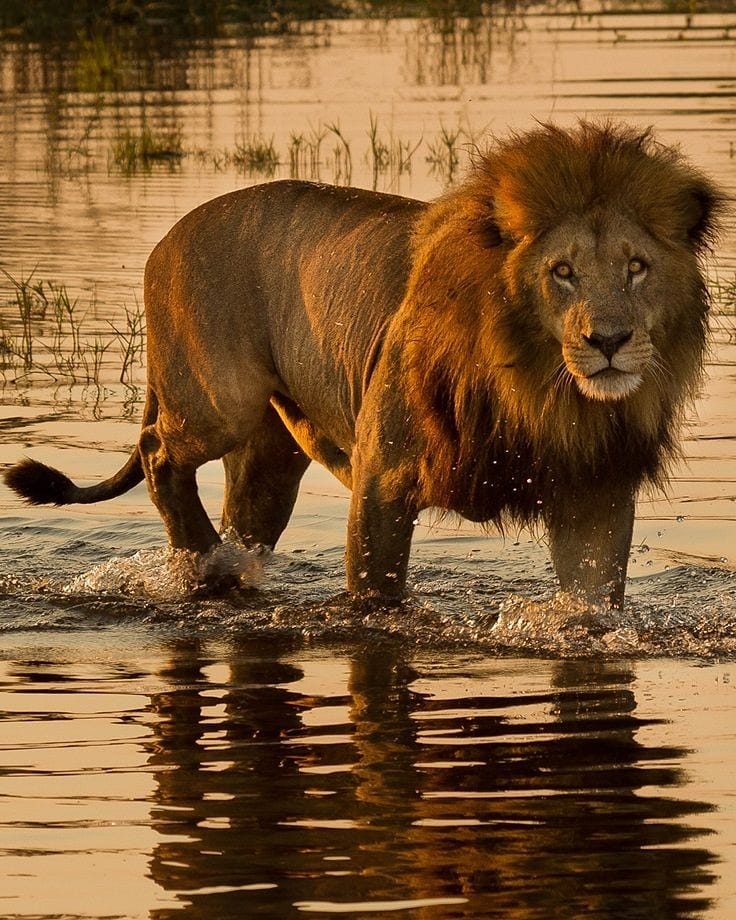
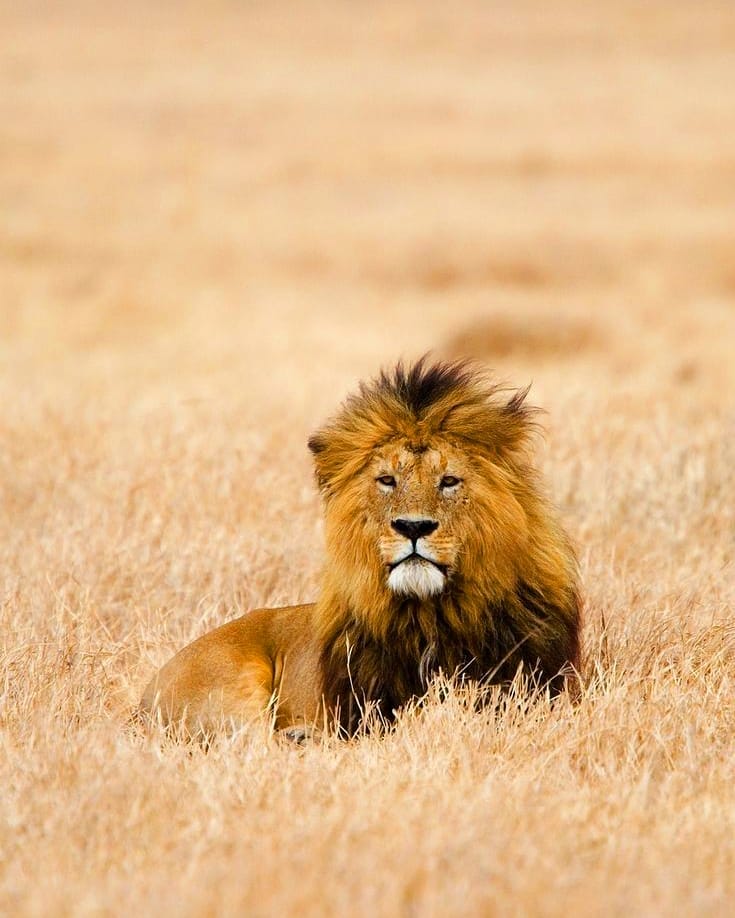
This is the classic safari experience focused on game drives and wildlife viewing. You will spend most of your time in national parks observing animals like lions, elephants, giraffes, zebras, cheetahs, and wildebeests.
Best destinations:
Serengeti National Park
Ngorongoro Crater
Tarangire National Park
1.2 Luxury Safari
Luxury safaris include high-end lodges, private guides, charter flights, and exclusive game drives. Perfect for honeymooners or travelers seeking comfort and privacy.
Features:
5-star lodges and tented camps
Private safari vehicle
Fly-in safaris
Gourmet dining
1.3 Budget Safari
Budget safaris use shared vehicles, group tours, and camping accommodations. This is ideal for backpackers and cost-conscious travelers.
Features:
Group departures
Public campsites
Shared safari jeep
Basic but safe accommodation
1.4 Private Safari
A private safari allows full customization of your itinerary and schedule. You travel with your own guide and vehicle.
Advantages:
Flexible schedule
Personalized experience
Ideal for families or photographers
1.5 Adventure + Cycling Safari
A growing trend in Tanzania is combining cycling tours with safari experiences around Arusha, Moshi, and rural villages.
Step 2: Choose the Best Time to Visit Tanzania
Timing is crucial for wildlife viewing and pricing.
2.1 Peak Season (June – October)
Best wildlife visibility
Great Migration in Serengeti
Dry season = easier game viewing
Higher prices and more tourists
2.2 Green Season (November – May)
Fewer tourists
Lower prices
Beautiful landscapes
Birdwatching paradise
2.3 Calving Season (January – March
Wildebeest calving in southern Serengeti
High predator activity
Step 3: Decide Your Safari Duration
The length of your safari affects cost, experience, and destinations covered.
3.1 2–3 Days Safari
Tarangire + Ngorongoro
Short and affordable
Ideal for quick trips
3.2 4–6 Days Safari
Serengeti + Ngorongoro + Tarangire
Most popular option
3.3 7–10 Days Safari
Full Northern Circuit
Includes multiple parks and migration routes
3.4 10+ Days Safari
Includes Southern parks or beach extension (Zanzibar)
Step 4: Choose Safari Destinations
4.1 Serengeti National Park
World-famous for the Great Migration and Big Five wildlife viewing.
4.2 Ngorongoro Crater
A UNESCO World Heritage Site with dense wildlife population inside a volcanic caldera.
4.3 Tarangire National Park
Known for large elephant herds and iconic baobab trees.
4.4 Lake Manyara
Famous for tree-climbing lions and flamingos.
4.5 Nyerere National Park (Selous)
Remote wilderness experience with boat safaris.
4.6 Ruaha National Park
Less crowded and ideal for raw, authentic safari experiences.
Step 5: Set Your Safari Budget
Safari pricing varies widely based on comfort level.
5.1 Budget Safari
$150 – $250 per day per person
Camping
Shared vehicle
5.2 Mid-Range Safari
$300 – $600 per day per person
Lodges or tented camps
Comfortable transport
5.3 Luxury Safari
$700 – $2000+ per day per person
Luxury lodges
Private flights
Step 6: Choose a Reliable Safari Operator
Selecting the right tour operator is one of the most important decisions.
What to look for:
Registered company in Tanzania
Positive online reviews
Transparent pricing
Experienced guides
Clear itinerary details
Red flags:
Extremely cheap prices
No physical office or contact details
No reviews or fake testimonials
Step 7: Compare Safari Packages
When reviewing safari packages, always compare:
Number of days
Park entry fees included or not
Accommodation type
Transport type
Guide qualifications
Meals included
Step 8: Book Flights to Tanzania
Main entry points:
Kilimanjaro International Airport (JRO)
Julius Nyerere International Airport (DAR)
Most safari circuits start from Arusha or Moshi.
Step 9: Prepare Travel Documents
You will need:
Valid passport (6 months validity)
Tanzania tourist visa
Travel insurance
Yellow fever certificate (if required)
Step 10: Pack for Your Safari
Essentials:
Neutral-colored clothing
Hat and sunglasses
Sunscreen
Binoculars
Camera
Comfortable shoes
Avoid:
Bright colors
Heavy luggage
Step 11: Understand Safari Rules and Etiquette
Do not feed animals
Stay inside the vehicle
Respect park regulations
Listen to your guide
Step 12: Confirm Your Booking
Before final confirmation:
Review itinerary
Check cancellation policy
Confirm payment terms
Ensure written confirmation
Step 13: Arrival and Airport Pickup
Most safari operators offer airport pickup services from:
Kilimanjaro International Airport
Arusha Airport
Step 14: Pre-Safari Briefing
A professional safari company will provide:
Daily itinerary briefing
Safety instructions
Wildlife expectations
Step 15: Enjoy Your Safari Experience
Once everything is booked and prepared, your focus shifts to enjoying Tanzania’s incredible wildlife, landscapes, and culture.
Expect:
Big Five sightings
Great Migration (seasonal)
Cultural visits to Maasai villages
Stunning landscapes
Bonus Tips for Booking a Safari in Tanzania
Book at least 3–6 months in advance
Travel during shoulder season for savings
Combine safari with Zanzibar beach extension
Choose longer itineraries for better value
Frequently Asked Questions (FAQ)
How far in advance should I book a safari?
Ideally 3–6 months before travel, especially for peak season.
Is Tanzania safe for safari travel?
Yes, Tanzania is considered one of Africa’s safest safari destinations.
Do I need a guide?
Yes, all safaris require licensed guides for national parks.
Can I customize my safari?
Yes, private safaris are fully customizable.
What is included in safari packages?
Usually transport, guide, park fees, accommodation, and meals.
Conclusion
Booking a Tanzania safari doesn’t have to be complicated. By following this step-by-step guide, you can confidently plan a trip that matches your budget, travel style, and expectations. Whether you choose a luxury lodge in the Serengeti or a budget camping adventure under the African stars, Tanzania offers one of the most unforgettable wildlife experiences in the world.
Start early, choose wisely, and work with a trusted operator to ensure your safari is safe, smooth, and truly memorable.