
Complete guide to climbing mountain Kilimanjaro 2026
Introduction to Kilimanjaro
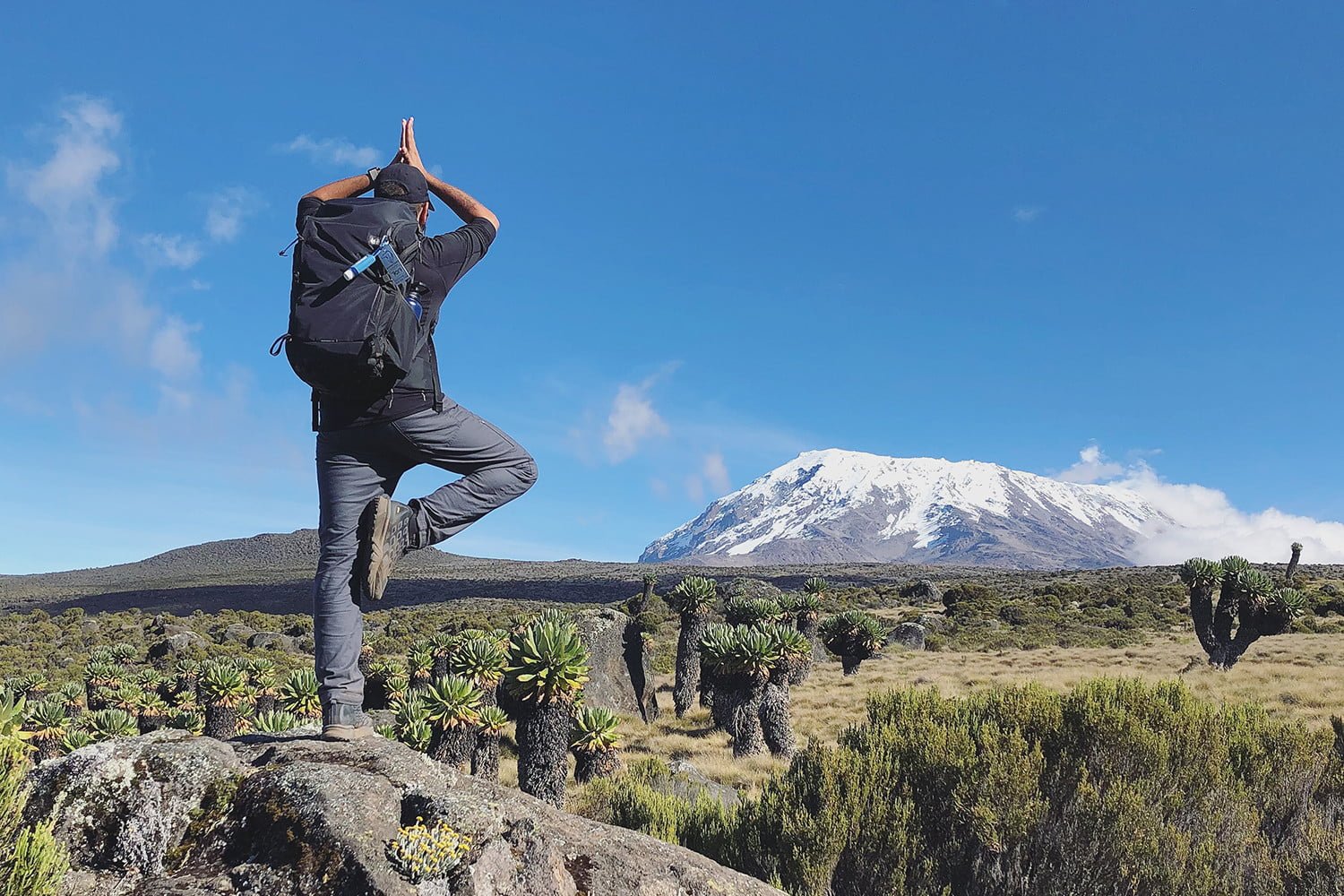
Rising majestically above the plains of northern Tanzania, Mount Kilimanjaro is Africa’s highest peak, standing tall at 5,895 meters (19,341 feet) above sea level. Unlike many mountains in the world, Kilimanjaro is a free-standing volcano, not part of a mountain range, making its sheer size and prominence a breathtaking sight for travelers and trekkers alike. Its snow-capped summit, known as Uhuru Peak, contrasts dramatically with the lush forests and savannahs at its base, offering a visual journey through six distinct ecological zones in just one climb.
Kilimanjaro isn’t just a natural wonder; it’s a symbol of adventure, endurance, and cultural richness. For centuries, it has captivated explorers, scientists, and travelers from around the world. Local Chagga communities have long revered the mountain, incorporating it into their folklore, spirituality, and traditions. Its unique landscapes range from tropical rainforests and alpine meadows to lunar-like moonscapes near the summit, making it a trekker’s paradise with a diverse experience of flora, fauna, and terrain.
Every year, thousands of adventurers attempt to conquer Kilimanjaro, drawn by the challenge of reaching the summit and the promise of witnessing sunrises above the clouds that few people on Earth ever experience. Unlike technical mountains that require advanced climbing skills, Kilimanjaro can be summited by individuals with good physical fitness and proper preparation, making it one of the most accessible high-altitude treks in the world.
As we move into 2026, Kilimanjaro continues to be a bucket-list destination for adventurers, photographers, and nature lovers alike. Whether you are a first-time trekker seeking an unforgettable experience or an experienced hiker looking for a new challenge, Kilimanjaro offers a journey unlike any other — a climb that tests your endurance, rewards your perseverance, and leaves you with memories that last a lifetime.
Kilimanjaro Facts and Stats
Mount Kilimanjaro is not only Africa’s tallest mountain but also one of the most fascinating peaks in the world, blending geographical significance, ecological diversity, and cultural importance. Here are the key facts and statistics every trekker should know:
- Height and Location
Height: 5,895 meters (19,341 feet) above sea level.
Location: Northern Tanzania, near the border with Kenya, within Kilimanjaro National Park.
Coordinates: Approximately 3°04′33″S latitude and 37°21′12″E longitude.
Prominence: Kilimanjaro is a free-standing volcanic mountain, meaning it rises dramatically from the surrounding plains without being part of a mountain range.
- Volcanic Structure
Kilimanjaro consists of three distinct volcanic cones:
Kibo – the highest cone, home to Uhuru Peak, the summit.
Mawenzi – rugged and jagged, slightly lower at 5,149 m (16,893 ft).
Shira – an ancient volcanic cone, now mostly eroded, forming the Shira Plateau.
Kibo is dormant, not extinct, meaning a future eruption is possible but unlikely in modern times.
- Climatic and Ecological Zones
Kilimanjaro is unique for its six climatic zones, which trekkers pass through on the ascent:
Cultivation Zone (900–1,800 m / 2,950–5,900 ft): Farmlands and villages.
Rainforest Zone (1,800–2,800 m / 5,900–9,200 ft): Dense forest, waterfalls, and wildlife.
Heather/Moorland Zone (2,800–4,000 m / 9,200–13,100 ft): Shrubs, heathers, and giant groundsels.
Alpine Desert Zone (4,000–5,000 m / 13,100–16,400 ft): Sparse vegetation, dry terrain.
Arctic/Glacial Zone (5,000–5,895 m / 16,400–19,341 ft): Ice fields, glaciers, extreme cold, and moon-like landscapes.
Summit (Uhuru Peak at 5,895 m / 19,341 ft): Snow and ice, often below freezing, with breathtaking panoramic views.
- Climbing Statistics
Success Rate: Approximately 50–60% for all climbers, depending on route, acclimatization, and fitness.
Popular Routes: Machame, Marangu, Lemosho, Rongai, Northern Circuit, and Umbwe.
Average Duration: 5–9 days, depending on the route and acclimatization schedule.
Trekking Difficulty: Non-technical, accessible to individuals with good fitness.
- Weather and Temperature
Base Temperatures: Around 25°C (77°F) in the day at lower altitudes.
Summit Temperatures: Can drop to -20°C (-4°F) at Uhuru Peak.
Weather Variability: Rapid changes are common; climbers may experience sunshine, rain, wind, and snow on the same day.
- Wildlife and Flora
Home to unique flora like giant lobelias, senecios, and alpine plants.
Wildlife includes blue monkeys, colobus monkeys, bushbucks, and elephants at lower elevations.
Birdwatchers may spot trogons, sunbirds, and eagles throughout the climb.
- Tourism and Cultural Significance
Annual Visitors: Around 35,000–50,000 climbers attempt Kilimanjaro each year.
Cultural Importance: The Mountain is sacred to the Chagga people, who live on its lower slopes and have a rich history of farming and storytelling linked to the mountain.
UNESCO Status: Kilimanjaro National Park is a UNESCO World Heritage Site, recognized for its natural beauty and biodiversity.
Kilimanjaro is not just a mountain — it’s a world-class trekking experience combining adventure, natural beauty, and cultural richness. Understanding these facts helps climbers prepare mentally and physically for the incredible journey ahead.
When to Climb Kilimanjaro – Best Seasons
Choosing the right time to climb Mount Kilimanjaro is one of the most important decisions for a successful and enjoyable trek. While Kilimanjaro can technically be climbed year-round, weather patterns, trail conditions, and altitude considerations mean that some months are better than others. Understanding the peak and off-peak seasons, as well as the pros and cons of each, can help trekkers plan a 2026 adventure that maximizes safety, comfort, and success.
- Peak Climbing Seasons
The two most popular periods for climbing Kilimanjaro are:
- January to March
Weather: Generally dry, with sunny days and cold nights.
Pros:
Excellent weather for trekking and photography.
Trails are less muddy than in the rainy season.
Popular for climbers aiming for a clear summit view.
Cons:
Slightly higher crowds compared to low season.
Airfare and tour packages may be more expensive.
- June to October
Weather: Cool and dry; these months coincide with Tanzania’s winter.
Pros:
Ideal for trekking: dry trails, fewer leeches, and minimal rain.
Clear skies offer breathtaking views of the summit and surrounding landscapes.
High success rates due to favorable weather.
Cons:
Peak tourist season, so some routes can be crowded.
Accommodation and tour prices are higher.
- Low Season (Rainy Months)
April to May (Long Rains) and November to mid-December (Short Rains)
Weather: Frequent rainfall, muddy and slippery trails.
Pros:
Fewer tourists, making trails quieter and more serene.
Lower tour costs and discounted packages.
Lush green scenery and blooming flora.
Cons:
Increased risk of slippery trails and more challenging conditions.
Higher likelihood of cloudy summit days, limiting views.
Some trekking services or accommodations may reduce operations.
- Seasonal Tips for Trekking
Altitude Considerations: Kilimanjaro’s altitude remains a challenge year-round. Choosing a season with stable weather reduces the risks of hypothermia and extreme winds.
Trail Selection: Some routes (like Rongai or Lemosho) are more sheltered and better during the rainy season. Machame and Umbwe routes can become slippery and harder to navigate.
Photography: Dry seasons (January–March, June–October) offer the clearest skies, perfect for sunrise summit photos and panoramic shots of Africa’s plains.
- 2026 Update for Climbers
The Tanzanian Tourism Board expects steady tourism growth in 2026, particularly in July–September and January–February, making early bookings essential.
Climate trends suggest slightly earlier rains in April and November, so trekkers in 2026 should monitor weather forecasts before finalizing dates.
Combining your climb with a safari or Zanzibar visit is most convenient during the dry season for smooth travel between destinations.
✅ Summary Recommendation
Best Overall: June–October for dry, cool, and safe conditions.
Best for Budget Travelers: April–May for fewer crowds and lower costs, but be prepared for wet trails.
Best for Clear Summit Views: January–March, with sunny days and minimal rain.
Kilimanjaro Routes – Detailed Comparison
Climbing Mount Kilimanjaro is a journey through diverse landscapes, from lush rainforests to stark alpine deserts. The choice of route significantly affects your experience, success rate, acclimatization, and scenery. Kilimanjaro offers six main trekking routes, each with unique features, difficulty levels, and appeal. Understanding these routes helps you choose the one that suits your fitness, schedule, and adventure goals in 2026.
- Marangu Route (“Coca-Cola Route”)
Duration: 5–6 days
Difficulty: Moderate
Accommodation: Huts (the only route with hut accommodation)
Highlights:
Gentle gradients, gradual ascent, good for first-time climbers.
Scenic rainforest, alpine meadows, and close-up views of glaciers near the summit.
Popular for its hut system, avoiding camping gear.
Pros:
Comfortable huts with beds.
Shorter trek option for time-limited travelers.
Cons:
More crowded than other routes.
Huts can feel less private and basic compared to camping.
Best For: Beginners, climbers seeking a less technical route, and those who prefer hut accommodation.
- Machame Route (“Whiskey Route”)
Duration: 6–7 days
Difficulty: Moderate to challenging
Accommodation: Camping
Highlights:
Known for stunning scenery, including rainforest, heather zones, and alpine desert.
High success rate due to good acclimatization profile.
Scenic ascent and varied terrain.
Pros:
Beautiful landscapes and less crowded than Marangu.
Flexible schedule for acclimatization.
Cons:
More physically demanding than Marangu.
Camping gear required.
Best For: Adventure seekers wanting a scenic, classic trekking experience.
- Lemosho Route
Duration: 7–9 days
Difficulty: Moderate to challenging
Accommodation: Camping
Highlights:
Starts on the western side, offering remote and less crowded trails.
Panoramic views of Shira Plateau, forests, and alpine zones.
High success rates due to long acclimatization period.
Pros:
Quiet, scenic, and ideal for photography.
Longer trek allows better altitude adaptation.
Cons:
Requires camping gear and longer travel to trailhead.
Best For: Photographers, nature lovers, and those aiming for a high summit success rate.
- Rongai Route
Duration: 6–7 days
Difficulty: Moderate
Accommodation: Camping
Highlights:
Approaches from the north side, drier and less crowded.
Unique landscapes not seen on southern routes.
High chance of sunny weather due to rain shadow effect.
Pros:
Good alternative during rainy seasons.
Fewer trekkers and peaceful trails.
Cons:
Less scenic variety than Machame or Lemosho.
Fewer facilities along the route.
Best For: Travelers seeking solitude and dry trekking conditions.
- Northern Circuit Route
Duration: 8–10 days
Difficulty: Moderate to challenging
Accommodation: Camping
Highlights:
Longest route, circumnavigates the mountain, offers 360° views.
Excellent for acclimatization and higher summit success.
Stunning and diverse scenery, including glaciers and valleys.
Pros:
Quiet, less crowded, and very scenic.
Gradual ascent maximizes altitude adaptation.
Cons:
Longer duration; requires full trek commitment.
More expensive due to extra days.
Best For: Experienced trekkers seeking adventure, high summit success, and panoramic views.
- Umbwe Route
Duration: 5–6 days
Difficulty: Very challenging
Accommodation: Camping
Highlights:
Steepest and most direct route to the summit.
Less crowded, adventurous, and physically demanding.
Pros:
Shorter route for fit, experienced trekkers.
Offers a rugged and remote climbing experience.
Cons:
Rapid ascent increases risk of altitude sickness.
Not recommended for beginners.
Best For: Experienced trekkers seeking a tough and remote route.
✅ Route Selection Tips for 2026
First-time climbers: Machame or Marangu for balance of challenge and success.
Photography and scenery: Lemosho or Northern Circuit.
Avoiding crowds: Rongai or Northern Circuit.
Experienced and adventurous climbers: Umbwe or longer Northern Circuit.
Best Summit Success: Longer treks (Lemosho, Northern Circuit, Machame) allow better acclimatization.
Choosing the right route is crucial for both enjoyment and summit success. Each route offers a unique combination of scenery, difficulty, and cultural exposure, so planning in advance ensures a rewarding Kilimanjaro experience in 2026.
Preparation and Training for Kilimanjaro
Climbing Mount Kilimanjaro is a life-changing adventure, but reaching the summit safely requires careful preparation, physical fitness, and mental readiness. While Kilimanjaro is considered a non-technical climb (no ropes or mountaineering experience required), it is still a high-altitude trek where proper preparation dramatically improves your chances of success.
- Physical Fitness Requirements
Climbing Kilimanjaro is more about endurance and stamina than technical climbing skills. Fitness preparation should focus on cardiovascular conditioning, leg strength, core stability, and overall stamina.
Recommended Training:
Cardiovascular Endurance:
Activities: Running, brisk walking, cycling, swimming, or stair climbing.
Frequency: 4–5 times per week.
Goal: Ability to sustain moderate exertion for 4–6 hours.
Leg Strength:
Exercises: Squats, lunges, step-ups, leg presses, calf raises.
Importance: Essential for long ascents, steep descents, and uneven terrain.
Core and Upper Body:
Exercises: Planks, sit-ups, push-ups, shoulder presses.
Importance: Stability when carrying a daypack and using trekking poles.
Endurance Hikes:
Practice with weighted backpacks (5–10 kg) on hills or trails.
Hike 2–3 times per week, gradually increasing duration and elevation.
Fitness Level Target: By trek time, you should be comfortable hiking 5–8 hours per day on moderate slopes with a light pack.
- Acclimatization to Altitude
Altitude sickness is the leading reason climbers fail on Kilimanjaro. Even physically fit trekkers can be affected, as the mountain’s highest point reaches 5,895 meters (19,341 feet).
Tips for Safe Acclimatization:
Choose a Longer Route: Lemosho, Northern Circuit, and Machame offer better acclimatization with gradual altitude gain.
Follow “Climb High, Sleep Low”: If possible, ascend during the day to higher camps but sleep at lower elevations.
Hydration: Drink 3–4 liters of water daily to aid adaptation.
Balanced Diet: Include carbohydrates for energy and avoid alcohol during the trek.
Listen to Your Body: Symptoms like headache, nausea, or dizziness are warning signs. Descend if severe.
- Mental Preparation
Climbing Kilimanjaro is as much a mental challenge as a physical one. Preparing psychologically helps you endure fatigue, long days, and extreme weather.
Mental Preparation Tips:
Set Realistic Expectations: Understand the mountain’s challenges, including cold, wind, and long ascents.
Positive Mindset: Visualize success and focus on incremental milestones (day-by-day progress).
Mindfulness and Patience: Walking slowly and steadily helps preserve energy and improve acclimatization.
Group Support: Trekking with a supportive group or experienced guides enhances morale.
- Technical Skills and Trekking Practices
While Kilimanjaro doesn’t require technical climbing skills, some basic trekking techniques improve safety and efficiency:
Use of Trekking Poles: Reduces knee strain on descents and assists balance on uneven terrain.
Proper Walking Pace: Slow, steady steps (“pole-planting rhythm”) minimize fatigue.
Packing and Backpack Management: Carry only essentials, balance weight, and keep frequently used items accessible.
Layering and Clothing Skills: Learn how to adjust layers according to temperature changes, wind, and rain.
- Pre-Trek Health Considerations
Medical Check-Up: Recommended for anyone with heart, lung, or chronic conditions.
Vaccinations: Yellow fever, tetanus, hepatitis A & B, typhoid, as recommended for Tanzania travel.
Medication: Bring altitude medication (like acetazolamide/ Diamox) if prescribed, painkillers, and first-aid essentials.
Insurance: Ensure comprehensive travel and evacuation insurance that covers high-altitude trekking.
- Training Timeline (Suggested 3–6 Months Before Trek)
Month
Focus
Sample Activities
3–6 months before
Base fitness
Cardiovascular training 3–4x/week, strength training 2x/week, hikes on local trails
2–3 months before
Endurance
Longer hikes 3–4 hours, hill training, pack walking, stair climbing
1 month before
Altitude simulation
Hikes with higher elevation if possible, incremental long walks, weight training
1–2 weeks before
Taper & preparation
Reduce intensity, focus on stretching, check gear, finalize logistics
- Gear Familiarization and Test Hikes
Backpack Trials: Carry your loaded backpack during training hikes to build stamina.
Boot Break-In: Prevent blisters by wearing hiking boots during practice hikes.
Layering Practice: Get used to adjusting clothing for temperature swings from warm forests to icy summits.
✅ Summary for Kilimanjaro Training
Proper preparation ensures a higher summit success rate and a safer, more enjoyable trek. Focus on:
- Building cardio and leg strength
- Gradual acclimatization to altitude
- Mental resilience and pacing strategies
- Familiarity with gear, trekking techniques, and weather conditions
Even first-time trekkers who train diligently and pace themselves have an excellent chance of reaching Uhuru Peak, making Kilimanjaro a truly rewarding adventure.
Health and Safety on Kilimanjaro
Climbing Mount Kilimanjaro is an incredible adventure, but it also poses significant health and safety challenges, primarily due to the high altitude, unpredictable weather, and rugged terrain. Proper preparation, awareness, and adherence to safety guidelines are crucial to ensure a successful and safe trek in 2026.
- Altitude Sickness (Acute Mountain Sickness – AMS)
Altitude sickness is the most common health concern on Kilimanjaro, affecting climbers regardless of age or fitness. It occurs when the body struggles to adapt to reduced oxygen levels at high elevations.
Symptoms of AMS:
Mild: Headache, nausea, dizziness, fatigue, shortness of breath, loss of appetite.
Severe (Life-threatening): Confusion, persistent vomiting, inability to walk, fluid in the lungs (pulmonary edema), fluid in the brain (cerebral edema).
Prevention:
Gradual Acclimatization: Choose longer routes like Lemosho, Northern Circuit, or Machame to give your body time to adapt.
Hydration: Drink at least 3–4 liters of water daily.
Pace Yourself: Avoid rushing; a slow and steady pace reduces the risk of AMS.
Medication (if recommended by a doctor):
Acetazolamide (Diamox): Helps the body acclimatize faster.
Carry painkillers, anti-nausea medication, and altitude tablets if prescribed.
Listen to Your Body: If symptoms worsen, descend immediately. Altitude sickness can be fatal if ignored.
- Weather-Related Risks
Kilimanjaro experiences extreme weather changes due to its high elevation:
Cold and Frostbite: Summit temperatures can drop below -20°C (-4°F). Wear layered clothing, gloves, and hats to prevent frostbite.
Sun Exposure: UV rays are stronger at higher altitudes. Use sunscreen, sunglasses, and a hat.
Rain and Wet Trails: Slippery conditions can increase the risk of falls. Waterproof boots, gaiters, and trekking poles help maintain stability.
Wind: Summit winds can be strong; wear windproof layers and protect exposed skin.
- Injuries and Common Trekking Issues
Blisters and Foot Pain: Break-in boots before the trek, wear moisture-wicking socks, and carry blister kits.
Muscle Strains: Warm up before hiking, stretch after each day, and pace yourself.
Dehydration: Drink water regularly; altitude and exertion increase fluid loss.
Digestive Issues: Carry snacks, avoid contaminated food, and ensure proper hygiene.
- Vaccinations and Health Precautions
Before traveling to Tanzania, check with a healthcare provider for recommended vaccinations:
Mandatory/Recommended Vaccines:
Yellow fever (required if arriving from a country with risk)
Hepatitis A & B
Typhoid
Tetanus
Polio boosters
Malaria Prevention: Northern Tanzania has low malaria risk in higher altitudes but use insect repellent, nets, and antimalarial medication if advised.
- Travel and Medical Insurance
Comprehensive Insurance: Essential for covering trekking-related accidents, evacuation, hospitalization, and trip cancellations.
Evacuation Coverage: Ensure your policy covers high-altitude trekking and helicopter evacuation if necessary.
Medical Facilities: Limited on the mountain; most serious emergencies require evacuation to Moshi or Arusha hospitals.
- Guides, Porters, and Safety Protocols
Kilimanjaro National Park regulations require all climbers to hire licensed guides and porters, ensuring:
Knowledge of the routes and emergency procedures.
Assistance in case of altitude sickness or injury.
Local support to carry gear and supplies safely.
Safety Tips:
Follow your guide’s instructions at all times.
Avoid hiking alone; stay with the group.
Report any symptoms of AMS or injury immediately.
- Emergency Preparedness
First Aid Kit: Include bandages, antiseptic, painkillers, blister care, altitude medication, and personal prescriptions.
Communication: Some operators provide satellite phones or radios for emergencies.
Descend Early if Necessary: The only guaranteed treatment for severe AMS is descent to lower altitudes.
✅ Summary – Health and Safety Recommendations
Prioritize gradual acclimatization to reduce altitude sickness risks.
Stay hydrated and pace yourself during hikes.
Dress in layers and prepare for extreme weather.
Use licensed guides and porters for safety and support.
Carry appropriate medication, first aid, and insurance.
Monitor symptoms and descend immediately if severe illness or injury occurs.
By following these guidelines, climbers in 2026 can maximize summit success while staying safe, ensuring Kilimanjaro remains a thrilling yet secure adventure.
Gear and Packing List for Kilimanjaro
Proper gear is essential for a safe, comfortable, and successful climb of Mount Kilimanjaro. The mountain’s extreme altitude, variable weather, and rugged terrain demand careful selection of clothing, equipment, and personal items. Packing smart not only protects you from the elements but also makes your trek more enjoyable.
- Clothing – Layering System
Clothing for Kilimanjaro should follow a layering principle: base layer (moisture-wicking), mid layer (insulation), and outer layer (wind/rain protection).
- Base Layer (Moisture-Wicking)
Lightweight thermal tops and bottoms to keep sweat off the skin.
Materials: merino wool or synthetic fabrics.
Avoid cotton—it retains moisture and increases cold risk.
- Mid Layer (Insulation)
Fleece jackets, down vests, or synthetic insulated jackets.
Provides warmth during cold mornings, evenings, and summit night.
- Outer Layer (Protection)
Waterproof and windproof jacket and pants (Gore-Tex or equivalent).
Must be lightweight, breathable, and packable.
Essential for rain, snow, and strong summit winds.
- Additional Clothing
Warm hat and balaclava for summit night.
Gloves: liner gloves + insulated waterproof gloves.
Trekking socks: multiple pairs of moisture-wicking wool or synthetic socks.
Gaiters to keep mud, water, and scree out of boots.
Comfortable hiking shorts or pants for lower elevation zones.
- Footwear
Hiking Boots: Waterproof, broken-in, ankle support, durable soles.
Trekking Shoes or Trainers: Optional for lower elevation hikes around Moshi or base walks.
Sandals/Flip-Flops: For relaxing in camps or lodges post-hike.
Tip: Properly broken-in boots are critical to prevent blisters and foot pain.
- Backpacks
Daypack (25–35L): For summit night essentials—water, snacks, camera, extra layers, headlamp.
Main Backpack (Porters carry most gear): Usually not needed for personal load on routes like Machame or Lemosho.
Tip: Waterproof liner or dry bags to protect gear from rain.
- Sleeping Gear
Sleeping Bag: Rated to -15°C to -20°C (5°F to -4°F) for summit night.
Sleeping Pad: Insulated pad for camping routes to prevent cold from the ground.
Tip: Most operators provide mats, but check in advance.
- Trekking Poles
Adjustable trekking poles reduce strain on knees during descents.
Assist balance on uneven or slippery terrain.
Lightweight carbon or aluminum recommended.
- Hydration and Nutrition
Water Bottles / Hydration Bladder: 2–3 liters capacity.
Water Purification: Tablets or filters if water sources are uncertain.
Snacks: Energy bars, nuts, dried fruits, chocolate for summit night energy.
Electrolytes: Replenish salts lost through sweat.
- Head and Eye Protection
Sunglasses: UV protection essential due to snow glare and high altitude sun.
Sun Hat / Cap: Wide-brimmed for lower elevation zones.
Headlamp with Extra Batteries: Required for summit night and early morning starts.
- Personal Items
First Aid Kit: Include bandages, blister care, antiseptic, painkillers, altitude medication (if prescribed).
Lip Balm and Sunscreen: High SPF (50+) for sun protection.
Camera / Phone: Bring extra batteries or power banks; cold drains batteries faster.
Toiletries: Biodegradable soap, hand sanitizer, wet wipes, toothbrush, toothpaste.
Travel Documents: Passport, visa, travel insurance, permits, and emergency contact info.
- Optional / Recommended Extras
Camera Drone: If allowed; check park regulations.
Notebook / Journal: To record the trek experience.
Thermal Flask: For hot drinks during cold summit nights.
Compression Bags / Dry Sacks: For organizing and waterproofing gear.
- Packing Tips
Layer Clothing: Pack by layers, not by zones.
Weight Management: Keep your personal pack under 10–12 kg; porters carry the rest.
Accessibility: Keep summit essentials (water, snacks, gloves, headlamp) easily reachable.
Weather Preparedness: Be ready for rapid temperature changes and rain, especially above 3,000 meters.
✅ Summary – Gear Checklist for Kilimanjaro
Clothing: Base layers, mid layers, waterproof outer layers, gloves, hat, socks, gaiters.
Footwear: Broken-in hiking boots, trekking shoes, sandals.
Gear: Daypack, trekking poles, sleeping bag, pad, headlamp.
Hydration & Nutrition: Water bottles, purification, energy snacks, electrolytes.
Protection: Sunglasses, sunscreen, lip balm.
Personal & Safety: First aid kit, toiletries, travel documents, power banks.
Optional: Camera, notebook, thermal flask, dry sacks.
Having the right gear is crucial for safety, comfort, and summit success. Preparation in advance ensures that climbers are ready for Kilimanjaro’s unique challenges—from tropical forests to icy alpine peaks.
Guides and Porters on Kilimanjaro
Climbing Mount Kilimanjaro is a challenging adventure, but having the right support can make the experience safer, more enjoyable, and more successful. Kilimanjaro treks are not solo climbs—the Tanzanian government requires all climbers to hire licensed guides, and most trekkers also rely on porters and cooks. Understanding their roles, responsibilities, and how to work with them is crucial for a smooth 2026 climb.
- Why Guides and Porters Are Required
The Kilimanjaro National Park Authority (KINAPA) mandates that every climber hire a licensed guide for safety reasons. The guides are trained to:
Navigate the trails safely.
Monitor climbers for altitude sickness and health issues.
Communicate with park rangers and emergency services.
Manage camping logistics, such as tents, food, and water.
Porters assist with carrying gear, setting up camps, and providing general support, while cooks ensure meals are prepared for trekkers during multi-day climbs.
- Roles and Responsibilities
- Guides
Lead and pace the trek, adjusting speed based on climbers’ fitness and altitude adaptation.
Teach proper trekking techniques and safety practices.
Monitor health, including signs of Acute Mountain Sickness (AMS).
Liaise with porters and cooks to coordinate logistics.
Serve as the primary point of communication in emergencies.
- Porters
Carry camping gear, tents, food, and communal equipment.
Assist climbers by carrying extra personal items if needed.
Set up and break down camps each day.
Provide moral support, encouragement, and local knowledge.
- Cooks
Prepare breakfast, lunch, and dinner.
Ensure food is nutritious and sufficient for energy at high altitude.
Maintain hygiene standards for water and food storage.
- Safety and Support Advantages
Health Monitoring: Guides are trained to detect early signs of altitude sickness and other health issues.
Emergency Response: In the event of injury or illness, guides coordinate descent and evacuation.
Trail Navigation: Kilimanjaro has multiple routes and complex paths; guides prevent getting lost.
Logistics Management: Porters and cooks manage camp setup, water supply, and food, letting climbers conserve energy for the trek.
- Hiring Guides and Porters
Most reputable tour operators include licensed guides, porters, and cooks in the package price. However, climbers should ensure:
Guides are officially registered with Kilimanjaro National Park.
Porters are provided with sufficient food, clothing, and insurance.
Tours comply with ethical and safety standards.
Important: Never hire independent porters outside a licensed operator—they may be underpaid, uninsured, or unsafe.
- Tipping Guidelines
Tipping is customary and appreciated for guides, porters, and cooks. For 2026, standard tipping recommendations per climber are:
Staff
Suggested Tip (USD)
Guide
$20–$25 per day
Assistant Guide
$15–$20 per day
Porter
$8–$12 per day
Cook
$10–$15 per day
Tips for Tipping:
Tip at the end of the trek.
Consider giving a small gift or extra tip for exceptional service.
Distribute fairly among team members.
- Ethical and Safety Considerations
Support Local Communities: Kilimanjaro trekking is a major source of income for local Chagga people and mountain staff. Treat porters and guides respectfully.
Weight Limits for Porters: Porters should not carry more than 15 kg (33 lbs); excessive loads are illegal and unsafe.
Insurance and Health Care: Ensure guides and porters are covered by insurance through your operator.
- Tips for a Positive Trekking Experience
Build rapport with your guide and porters—they can provide invaluable local knowledge and motivation.
Communicate openly about your pace, health concerns, or special needs.
Pack efficiently and label personal items for easier handling by porters.
Respect the guides’ expertise—they know the mountain best.
✅ Summary – Guides and Porters
Hiring licensed guides is mandatory for safety.
Porters and cooks ensure logistics, comfort, and nutrition.
Tipping is customary and should reflect effort and professionalism.
Ethical trekking ensures safety, fairness, and community support.
Good communication and respect improve the overall climbing experience and summit success.
Climbers who understand and value the role of guides and porters enjoy a safer, more comfortable, and culturally rich Kilimanjaro adventure, making 2026 treks truly unforgettable.
Daily Itinerary for Kilimanjaro Routes
Planning your day-by-day itinerary is key to a successful Kilimanjaro climb. Different routes offer varying durations, scenery, and acclimatization profiles. Here’s a detailed breakdown for 2026 climbers of the most popular trekking routes: Machame, Lemosho, Marangu, Rongai, Northern Circuit, and Umbwe.
- Machame Route – “Whiskey Route” (6–7 Days)
Overview: Known for its scenic variety, moderate difficulty, and high success rate. Ideal for first-time climbers who want a mix of forests, moorlands, and alpine desert.
Day
Altitude
Highlights
Notes
Day 1: Arrival & Trek to Machame Gate – Machame Camp
1,800 m / 5,900 ft
Brief orientation, rainforests, trailhead check
Light hike, acclimatization begins
Day 2: Machame Camp → Shira Camp
3,840 m / 12,598 ft
Rainforest to heath and moorland transition, panoramic views
5–7 hrs, steady pace recommended
Day 3: Shira Camp → Barranco Camp
3,950 m / 12,960 ft
Shira Plateau, expansive plains, distant views of Kibo
Moderate hike, trail narrows in sections
Day 4: Barranco Camp → Karanga Camp
4,035 m / 13,235 ft
Barranco Wall climb (handholds required), alpine desert views
Shorter day, essential for acclimatization
Day 5: Karanga Camp → Barafu Camp
4,600 m / 15,092 ft
Final push to base of summit, stark desert landscape
Rest and early dinner, prepare for summit night
Day 6: Barafu Camp → Uhuru Peak → Mweka Camp
5,895 m / 19,341 ft → 3,100 m / 10,170 ft
Midnight ascent, sunrise at Uhuru Peak, long descent
Summit night is challenging, proper pacing crucial
Day 7: Mweka Camp → Mweka Gate
1,640 m / 5,380 ft
Hike through rainforest, certificate at gate
Trek concludes, transport to hotel
- Lemosho Route (7–9 Days)
Overview: Best for scenic photography, less crowded trails, and high summit success. Longest acclimatization route.
Day
Altitude
Highlights
Notes
Day 1: Londorossi Gate → Big Tree Camp
2,100 m / 6,890 ft
Dense rainforest, wildlife sightings
Gentle start for acclimatization
Day 2: Big Tree Camp → Shira 1 Camp
3,050 m / 10,007 ft
Shira Plateau, panoramic western views
Moderate hike, steady pace
Day 3: Shira 1 → Shira 2 Camp
3,850 m / 12,630 ft
Lush moorlands, giant groundsels
Longer hiking day, scenic photography
Day 4: Shira 2 → Barranco Camp
3,950 m / 12,960 ft
Views of Kibo and Mawenzi, Barranco Wall approach
Acclimatization continues
Day 5: Barranco → Karanga Camp
4,035 m / 13,235 ft
Barranco Wall climb, alpine desert
Shorter hike, conserve energy
Day 6: Karanga → Barafu Camp
4,600 m / 15,092 ft
Final camp before summit, dry, exposed terrain
Rest, early dinner, hydrate
Day 7: Barafu → Uhuru Peak → Mweka Camp
5,895 m / 19,341 ft → 3,100 m / 10,170 ft
Midnight summit push, sunrise, descent
Challenging but rewarding day
Day 8: Mweka Camp → Mweka Gate
1,640 m / 5,380 ft
Forest descent, certificate collection
Trek complete
Optional Day 9: Extra acclimatization / sightseeing
Explore Arusha or Moshi
Useful for extra acclimatization
- Marangu Route – “Coca-Cola Route” (5–6 Days)
Overview: Only route with hut accommodation; less scenic but gentler, suitable for those who prefer beds over camping.
Day
Altitude
Highlights
Notes
Day 1: Marangu Gate → Mandara Hut
2,700 m / 8,860 ft
Rainforest, waterfalls, first camp
Gentle start
Day 2: Mandara Hut → Horombo Hut
3,720 m / 12,204 ft
Heath and moorland, panoramic views
Longer day, moderate pace
Day 3: Horombo → Kibo Hut
4,700 m / 15,420 ft
Alpine desert, approach to summit
Rest early for summit push
Day 4: Kibo Hut → Uhuru Peak → Horombo Hut
5,895 m / 19,341 ft → 3,720 m / 12,204 ft
Midnight summit, sunrise, descent
Long, demanding day
Day 5: Horombo Hut → Marangu Gate
1,640 m / 5,380 ft
Forest descent, certificates
Trek concludes
Optional Day 6: Extra acclimatization
Rest or local sightseeing
Useful for slower climbers
- Rongai Route (6–7 Days)
Overview: Approaches from the drier north side; less crowded and good for rainy season.
Day
Altitude
Highlights
Notes
Day 1: Rongai Gate → Simba Camp
2,600 m / 8,530 ft
Northern savannah, gentle start
Light hike, acclimatization begins
Day 2: Simba → Second Cave Camp
3,400 m / 11,155 ft
Scenic plateau, wildlife sightings
Moderate day, steady pace
Day 3: Second Cave → Kibo Hut
4,700 m / 15,420 ft
Alpine desert, approach to summit
Prepare for summit night
Day 4: Kibo → Uhuru Peak → Millenium Camp
5,895 m / 19,341 ft → 3,000 m / 9,840 ft
Summit night, sunrise, descent
Longest day; pacing is essential
Day 5: Millenium → Mweka Gate
1,640 m / 5,380 ft
Forest descent, certificates
Trek concludes
- Northern Circuit Route (8–10 Days)
Overview: Longest route, best acclimatization, 360° views, quiet trails. Perfect for serious trekkers seeking high success rate.
Day
Altitude
Highlights
Notes
Day 1: Londorossi Gate → Big Tree Camp
2,100 m / 6,890 ft
Dense rainforest
Gentle start
Day 2: Big Tree → Shira 1 Camp
3,050 m / 10,007 ft
Shira Plateau
Scenic photography
Day 3: Shira 1 → Shira 2 Camp
3,850 m / 12,630 ft
Moorland
Acclimatization day
Day 4: Shira 2 → Moir Hut
4,200 m / 13,780 ft
Remote alpine desert
Moderate hike
Day 5: Moir → Lava Tower → Barranco Camp
4,600 m / 15,092 ft
Lava Tower, Barranco Wall
Gradual altitude gain
Day 6: Barranco → Karanga → Barafu Camp
4,600 m / 15,092 ft
Alpine desert
Rest before summit
Day 7: Barafu → Uhuru Peak → Mweka Camp
5,895 m / 19,341 ft → 3,100 m / 10,170 ft
Midnight summit push
Summit night challenge
Day 8: Mweka → Mweka Gate
1,640 m / 5,380 ft
Forest descent, certificates
Trek concludes
Optional Days 9–10
Extra acclimatization or sightseeing
Recommended for first-time climbers
- Umbwe Route (5–6 Days)
Overview: Steepest and most challenging route, suitable for experienced trekkers. Less crowded, direct path to summit.
Day
Altitude
Highlights
Notes
Day 1: Umbwe Gate → Umbwe Cave Camp
2,900 m / 9,514 ft
Rainforest, steep climb
Short but steep
Day 2: Umbwe Cave → Barranco Camp
3,950 m / 12,960 ft
Barranco Wall, alpine desert
Challenging terrain
Day 3: Barranco → Karanga → Barafu Camp
4,600 m / 15,092 ft
Exposed alpine desert
Shorter day, acclimatization
Day 4: Barafu → Uhuru Peak → Mweka Camp
5,895 m / 19,341 ft → 3,100 m / 10,170 ft
Summit night
Very demanding day
Day 5: Mweka → Mweka Gate
1,640 m / 5,380 ft
Forest descent
Trek concludes
✅ Tips for Daily Itineraries
Acclimatization is Key: Longer itineraries (Lemosho, Northern Circuit) increase summit success.
Pacing: Take 30–60 min breaks every 1–2 hours.
Hydration & Nutrition: Drink water frequently, eat high-energy snacks daily.
Summit Night: Start between 11 pm – 1 am; carry headlamp, extra layers, snacks, and water.
Photography: Best light for photos is early morning and around the Shira Plateau or Barranco Wall.
This detailed day-by-day guide ensures climbers in 2026 can plan effectively, pace themselves safely, and maximize summit success while enjoying Kilimanjaro’s incredible landscapes.
Summit Strategies and Tips for Kilimanjaro
Reaching Uhuru Peak is the ultimate goal of any Kilimanjaro trek. While the climb is non-technical, the summit night is the most physically and mentally demanding part of the trek. Success requires careful planning, pacing, nutrition, and mental resilience. The following strategies are designed to help climbers in 2026 maximize their chances of reaching the summit safely.
- Timing and Night Ascent
Start Time: Most climbers begin the summit push between 11:00 PM and 1:00 AM from Barafu Camp or equivalent final camp.
Why at Night:
Avoid strong afternoon winds and weather changes.
Arrive at Uhuru Peak at sunrise, providing spectacular views and optimal photography.
Colder temperatures reduce dehydration compared to daytime ascent.
Duration: Expect 6–8 hours for the ascent and 3–5 hours for the descent to Mweka or Millenium Camp.
- Pacing and Energy Management
“Pole-Pole” Method: Swahili for “slowly, slowly.” Maintaining a steady, slow pace conserves energy and improves oxygen adaptation at high altitudes.
Rest Breaks: Short 5–10 minute stops every 30–60 minutes help regulate breathing and heart rate.
Listen to Your Body: Symptoms like persistent dizziness, nausea, or severe headache indicate altitude sickness; if severe, descend immediately.
- Clothing and Layering for Summit Night
Base Layer: Thermal top and bottoms for moisture management.
Mid Layer: Fleece or synthetic insulated jacket for warmth.
Outer Layer: Waterproof, windproof jacket and pants to protect against snow, wind, and cold.
Accessories: Warm hat, balaclava, neck gaiter, insulated gloves, and high-quality trekking socks.
Footwear: Broken-in waterproof boots with good traction; consider gaiters for snow or scree.
Tip: Layers should be adjustable, removing or adding based on exertion and temperature.
- Nutrition and Hydration
Hydration: Drink 250–500 ml every 30–60 minutes during the ascent. Use insulated bottles to prevent freezing.
Snacks: Energy gels, chocolate, nuts, and dried fruits provide quick calories.
Electrolytes: Salt tablets or drinks help prevent dehydration and muscle cramps.
Avoid Heavy Meals: Large meals can cause nausea and fatigue at high altitude.
- Mental Strategies for Summit Success
Break the Goal Into Sections: Focus on reaching small landmarks or checkpoints instead of the entire summit.
Positive Visualization: Imagine reaching the summit and taking in sunrise views.
Motivation Through Group Support: Encourage and stay with fellow trekkers; guides provide morale boosts and pacing guidance.
Mindful Breathing: Slow, deep breaths maintain oxygen intake and calm the mind.
- Weather Considerations
Rapid Changes: Temperatures can drop to -20°C (-4°F), with strong winds and occasional snow.
Visibility: Clouds may obscure the summit, but guides help navigate even in low visibility.
Prepare for Sun Exposure: Once the sun rises, apply high SPF sunscreen to prevent sunburn, particularly on snow-reflective surfaces.
- Descent Strategy
Post-Summit Recovery: Take a short rest at Stella Point or Uhuru Peak before descending.
Pacing: Descend slowly and carefully, especially on scree or steep trails, to prevent knee injuries.
Hydration and Snacks: Continue drinking water and consuming light snacks.
Celebrate Milestones: Recognize small accomplishments to maintain morale during the long descent.
- Common Mistakes to Avoid
Starting too fast at Barafu Camp—risking early exhaustion.
Ignoring AMS symptoms and continuing upward.
Overdressing or underdressing for summit night.
Skipping hydration or nutrition breaks.
Attempting summit without adequate acclimatization or preparation.
- Tips for Maximum Summit Success in 2026
Choose a Route with Longer Acclimatization: Lemosho, Machame, or Northern Circuit provide the best summit success rates.
Prioritize Sleep and Rest: Even short naps at high camps improve energy reserves for summit night.
Pack Summit Essentials in Daypack: Water, snacks, extra gloves, headlamp, and camera.
Communicate with Your Guide: Follow instructions and report any signs of fatigue or altitude sickness.
Mental Preparation: Accept discomfort as part of the experience and maintain focus on the goal.
✅ Summary – Summit Strategies
Start late at night to reach sunrise at Uhuru Peak.
Pace yourself using “Pole-Pole” technique for energy conservation and altitude adaptation.
Dress in adjustable layers and prepare for extreme cold, wind, and sun.
Hydrate and snack consistently to maintain energy levels.
Use mental techniques: visualization, milestone focus, and group support.
Descend carefully after the summit to reduce risk of injury.
Listen to your body and guides—safety comes first.
By combining physical preparation, proper gear, nutrition, pacing, and mental focus, climbers in 2026 can maximize their chances of summiting Kilimanjaro safely and enjoying the unforgettable reward of standing on Africa’s highest peak.
Tips for Photography, Wildlife, and Scenery on Kilimanjaro
Climbing Mount Kilimanjaro is not just about reaching the summit; it’s an opportunity to capture breathtaking landscapes, unique wildlife, and unforgettable moments along the way. From lush rainforests to alpine deserts and glaciers, Kilimanjaro offers dramatic scenery for photographers and nature enthusiasts alike. Proper preparation, timing, and technique will ensure you return home with stunning memories.
- Best Times of Day for Photography
Early Morning:
Soft golden light enhances textures and colors of the rainforest and moorlands.
Fewer trekkers on the trails make for clean shots.
Mist and clouds in the lower forests create dramatic atmospheric photos.
Midday:
Strong sunlight can wash out colors, but panoramic shots of Kibo and Mawenzi peaks are excellent if you use filters.
Wildlife is more active in lower zones (forests and moorlands).
Sunset:
Warm tones illuminate alpine deserts and the Shira Plateau.
Ideal for silhouette shots against mountains.
Summit Sunrise:
Uhuru Peak at sunrise is the ultimate photo opportunity.
Capture the first sunlight on glaciers, peaks, and volcanic ridges.
Expect crowds, so plan framing carefully.
- Photography Gear Recommendations
Camera Options:
DSLR or mirrorless cameras for high-quality images.
Smartphones with wide-angle lens capability work for casual photography.
Lenses:
Wide-angle lens for landscapes and scenic panoramas.
Telephoto lens for wildlife and distant peaks.
Accessories:
Tripod for sunrise, sunset, and low-light photography.
Extra batteries and power banks—cold temperatures drain batteries quickly.
Memory cards with ample storage.
Lens cloth for moisture and dust cleaning.
- Photography Techniques
Layering and Composition:
Include foreground elements like flowers, rocks, or trekking companions for depth.
Rule of Thirds:
Align peaks, trails, or wildlife along thirds for balanced composition.
Lighting:
Golden hour (sunrise/sunset) creates warm, dynamic light.
Avoid harsh midday light by using shadows and filters.
Movement Shots:
Capture walking trekkers or flowing streams for dynamic imagery.
Drone Photography:
Check park regulations; drones may be restricted but provide incredible aerial perspectives where allowed.
- Wildlife and Flora Photography
Rainforest Zone (1,800–2,800 m / 5,900–9,200 ft):
Monkeys (blue monkeys, colobus monkeys), birds, and butterflies.
Flowers like lobelias and giant groundsels.
Heath and Moorland Zone (2,800–4,000 m / 9,200–13,100 ft):
Unique alpine plants, giant lobelias, and small rodents.
Birds: hornbills, sunbirds, and forest fowl.
Alpine Desert Zone (4,000–5,000 m / 13,100–16,400 ft):
Sparse vegetation, volcanic rocks, and panoramic mountain vistas.
Summit Zone (5,000–5,895 m / 16,400–19,341 ft):
Glaciers, snowfields, and crater landscapes.
Tips: Use zoom lenses to photograph wildlife without disturbing them. Be patient and respect animal space.
- Scenic Highlights on Kilimanjaro
Shira Plateau (Lemosho & Machame Routes): Expansive views, perfect for panoramic shots.
Barranco Wall: Dramatic vertical cliffs and sunrise/sunset opportunities.
Mawenzi Peak Views: Photographs framed with glaciers and volcanic ridges.
Uhuru Peak & Stella Point: Iconic summit photos with Kibo Crater and glacial formations.
Rainforest Waterfalls: Near Machame Gate or Umbwe, excellent for long-exposure photography.
- Practical Tips for Photography
Keep Gear Safe: Use waterproof bags, rain covers, and dry sacks.
Prevent Fogging: Avoid rapid temperature changes inside camera gear; use silica packs.
Travel Light: Use minimal equipment during summit night; prioritize essential gear.
Document Your Trek: Capture daily camp life, scenic breaks, and trekking companions.
Respect Privacy: Ask before photographing local guides, porters, or fellow climbers.
- Drone and Aerial Photography Tips (If Allowed)
Always check KINAPA drone regulations; some areas are restricted.
Fly during low wind conditions (early morning or late afternoon).
Respect privacy of climbers and wildlife.
Use drones for panoramic shots of Shira Plateau, Kibo, and Mawenzi.
- Tips for 2026 Climbers
Charge and rotate batteries frequently in cold temperatures.
Capture both close-up details (plants, ice formations) and wide landscapes.
Use filters for snow and harsh sunlight, especially in alpine desert zones.
Plan daily photo breaks—short stops every 1–2 hours ensure you don’t miss key moments.
Combine photography with mindful observation, enjoying the scenery beyond the lens.
✅ Summary – Photography, Wildlife, and Scenery
Time your photography for sunrise, sunset, and early morning.
Use appropriate gear: wide-angle, telephoto, tripod, batteries, and memory.
Focus on diverse zones: rainforest, moorland, alpine desert, and summit.
Follow composition and lighting principles to maximize photo impact.
Respect wildlife and local guides while capturing images.
Document the journey, not just the summit, for a complete visual story.
With proper planning, trekkers in 2026 can create a spectacular photographic record of Kilimanjaro’s beauty, wildlife, and personal achievement while safely enjoying the mountain’s incredible landscapes.
Post-Climbing Recovery for Kilimanjaro
After reaching Uhuru Peak, climbers often feel a combination of exhilaration, exhaustion, and muscle fatigue. Proper post-climb recovery is essential to restore energy, prevent injury, and recover physically and mentally from the rigors of Kilimanjaro. Whether your climb was 5 days or 10 days, following a structured recovery plan ensures your body heals efficiently and your accomplishment is fully enjoyed.
- Immediate Post-Summit Care
Hydration: Drink water immediately after descent to rehydrate after several days at high altitude. Electrolyte drinks help restore salts lost through sweat.
Warm Clothing: Summit exposure can leave the body cold for hours. Put on warm layers and dry clothing once back at lower camps.
Light Snacks: Simple carbohydrates like fruits, nuts, and energy bars help replenish glycogen stores.
Rest: Allow at least 1–2 hours of light rest after reaching base camp before engaging in any further activity.
- Muscle Recovery and Stretching
High-altitude trekking stresses muscles, tendons, and joints. Proper recovery helps prevent stiffness, soreness, and long-term injury.
Gentle Stretching: Focus on calves, quads, hamstrings, lower back, and shoulders.
Foam Rolling / Massage: Relieves muscle tightness and improves blood flow.
Walking: Short, gentle walks help circulation without overstraining sore muscles.
Elevation Changes: Descending too quickly can shock the muscles; pace yourself during the final descent.
- Nutrition for Recovery
Post-climb nutrition supports muscle repair, immune function, and energy restoration:
Proteins: Lean meats, fish, eggs, or plant-based proteins repair muscle tissue.
Carbohydrates: Whole grains, fruits, and vegetables restore glycogen stores.
Fats: Healthy fats (avocado, nuts, olive oil) aid overall energy recovery.
Hydration: Continue drinking 2–3 liters of water daily; include electrolytes if necessary.
Vitamins & Minerals: Focus on iron, magnesium, potassium, and vitamin C for energy and recovery.
- Altitude Readjustment
Descending to lower altitudes helps your body gradually readjust to normal oxygen levels.
Sleep and rest may still feel challenging for 1–2 nights after the climb as your body recovers from prolonged hypoxia.
Avoid strenuous physical activity immediately after descent to prevent fatigue and injury.
- Dealing with Common Post-Climb Issues
Muscle Soreness: Normal for 3–7 days; can be alleviated with gentle stretching and light activity.
Swelling: Ankles and feet may swell; elevate legs and wear comfortable shoes.
Sleep Disturbances: Insomnia or restless sleep may occur after high-altitude exposure. Maintain hydration, proper nutrition, and a calm sleeping environment.
Mild Headaches or Fatigue: Usually resolve within 24–48 hours; ensure rest, hydration, and balanced meals.
Sunburn or Skin Damage: Apply moisturizing lotion and continue sun protection if outdoors.
- Psychological Recovery
Celebrate Achievements: Take time to reflect on the climb and summit experience.
Journaling or Photography: Review your journey visually or in writing to process the experience.
Relaxation Techniques: Meditation, yoga, or breathing exercises help restore mental calm after physical stress.
Social Connection: Share experiences with fellow climbers or local guides; recounting stories reinforces positive memories.
- Recommended Recovery Timeline
Time After Descent
Recovery Focus
First 24 hours
Hydration, light meals, gentle stretching, rest
2–3 days
Low-intensity walking, muscle massage, balanced nutrition, continued hydration
3–7 days
Gradual return to normal activity, monitoring for persistent soreness or fatigue
1–2 weeks
Full recovery, resume moderate exercise, continue healthy diet
Tip: Listen to your body; recovery time varies based on trek duration, fitness level, and altitude exposure.
- Additional Recovery Practices
Hot Baths or Showers: Promote circulation and muscle relaxation.
Compression Socks: Reduce swelling in legs and improve blood flow.
Anti-inflammatory Measures: Natural remedies like turmeric or ginger, or prescribed medication for pain relief if necessary.
Spa or Massage in Arusha/Moshi: Optional post-climb luxury to relieve tension and relax before traveling.
✅ Summary – Post-Climb Recovery
Rehydrate and eat light, nutrient-rich foods immediately after descent.
Rest and keep warm to stabilize body temperature.
Gentle stretching and light walking help alleviate soreness.
Gradually return to normal activity, allowing 1–2 weeks for full recovery.
Reflect on the climb, celebrate your achievement, and document your experience.
Monitor for any prolonged symptoms and consult a doctor if needed.
Following these recovery practices ensures climbers in 2026 bounce back quickly, prevent injury, and fully enjoy the sense of accomplishment after conquering Africa’s highest peak.
Combining Kilimanjaro with Safari and Zanzibar – Travel Tips
Many travelers to Tanzania in 2026 choose to combine a Kilimanjaro trek with a wildlife safari and a Zanzibar beach holiday. This combination offers the ultimate East African experience: the thrill of summiting Africa’s highest peak, the excitement of spotting the Big Five in their natural habitat, and the relaxation of tropical beaches. Careful planning, timing, and logistics ensure a seamless and unforgettable adventure.
- Recommended Travel Sequence
The typical sequence for combining Kilimanjaro, safari, and Zanzibar is:
Kilimanjaro Trek (Arusha/Moshi Base):
Begin with the trek while your body is fresh and acclimatized.
Most climbs take 5–9 days depending on the route (Machame, Lemosho, Marangu, Rongai, Northern Circuit, or Umbwe).
Safari Adventure (Northern Circuit – Serengeti, Ngorongoro, Tarangire, Lake Manyara):
After descending Kilimanjaro, rest 1–2 days to recover.
Embark on a safari from Arusha; typical duration is 3–5 days.
Options include guided 4×4 tours, luxury lodges, or budget campsites.
Zanzibar Beach Holiday:
Conclude with 2–5 days in Zanzibar for relaxation.
Options include stone-town exploration, spice farms, and pristine beaches like Nungwi and Kendwa.
Ideal for unwinding after physical exertion and wildlife excursions.
- Best Season Considerations for Combined Trips
Kilimanjaro Trekking:
Best months: January–March and June–October (dry seasons).
Avoid heavy rains that make trails slippery and summit conditions dangerous.
Safari:
Serengeti Migration: June–October for dry season and large herds.
Ngorongoro Crater: Year-round wildlife sightings.
Avoid the long rains (March–May) when roads are muddy.
Zanzibar Beaches:
Best months: June–October and December–February.
Avoid April–May and November (heavy rains).
Tip: Plan the itinerary so that your Kilimanjaro trek and safari occur during dry seasons, followed by Zanzibar for beach relaxation.
- Logistics and Transportation
Internal Flights:
Kilimanjaro → Arusha → Safari lodges → Zanzibar (via Kilimanjaro or Dar es Salaam).
Airlines: Precision Air, Coastal Aviation, Auric Air.
Road Transfers:
Safari drives from Arusha to Serengeti, Ngorongoro, or Tarangire.
Transfers can be arranged through safari operators; 4×4 vehicles recommended for rough terrain.
Airport Transfers in Zanzibar:
Zanzibar International Airport → Beach resorts or Stone Town via shuttle or private vehicle.
- Health and Safety Considerations
Acclimatization: Take at least 1–2 days rest after Kilimanjaro before starting safari or swimming in Zanzibar.
Vaccinations: Yellow fever, Hepatitis A/B, typhoid, and malaria prophylaxis recommended.
Travel Insurance: Must cover trekking, safari game drives, and water activities in Zanzibar.
Hydration and Sun Protection: Especially important post-trek and during safari.
- Packing Tips for Combined Trip
Kilimanjaro Trek: Layered clothing, boots, gloves, headlamp, sleeping bag, daypack.
Safari: Lightweight long-sleeved shirts, wide-brim hat, binoculars, camera, sunscreen, neutral colors.
Zanzibar: Swimwear, flip-flops, beachwear, snorkel gear, sunscreen, mosquito repellent.
Packing Strategy: Use separate bags for trekking gear and safari/beach clothing to avoid mixing wet or dusty items.
- Duration Recommendations
Activity
Recommended Days
Kilimanjaro Trek
5–9 days (depending on route)
Safari
3–5 days (Serengeti, Ngorongoro, Tarangire, Lake Manyara)
Zanzibar
2–5 days (beach and sightseeing)
Total Trip Duration
10–19 days for an optimal experience
Tip: If time is limited, prioritize Kilimanjaro and a short safari or beach stay rather than rushing all three.
- Budget Considerations
Kilimanjaro Trek: $1,500–$4,500 depending on route, group size, and accommodation type (camping vs. huts).
Safari: $150–$600 per day per person depending on lodge, vehicle, and private guide.
Zanzibar: $50–$400 per night depending on resort or boutique hotels.
Cost-Saving Tips:
Combine Kilimanjaro and safari packages with the same operator for discounted rates.
Travel in shoulder seasons (January, May, November) for lower accommodation prices.
- Travel Tips for Smooth Experience
Book in Advance: Kilimanjaro permits, safari lodges, and Zanzibar resorts often sell out in high season.
Pace Your Trip: Include rest days between climbing, safari, and beach relaxation.
Local Guides: Use licensed guides for trekking and safari to ensure safety and quality.
Photography Preparation: Pack cameras, memory cards, and drone equipment in separate waterproof bags.
Cultural Etiquette: Respect local customs in villages, safaris, and Zanzibar’s Stone Town.
✅ Summary – Combining Kilimanjaro, Safari, and Zanzibar
Sequence: Kilimanjaro trek → Safari → Zanzibar for optimal acclimatization, wildlife viewing, and relaxation.
Timing: Dry seasons (Jan–Mar, Jun–Oct) maximize trekking and safari success.
Logistics: Internal flights and road transfers simplify travel between destinations.
Health & Safety: Rest, hydration, vaccinations, and insurance are essential.
Packing: Separate gear for trekking, safari, and beach ensures comfort and convenience.
Duration: Plan 10–19 days for a complete experience without rushing.
By planning carefully, travelers in 2026 can enjoy a seamless, diverse, and unforgettable Tanzanian adventure—from standing atop Kilimanjaro, witnessing Africa’s wildlife, to relaxing on Zanzibar’s idyllic beaches.
Frequently Asked Questions (FAQs) – Kilimanjaro, Safari, and Zanzibar (2026)
This FAQ section addresses common questions travelers have when planning a Kilimanjaro trek, safari, and Zanzibar holiday. It is designed to provide clear, practical, and detailed answers for 2026 travelers.
Kilimanjaro FAQs
- How difficult is climbing Kilimanjaro?
Kilimanjaro is a non-technical trek, meaning no climbing equipment is needed.
The main challenge is altitude, which can cause fatigue, headaches, or Acute Mountain Sickness (AMS).
Fitness, pacing, proper acclimatization, and route selection determine success.
- Which route should I choose?
Lemosho: Scenic, high success rate, best for photography.
Machame: Moderate difficulty, popular, varied scenery.
Marangu: Huts available, shorter, easier but crowded.
Rongai: Northern approach, dry, less crowded.
Northern Circuit: Longest, best for acclimatization.
Umbwe: Steepest, most challenging, less crowded.
- What is the best time to climb Kilimanjaro?
Dry seasons: January–March and June–October.
Avoid heavy rains: April–May and November.
- How long does a Kilimanjaro trek take?
Shortest: 5 days (Marangu, Umbwe).
Moderate: 6–7 days (Machame, Rongai).
Longest: 8–10 days (Lemosho, Northern Circuit).
- What should I pack for the trek?
Layered clothing, waterproof jacket, trekking boots, gloves, hat, sleeping bag, daypack, headlamp.
Snacks, water bottles, first aid kit, camera, sunscreen, trekking poles recommended.
- Can anyone climb Kilimanjaro?
Generally, healthy adults with moderate fitness can climb.
Children under 10 and individuals with serious heart, lung, or mobility issues should consult a doctor.
- How much does a trek cost?
$1,500–$4,500 depending on route, group size, accommodation, and operator.
Safari FAQs
- Which national parks should I visit on a Northern Tanzania safari?
Serengeti: Wildlife migration, Big Five.
Ngorongoro Crater: High density of animals, scenic crater views.
Tarangire: Elephants, baobab forests.
Lake Manyara: Tree-climbing lions, diverse birdlife.
- When is the best time for safari?
Dry season (June–October): Easier wildlife spotting, migration viewing.
Wet season (Nov–May): Lush landscapes, birdwatching, fewer tourists.
- Do I need a guide for safari?
Yes, a licensed safari guide/driver is recommended for safety, navigation, and wildlife spotting.
- What should I pack for safari?
Neutral-colored clothing, hat, binoculars, camera, sunscreen, mosquito repellent, comfortable walking shoes.
- How much does a safari cost?
$150–$600 per day per person depending on vehicle type, lodge choice, and private or group tour.
Zanzibar FAQs
- What is the best time to visit Zanzibar?
June–October and December–February for sunny, dry weather.
Avoid April–May and November (heavy rains).
- What can I do in Zanzibar besides beaches?
Explore Stone Town and historic architecture.
Visit spice farms and learn about local agriculture.
Snorkeling and diving in Mnemba Atoll or Nungwi.
Cultural tours and dolphin spotting.
- Do I need a visa for Zanzibar?
Depends on your nationality. Many travelers require a Tanzania visa (issued online or on arrival).
- How safe is Zanzibar for travelers?
Generally safe; common precautions: avoid walking alone at night, respect local culture, secure valuables.
- How long should I stay in Zanzibar after Kilimanjaro and safari?
Recommended: 2–5 days to relax, unwind, and enjoy beaches.
Combined Trip FAQs
- What is the recommended sequence for Kilimanjaro, safari, and Zanzibar?
Step 1: Kilimanjaro trek (fresh energy, dry season).
Step 2: Safari (rest 1–2 days after descent).
Step 3: Zanzibar (relaxation and beaches).
- How many days do I need for the complete experience?
10–19 days depending on trek duration, safari, and beach stay.
- Are internal flights necessary?
Recommended for comfort: Kilimanjaro → Arusha → Safari → Zanzibar.
Road transfers possible but longer.
- How should I recover after Kilimanjaro before safari or beach activities?
Rest 1–2 days, hydrate, eat nutritious food, and do light activity.
Avoid strenuous activity immediately after descent.
- Is travel insurance required?
Yes, essential for trekking, safari, and water activities in Zanzibar.
- Can I combine this trip on a budget?
Yes, choose shorter Kilimanjaro routes, budget safari lodges, and mid-range Zanzibar accommodation.
Consider package deals with the same operator for savings.
✅ Summary – 2026 FAQs
Kilimanjaro requires fitness, acclimatization, and proper gear; summit success depends on pacing and preparation.
Safari is best in dry season for wildlife spotting; guides enhance safety and experience.
Zanzibar is ideal for post-climb relaxation, beaches, and cultural exploration.
Plan sequence, rest days, and travel logistics carefully to maximize safety, comfort, and enjoyment.
Book Your Kilimanjaro, Safari, and Zanzibar Adventure 2026 -2027
Tanzania offers one of the most unforgettable travel experiences in the world. From conquering Africa’s highest peak to witnessing the Big Five in the wild, and relaxing on Zanzibar’s pristine beaches, 2026 is the perfect year to embark on this life-changing adventure. Planning and booking your trip now ensures availability, optimal timing, and peace of mind.
- Why Book Early for 2026?
High Demand: Kilimanjaro treks, safari lodges, and Zanzibar resorts book up months in advance.
Optimal Weather: Early booking allows you to align your trip with dry seasons for trekking and wildlife viewing.
Package Discounts: Many operators offer combined Kilimanjaro, safari, and Zanzibar deals when booked together.
Custom Itineraries: Early planning lets you tailor your trip length, route, safari parks, and beach stay.
- Step-by-Step Booking Process
Step 1: Choose Your Kilimanjaro Route
Determine trek length (5–10 days) and difficulty level.
Popular routes for 2026: Lemosho, Machame, Marangu, Rongai, Northern Circuit, Umbwe.
Confirm availability and permits with your operator.
Step 2: Select Safari Parks and Duration
Northern Circuit highlights: Serengeti, Ngorongoro Crater, Tarangire, Lake Manyara.
Choose 3–5 days depending on time and budget.
Decide between private vehicle or group safari, lodge or tented camps.
Step 3: Plan Your Zanzibar Stay
Decide on beach length (2–5 days) and type of accommodation: luxury, boutique, or budget.
Include cultural activities (Stone Town, spice farms, week snorkeling).
Step 4: Arrange Transportation
Book internal flights: Kilimanjaro → Arusha → Zanzibar or via Dar es Salaam.
Confirm airport transfers, safari drives, and beach transfers.
Step 5: Confirm Health and Safety Measures
Obtain necessary vaccinations and malaria prophylaxis.
Purchase travel insurance covering trekking, safari, and water activities.
Ensure gear, clothing, and equipment are ready for all three segments.
Step 6: Make Payment and Secure Booking
Pay deposits to secure permits and accommodations.
Receive confirmation, detailed itinerary, and contact information for guides and safari operators.
Keep digital and printed copies of all documents.
- Tips for a Smooth Booking Experience
Book through reputable tour operators licensed in Tanzania.
Request itemized pricing for clarity: Kilimanjaro permits, guides/porters, safari, Zanzibar accommodation.
Ask about group size, meal plans, and special accommodations.
Clarify cancellation and refund policies.
Confirm ethical practices: porter weight limits, fair pay, and sustainable tourism.
- Why Book Your 2026 Adventure Now?
Avoid disappointment and secure your preferred Kilimanjaro route.
Align safari timing with wildlife migration and optimal viewing conditions.
Guarantee Zanzibar resort availability during peak travel months.
Benefit from early bird discounts and package deals.
Get peace of mind with a fully organized, stress-free itinerary.
- Next Steps – Make Your Dream Trip a Reality
Contact Us: Speak directly with our travel specialists to customize your Kilimanjaro, safari, and Zanzibar package.
Plan Your Dates: Decide your preferred trek dates, safari duration, and beach holiday length.
Book & Confirm: Secure permits, accommodations, and guides for a smooth journey.
Prepare & Pack: Receive expert guidance on clothing, gear, health, and travel tips.
Experience Tanzania: Embark on your adventure with confidence, safety, and unforgettable memories.
✅ Summary – Booking Your 2026 Adventure
Act Early: Permits and accommodations fill quickly.
Plan the Sequence: Kilimanjaro → Safari → Zanzibar for optimal acclimatization and relaxation.
Customize Your Trip: Choose routes, parks, and resorts that fit your style and budget.
Secure Everything: Flights, internal transfers, guides, and insurance.
Prepare Fully: Gear, health precautions, and logistics ensure a safe, memorable adventure.
Take the first step today—book your 2026 Kilimanjaro, Safari, and Zanzibar journey and create memories that will last a lifetime!