
Ultimate Guide to Arusha National Park Day Trip from Moshi or Arusha
Introduction: Discover the Magic of Arusha National Park
Nestled in the lush landscapes of northern Tanzania, Arusha National Park is a hidden gem that offers an unforgettable day safari experience. Unlike larger parks such as Serengeti or Tarangire, Arusha National Park is compact, diverse, and perfect for travelers seeking an immersive wildlife encounter within a single day. From Moshi or Arusha, visitors can embark on a journey that blends breathtaking scenery, exciting wildlife sightings, and cultural richness.
Arusha National Park is unique for its variety: dense forests, alpine moorlands, savannahs, volcanic craters, and crystal-clear lakes. Its location at the foot of Mount Meru, the second-highest peak in Tanzania, adds a dramatic backdrop to every safari photo. Whether you are a nature enthusiast, a wildlife photographer, or simply a traveler wanting a short yet enriching safari, a day trip here is ideal.
Getting There: From Moshi or Arusha
One of the best aspects of Arusha National Park is its accessibility.
From Arusha: The park is only 35–45 km (approx. 45–60 minutes) from central Arusha, making it an easy morning departure.
From Moshi: Located near the Kilimanjaro region, Moshi-based travelers face a slightly longer drive, usually around 90–120 minutes, depending on traffic.
Most day trips include hotel pick-up, 4×4 safari transport, park entry fees, and a professional guide. Driving through rural villages, coffee plantations, and scenic farmlands gives travelers a glimpse of everyday Tanzanian life before the safari even begins.
When to Visit Arusha National Park
Arusha National Park is a year-round destination, but your experience can vary depending on the season:
Dry Season (June–October): Wildlife concentrates around water sources, making sightings easier. Trails are dry, ideal for walking safaris, and early mornings are cool.
Wet Season (November–May): The park transforms into lush green landscapes. Baby animals are often born during this time, and birdwatching is spectacular, though some trails can be muddy.
Morning departures are recommended to enjoy the best light for photography, avoid midday heat, and maximize wildlife activity.
What Makes Arusha National Park Special
Arusha National Park combines scenic beauty, wildlife, and adventure activities in a compact area, offering something for every traveler:
- Wildlife Encounters
While the park is smaller than Serengeti or Tarangire, it is rich in wildlife diversity. Expect to see:
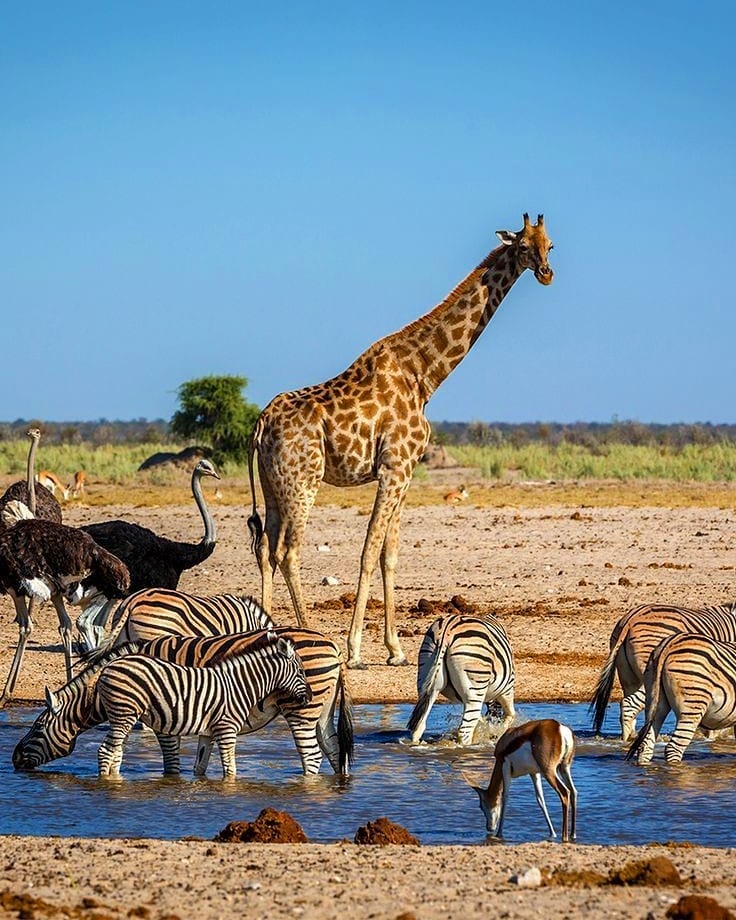
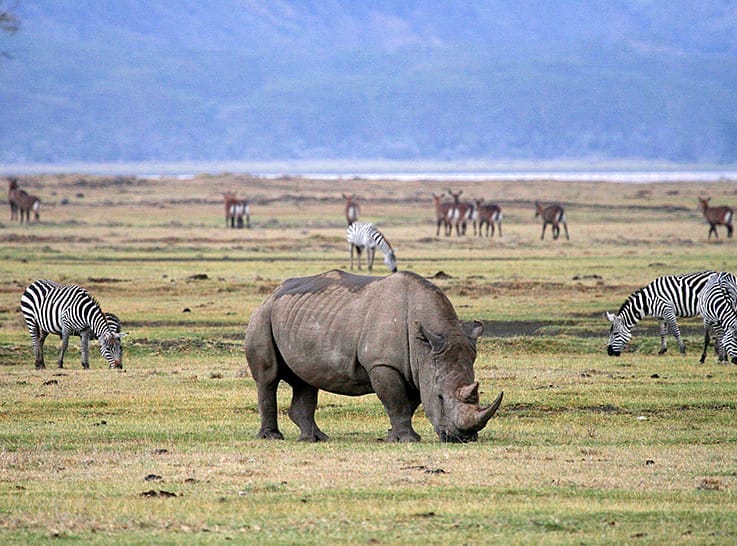
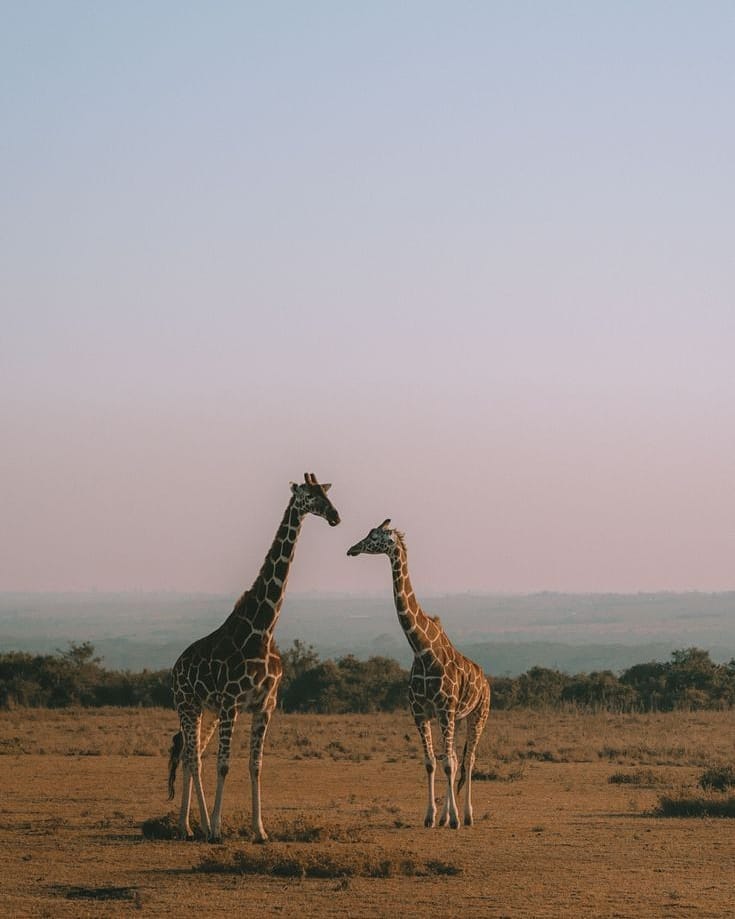
- Giraffes, zebras, wildebeest, buffaloes grazing in open savannahs.
- Colobus monkeys, blue monkeys, baboons swinging in the forest canopy.
- Hippos and crocodiles in the Momella Lakes, often with flamingos or other water birds nearby.
- Occasionally, elephants roam in small herds, adding excitement to any safari.
Unlike larger parks, big cats are rare, so if seeing lions or leopards is your goal, plan additional safaris in Tarangire or Serengeti. However, the richness of other animals and the park’s peaceful ambiance make it a perfect short safari destination.
- Scenic Landscapes
The park is not only about wildlife. Its volcanic terrain, craters, and lakes make it a photographer’s dream:
Ngurdoto Crater: Known as the “Little Ngorongoro,” this forested volcanic crater features a swampy floor surrounded by steep, verdant walls. A short hike along the rim provides stunning panoramic views.
Momella Lakes: A series of shallow alkaline lakes with flamingos and pelicans. The reflective waters, especially in the early morning, create perfect photo opportunities.
Mount Meru Views: On clear days, the majestic Mount Meru towers over the park, often with clouds hugging its slopes — a spectacular backdrop to any safari adventure.
- Adventure Activities
Arusha National Park is also an active safari destination:
Walking Safaris: Led by armed and experienced guides, walking safaris let travelers explore forest trails, learn about local flora, and get closer to nature than in a vehicle.
Canoeing: Some operators offer canoeing in calm lakes, allowing visitors to see hippos, crocodiles, and waterbirds from the water.
Photography and Birdwatching: With over 400 bird species, the park is a paradise for enthusiasts. Expect to spot flamingos, storks, pelicans, and numerous colorful smaller birds.
Detailed Itinerary for a Day Trip from Moshi or Arusha
Here’s a comprehensive itinerary that maximizes your safari experience:
06:00–07:00 — Hotel Pick-Up
Your guide picks you up in a 4×4 safari vehicle. Early departure ensures cooler temperatures, active wildlife, and fewer tourists at the park.
07:30–08:30 — Scenic Drive to Arusha National Park
Enjoy a leisurely drive through lush coffee plantations, banana farms, and rural villages. Your guide may point out local flora, traditional homes, and cultural insights.
08:30–12:00 — Morning Game Drive & Ngurdoto Crater
Begin your game drive in the savannah, spotting giraffes, zebras, and buffaloes.
Stop at Ngurdoto Crater for short hikes, panoramic photos, and wildlife observation near the swamp.
Visit the park’s forested areas to see colobus monkeys and baboons.
12:00–13:00 — Picnic Lunch
Enjoy a packed lunch in designated picnic areas surrounded by nature. Many tours provide sandwiches, fruits, and bottled water.
13:00–15:30 — Optional Walking Safari or Canoeing
Walking safari: Explore the forest floor with your guide, learning about medicinal plants, tracking wildlife, and observing birds.
Canoeing: Paddle quietly along the lakes for close-up encounters with hippos, crocodiles, and water birds.
15:30–17:00 — Afternoon Drive Back
Return via scenic routes, possibly stopping for photos or visiting local villages on the way back to Moshi or Arusha.
17:00–18:00 — Hotel Drop-Off
Arrive at your hotel, tired but enriched with memories of a full day of adventure and discovery.
Pricing Guide
Arusha National Park day trips cater to different budgets:
Tour Type
Price Range (USD)
Inclusions
Shared group safari
$200–$250
4×4 transport, guide, park fees, picnic lunch, water
Private 4×4 safari
$300–$450
Tailored itinerary, private guide, flexible stops
Premium operators
$290+
Binoculars, snacks, customized experience, photography tips
💡 Optional costs: tips for guides, additional drinks, or souvenir purchases at local markets.
Packing Checklist
- Lightweight clothing in layers (mornings can be cool)
- Closed-toe shoes for walking safaris
- Hat, sunglasses, sunscreen
- Camera and binoculars
- Insect repellent and reusable water bottle
- Light jacket for afternoon or windy moments
Travel Tips
Book in advance during peak seasons (June–October, December–January).
Start early to maximize wildlife activity and morning light for photos.
Listen to your guide — local knowledge improves wildlife spotting chances.
Respect park rules — stay in your vehicle unless on guided walks.
Combine the safari with nearby experiences like Materuni Waterfalls, coffee farm tours, or Kilimanjaro day hikes.
Why Choose Arusha National Park for a Day Trip
- Convenience: Short drives from Moshi or Arusha.
- Biodiversity: Diverse habitats and abundant wildlife.
- Scenic Beauty: Lakes, craters, forests, and Mount Meru views.
- Activities: Walking safaris, canoeing, birdwatching, photography.
Even for travelers on tight schedules, Arusha National Park provides a complete safari experience in a single day — perfect for first-time visitors or short-term travelers.
FAQs
Q: Can I see lions and leopards?
A: Large predators are rare in Arusha NP. For big cats, consider Tarangire or Serengeti.
Q: Is the park suitable for kids?
A: Yes, guided tours and short walks make it family-friendly.
Q: How long is the safari?
A: Typically 8–10 hours including hotel pick-up and drop-off.
Q: Are meals included?
A: Picnic lunches are standard; drinks and snacks may vary.
Conclusion
A day trip to Arusha National Park from Moshi or Arusha combines wildlife, adventure, and natural beauty into a single, unforgettable experience. Whether exploring the Ngurdoto Crater, spotting hippos in Momella Lakes, walking through forest trails, or simply enjoying Mount Meru’s backdrop, this safari is perfect for travelers seeking a memorable and accessible wildlife adventure in northern Tanzania.