
Weather on Mount Kilimanjaro: What to Expect with Africa Sights Safaris
When climbing Mount Kilimanjaro with Africa Sights Safaris, understanding the mountain’s weather conditions is a key part of preparing for a safe, comfortable, and successful summit. Kilimanjaro is unique because it rises from the equator to nearly 6,000 meters, creating five distinct climate zones. During your climb, you will experience dramatic weather changes—from warm tropical temperatures to freezing alpine conditions—often within the same day.
Our experienced local guides monitor Kilimanjaro’s weather patterns closely and help you prepare for every stage of the climb.
The Five Climate Zones of Mount Kilimanjaro
1. Cultivated Zone (800–1,800 meters)
Your Kilimanjaro journey begins in the cultivated zone near Moshi and surrounding villages. This area is warm and humid, with temperatures typically ranging from 20°C to 30°C. Occasional rain is common, especially during the rainy seasons. At Africa Sights Safaris, we recommend lightweight, breathable clothing for this section.
2. Rainforest Zone (1,800–2,800 meters)
As you ascend, you enter the rainforest zone—lush, green, and rich in wildlife. This area receives the highest rainfall on Kilimanjaro. Expect misty conditions, muddy trails, and temperatures between 15°C and 25°C. Waterproof jackets, rain pants, and hiking boots are essential. Our guides pace the hike carefully to keep you comfortable despite the humidity.
3. Heath and Moorland Zone (2,800–4,000 meters)
Rainfall decreases as the landscape opens into heath and moorland. Days are often sunny and pleasant, while nights can be cool, dropping to 5°C–10°C. Winds become stronger at this altitude. Africa Sights Safaris encourages layering at this stage, allowing you to adjust easily as conditions change.
4. Alpine Desert Zone (4,000–5,000 meters)
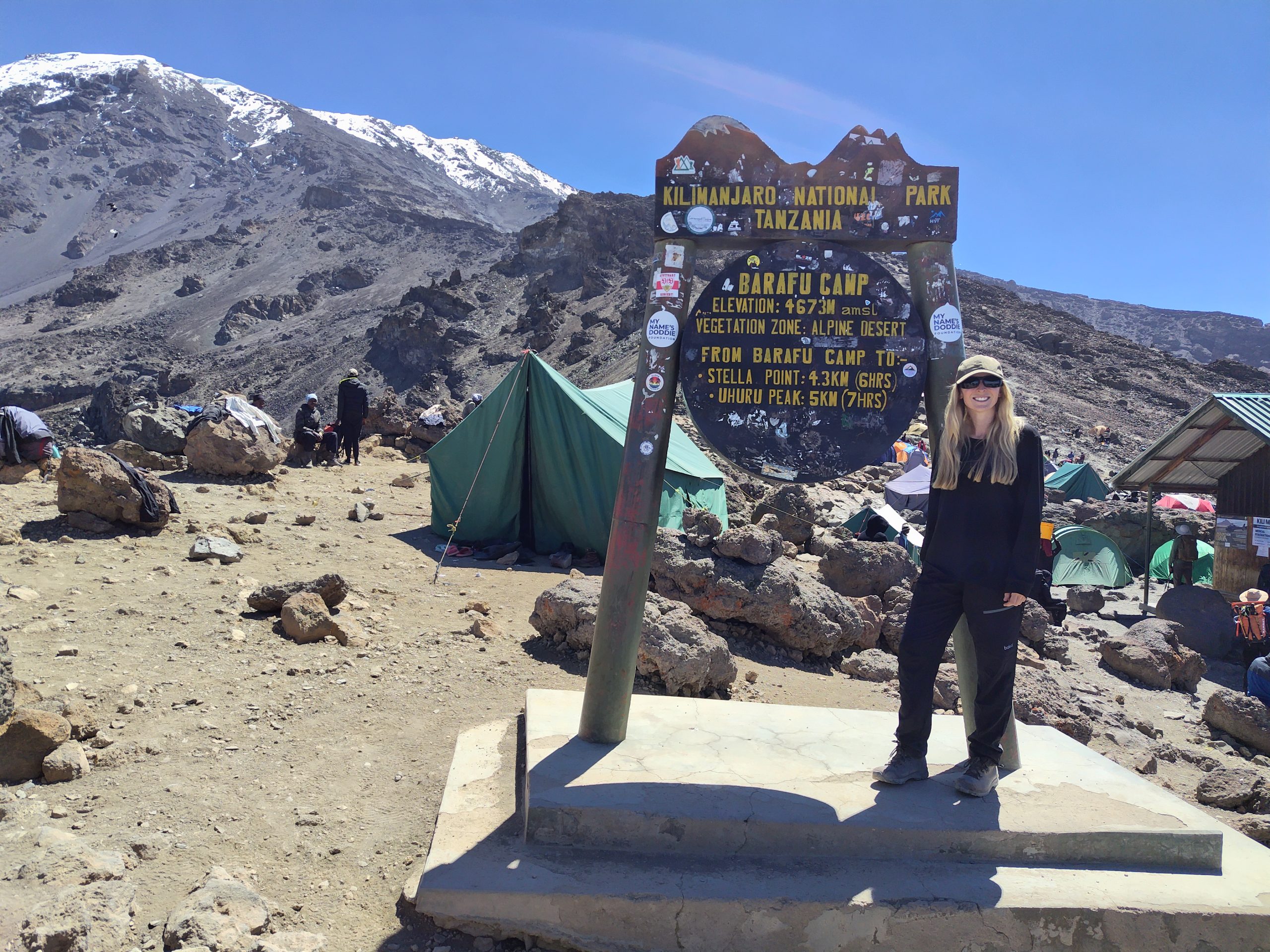
This zone is dry, rocky, and exposed. Daytime temperatures may reach 10°C, but nights frequently fall below freezing. The sun is intense, and oxygen levels are significantly lower. Our guides closely monitor your health and hydration, ensuring you are well-prepared for the colder conditions ahead.
5. Arctic Zone (Above 5,000 meters)
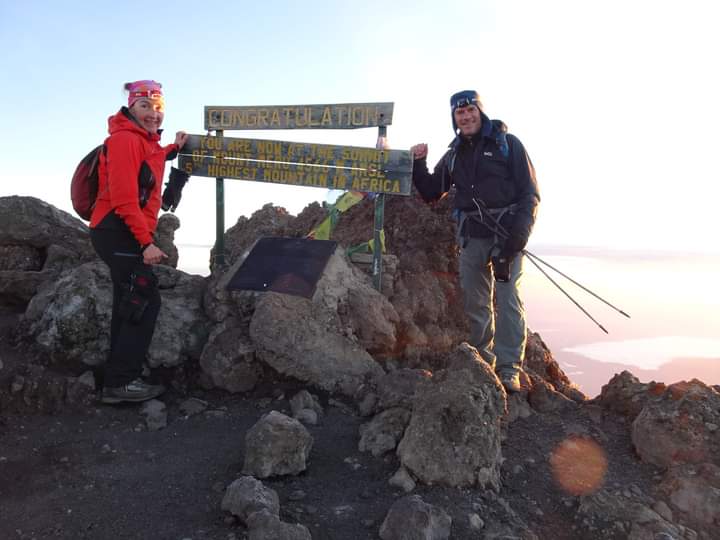
The final ascent to Uhuru Peak takes place in the arctic zone. Summit night temperatures often range from -10°C to -20°C, with strong winds and possible snow or ice. Africa Sights Safaris provides detailed guidance on summit-night gear, pacing, and safety to maximize your chance of success.
Best Time to Climb Kilimanjaro with Africa Sights Safaris
January to March: Warm temperatures, fewer crowds, and possible snow at the summit
April to May: Long rainy season; trails are quieter but wetter
June to October: Dry, stable weather and the most popular climbing period
November to December: Short rains on lower slopes, good summit conditions
Our team helps you choose the best season based on your preferences, experience, and travel plans.
How Africa Sights Safaris Helps You Handle Kilimanjaro Weather
Expert local guides with deep knowledge of mountain weather
Daily weather briefings during the climb
Proper acclimatization schedules to reduce altitude risks
Clear packing lists tailored to each season
Flexible pacing to match weather and group conditions
Final Thoughts
The weather on Mount Kilimanjaro is unpredictable, but with Africa Sights Safaris, you are fully prepared for every condition. From tropical rainforests to icy summit slopes, each climate zone adds to the adventure. With professional guidance, quality equipment advice, and a safety-focused approach, your Kilimanjaro climb becomes an unforgettable and rewarding experience.
Climb with confidence. Climb with Africa Sights Safaris.