
Detailed Information
Kilimanjaro Altitude Training Guide | Africa Sights Safaris
Climbing Mount Kilimanjaro is a life-changing adventure, but altitude remains the greatest challenge for most trekkers. At Africa Sights Safaris, we believe that proper Kilimanjaro altitude training and acclimatization planning are the keys to a safe, enjoyable, and successful summit.
Mount Kilimanjaro rises from about 1,800 meters (5,900 ft) to 5,895 meters (19,341 ft) at Uhuru Peak. This rapid gain in elevation exposes climbers to reduced oxygen levels, making preparation essential. In this guide, our experienced Kilimanjaro team explains how altitude affects your body and how to train effectively before your climb.
Understanding Altitude on Mount Kilimanjaro
As altitude increases, the air becomes thinner and oxygen availability decreases. Your body must adapt by breathing faster and producing more red blood cells. Without enough time or preparation, climbers may experience Acute Mountain Sickness (AMS).
Common altitude-related challenges include:
Headaches and nausea
Shortness of breath
Fatigue and poor sleep
Reduced appetite
At Africa Sights Safaris, we design itineraries that support proper acclimatization while educating climbers on how to prepare long before arriving in Tanzania.
Why Altitude Training Is Important for Kilimanjaro
Many people assume physical fitness alone guarantees success on Kilimanjaro. In reality, altitude affects everyone differently—regardless of age or fitness level.
Proper altitude training helps you:
Improve oxygen efficiency
Reduce the risk of altitude sickness
Maintain energy at higher camps
Increase your summit success rate
Our guides consistently observe that well-prepared climbers enjoy the trek more and perform better on summit night.
Best Altitude Training Methods Recommended by Africa Sights Safaris
1. Pre-Climb Hiking and Trekking
The best preparation for Kilimanjaro is hiking. If possible, train on hills or mountains to build endurance and leg strength.
Recommended activities:
Day hikes with elevation gain
Multi-day trekking trips
Hiking with a backpack
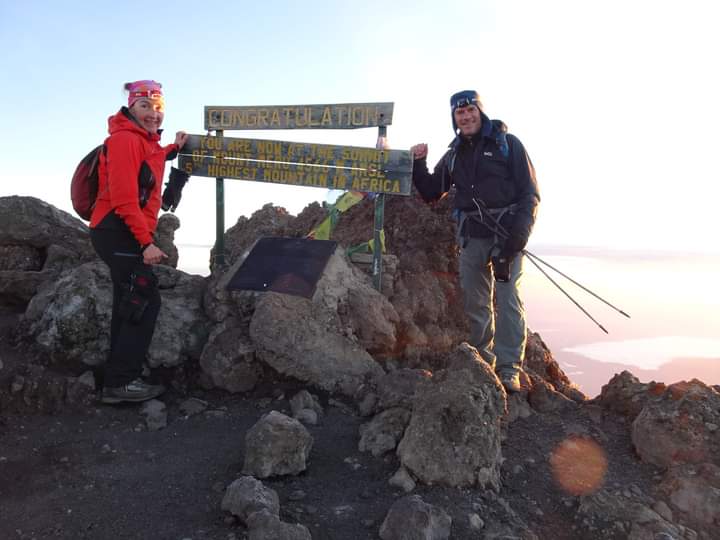
We strongly recommend Mount Meru as a pre-Kilimanjaro acclimatization climb for those with extra time in Tanzania.
2. Stair and Hill Training
If you live at sea level, stair climbing is one of the most effective ways to simulate Kilimanjaro conditions.
Training tips:
Train 2–3 times per week
Carry a daypack to simulate climb conditions
Maintain a slow, steady pace
This mirrors our Kilimanjaro approach: pole pole (slowly, slowly).
3. Cardiovascular Endurance Training
Strong cardiovascular fitness helps your body deliver oxygen efficiently at altitude.
Best cardio exercises:
Hiking and brisk walking
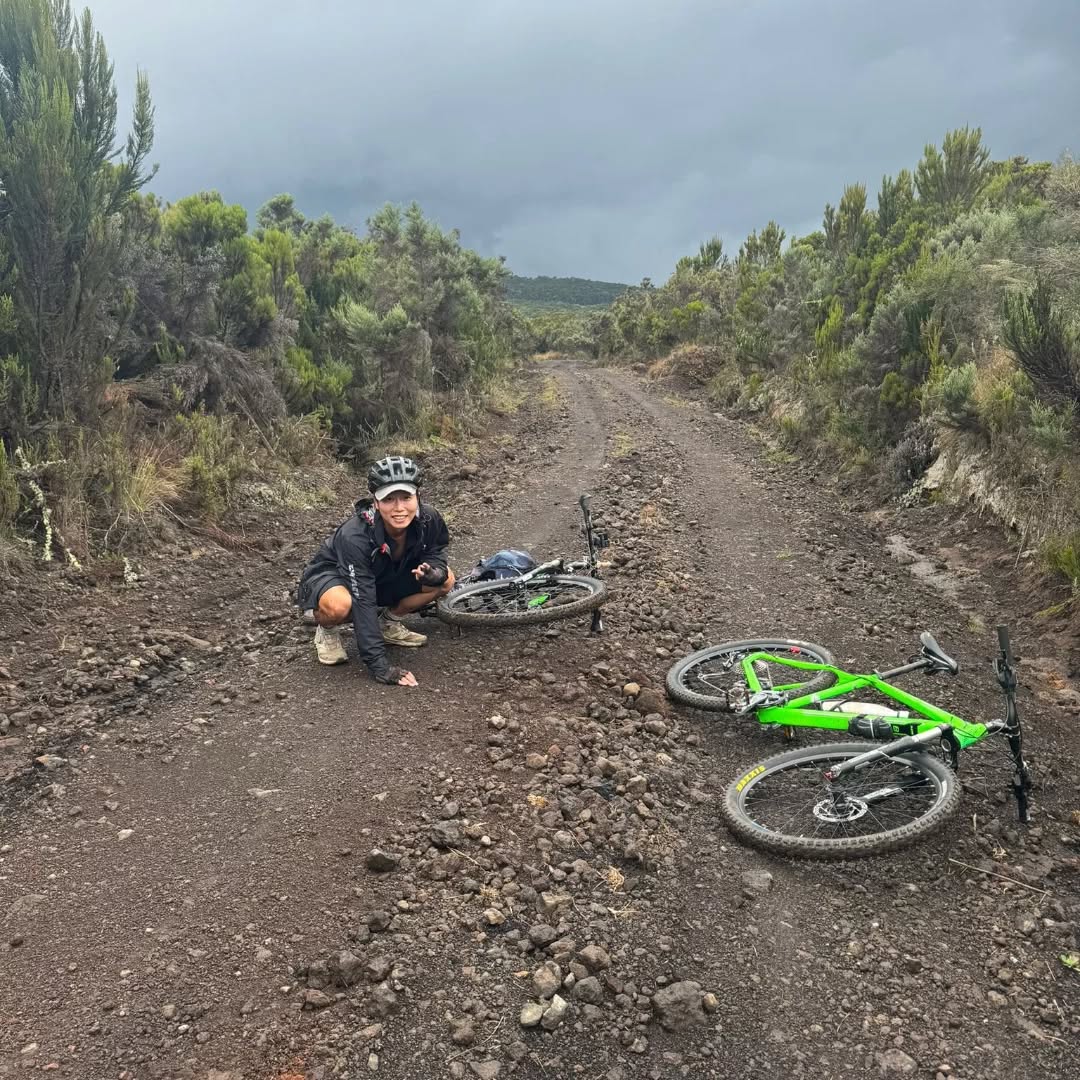
Cycling
Swimming
Jogging or treadmill incline walking
Aim for 45–60 minutes per session, at least 3 times per week.
4. Breathing and Mental Training
Altitude is as much mental as physical. Learning to control your breathing helps conserve energy at high altitude.
Helpful techniques include:
Diaphragmatic breathing
Yoga and stretching
Slow breathing during exercise
Our guides coach climbers on breathing techniques throughout the trek, especially during summit night.
Acclimatization on Kilimanjaro with Africa Sights Safaris
Altitude training continues on the mountain. At Africa Sights Safaris, we prioritize safe acclimatization strategies:
Longer itineraries (7–9 days)
“Climb high, sleep low” approach
Daily health checks
Proper hydration and nutrition
Experienced, certified mountain guides
These practices are essential for reducing altitude-related risks and improving summit success.
Best Kilimanjaro Routes for Altitude Acclimatization
We recommend routes that allow gradual ascent and proper altitude adaptation.
Best routes for acclimatization:
Lemosho Route – excellent scenery and gradual elevation gain
Northern Circuit Route – longest route with the highest success rate
Machame Route (7+ days) – good acclimatization with varied terrain
Shorter routes require stronger preparation and carry higher altitude risks.
Can You Climb Kilimanjaro Without Altitude Training?
Yes, some climbers reach the summit without specific altitude training. However, lack of preparation increases discomfort and the likelihood of altitude sickness.
Altitude training is especially important if:
You live at sea level
You have limited trekking experience
You choose a shorter route
You want the highest chance of success
At Africa Sights Safaris, we encourage all climbers to prepare properly for a safer and more rewarding experience.
How Long Should You Train Before Your Kilimanjaro Climb?
We recommend starting your training 8–12 weeks before your climb.
An ideal training plan includes:
Cardiovascular workouts
Leg and core strength training
Hiking with a backpack
Breathing and flexibility exercises
Consistency matters more than intensity.
Altitude Safety and Support on the Mountain
Your safety is our priority. Africa Sights Safaris uses:
Trained guides in altitude awareness
Pulse oximeters for monitoring oxygen levels
Emergency oxygen systems
Clear descent protocols if needed
Our team is experienced in recognizing altitude symptoms early and taking appropriate action.
Final Thoughts from Africa Sights Safaris
Altitude is the true challenge of Mount Kilimanjaro—but with proper training, the right route, and experienced guides, it is a challenge you can overcome. Altitude training is not about speed or strength; it’s about preparation, patience, and smart acclimatization.
At Africa Sights Safaris, we are committed to helping you reach Uhuru Peak safely while enjoying every moment of your Kilimanjaro journey.
FAQs: Kilimanjaro Altitude Training
Do altitude masks help for Kilimanjaro?
Altitude masks do not replicate real altitude conditions and are not recommended by our guides.
Is Diamox necessary?
Diamox can help with acclimatization but should only be used under medical advice and alongside proper training.
Which route has the highest summit success rate?
The Northern Circuit and Lemosho routes have the highest success rates due to excellent acclimatization.
What is the most important altitude tip on Kilimanjaro?
Walk slowly, drink enough water, eat well, and communicate openly with your guide.