
Climbing Overview
How to Prepare for Climbing Mount Kilimanjaro
Climbing Mount Kilimanjaro, Africa’s highest peak at 5,895 meters (19,341 feet), is a life-changing adventure that requires proper preparation. While Kilimanjaro does not require technical climbing skills, the altitude, changing weather conditions, and multi-day trekking demand good planning, fitness, and the right mindset.
At Africa Sights Safaris, we believe that good preparation is the foundation of a safe, enjoyable, and successful Kilimanjaro climb. This guide will help you understand exactly how to prepare—physically, mentally, and logistically—before starting your journey to the Roof of Africa.
Detailed Information
1. Choose the Best Kilimanjaro Route for Your Ability
Selecting the right route greatly increases your chance of reaching the summit.
Popular Kilimanjaro Routes Explained:
Marangu Route: Known as the “Coca-Cola Route,” this is the only route with hut accommodation. It has a gradual ascent but lower acclimatization time.
Machame Route: One of the most scenic routes with a higher success rate due to better acclimatization.
Lemosho Route: Ideal for those seeking the best acclimatization profile and breathtaking views.
Rongai Route: Approaches Kilimanjaro from the north, drier and quieter than other routes.
Longer itineraries (7–9 days) allow your body more time to adjust to altitude and are strongly recommended.
2. Physical Fitness & Training for Kilimanjaro
You don’t need to be an athlete, but you must be physically prepared.
Recommended Training Plan:
Cardiovascular exercises such as hiking, jogging, cycling, or swimming
Strength training focusing on legs, core, and lower back
Long-distance walking with a backpack
Stair climbing and hill training
Start training 8–12 weeks before your climb, gradually increasing intensity. The fitter you are, the more you will enjoy the trek.
3. Altitude Awareness & Acclimatization
Altitude sickness is the biggest challenge on Mount Kilimanjaro.
How to Reduce the Risk of Altitude Sickness:
Choose longer routes with gradual ascent
Walk slowly – “Pole Pole” is the golden rule
Drink plenty of water (3–4 liters per day)
Avoid alcohol and smoking
Listen to your guide and communicate symptoms early
Africa Sights Safaris conducts daily health checks, including oxygen level monitoring, to ensure climbers remain safe throughout the trek.
4. Packing & Essential Kilimanjaro Gear
Having the right equipment is crucial for comfort and safety.
Essential Kilimanjaro Packing Items:
Sturdy, waterproof hiking boots (well broken in)
Warm thermal layers and insulated down jacket
Waterproof jacket and trousers
Quality sleeping bag suitable for sub-zero temperatures
Gloves, warm hat, neck gaiter, and sunglasses
Trekking poles and headlamp
Africa Sights Safaris provides a detailed packing list and offers gear rental options in Tanzania.
5. Mental Preparation & Summit Night Readiness
Mental strength is just as important as physical fitness.
Mental Preparation Tips:
Stay patient and positive
Focus on small daily goals
Trust your guides and support team
Prepare for summit night, which is cold, slow, and challenging
Summit night is demanding, but determination and expert guidance make success possible.
6. Travel Documents, Insurance & Health Requirements
Before traveling to Tanzania, ensure all documents are in order.
Important Requirements:
Passport valid for at least 6 months
Tanzania tourist visa
Travel insurance covering high-altitude trekking and evacuation
Recommended vaccinations and personal medications
We assist climbers with pre-arrival travel guidance and planning support.
7. Best Time to Climb Mount Kilimanjaro
Mount Kilimanjaro can be climbed all year, but some seasons are more favorable.
Best Months to Climb:
January to March: Quieter trails, possible snow at the summit
June to October: Dry season, best visibility and weather
8. Why Prepare with Africa Sights Safaris?
Professional, certified Kilimanjaro mountain guides
High summit success rates
Proper acclimatization schedules
Quality equipment and nutritious meals
Safety-first approach with emergency preparedness
Personalized Kilimanjaro climbing itineraries
Start Preparing for Your Kilimanjaro Adventure
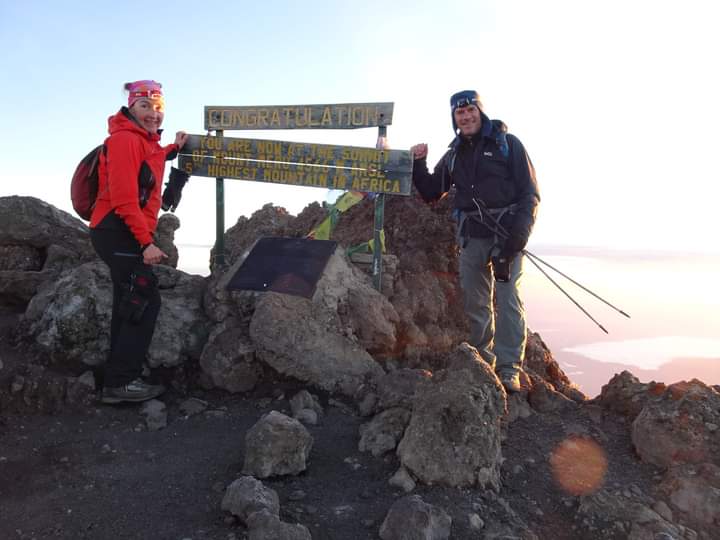
Proper preparation transforms your Kilimanjaro climb from a challenge into an unforgettable achievement. With the right training, equipment, mindset, and an experienced local team, reaching Uhuru Peak is within your reach.
Frequently Asked Questions (FAQs) – Preparing for Mount Kilimanjaro
1. Do I need previous climbing experience to climb Mount Kilimanjaro?
No, you do not need technical climbing or mountaineering experience to climb Mount Kilimanjaro. The trek is non-technical and suitable for beginners with good physical fitness. Proper preparation, a positive mindset, and choosing the right route are more important than prior climbing experience.
2. How fit do I need to be to climb Kilimanjaro?
You should have a moderate level of fitness and be able to walk for several hours a day over multiple days. Cardiovascular endurance and leg strength are essential. Regular hiking, stair climbing, and aerobic exercises before your trip will significantly improve your experience and comfort on the mountain.
3. What is the success rate for reaching the summit of Kilimanjaro?
Summit success rates depend on the route and number of days. Longer routes such as Lemosho and Machame (7–8 days) have higher success rates due to better acclimatization. With proper preparation and experienced guides, success rates can exceed 85–90%.
4. What is altitude sickness and how can I avoid it?
Altitude sickness occurs when your body struggles to adapt to lower oxygen levels at high altitude. Symptoms may include headache, nausea, dizziness, and fatigue. To reduce the risk:
Walk slowly (pole pole)
Stay hydrated
Choose longer routes
Follow your guide’s instructions
Africa Sights Safaris conducts daily health checks to monitor climbers’ well-being.
5. What is the best age to climb Mount Kilimanjaro?
The minimum recommended age is 10 years old, depending on physical condition and parental consent. There is no maximum age limit—many climbers in their 50s, 60s, and even 70s successfully reach the summit with proper preparation and pacing.
6. What kind of accommodation is available on Kilimanjaro?
Accommodation depends on the route:
Marangu Route: Mountain huts with shared dormitories
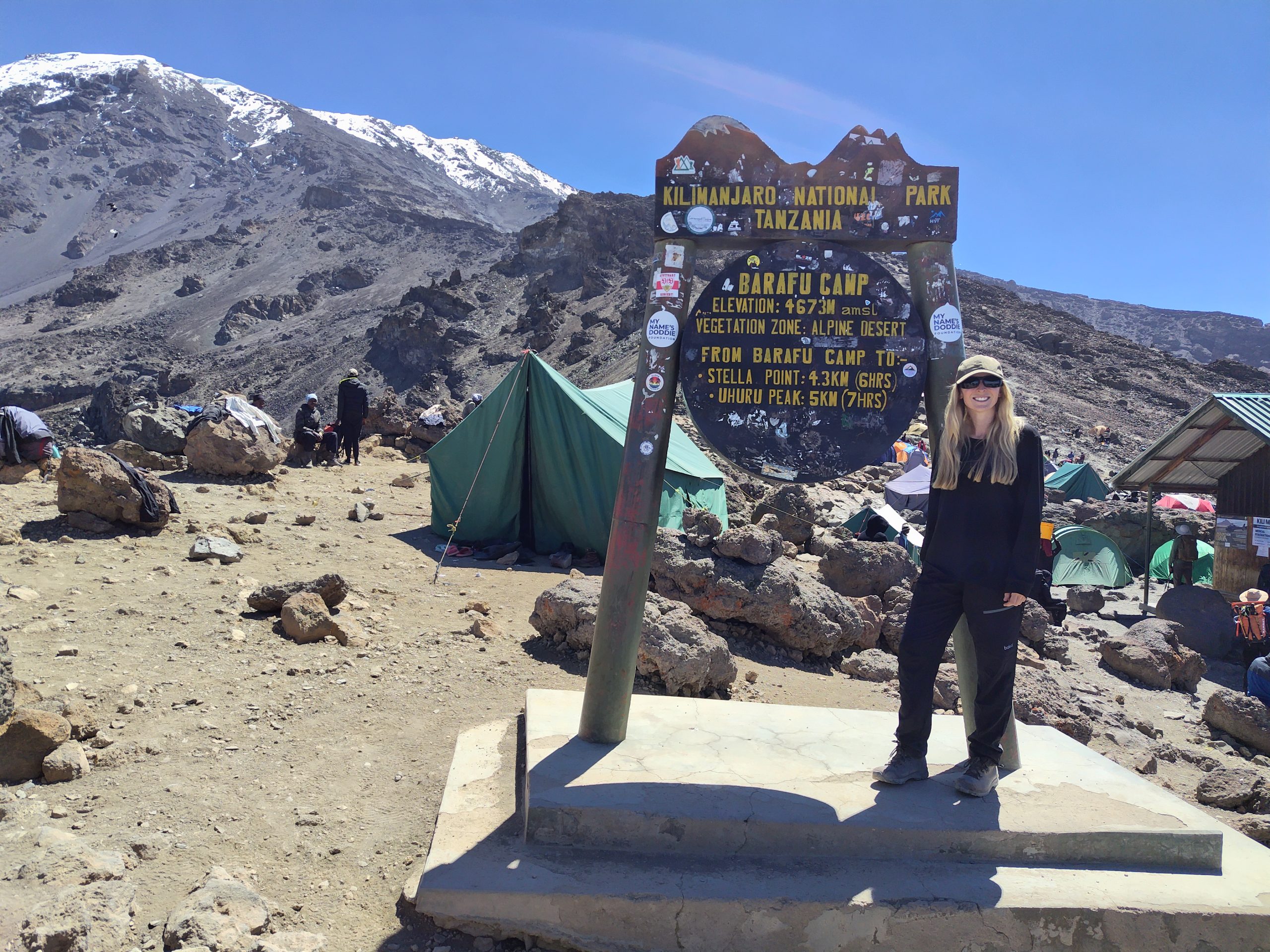
Other Routes: Private tents with sleeping mats
All camping equipment and setup are handled by the Africa Sights Safaris mountain crew.
7. How cold does it get on Mount Kilimanjaro?
Temperatures vary greatly depending on altitude. Daytime temperatures can be warm at lower elevations, while summit night temperatures can drop to -10°C to -20°C. Proper layering and warm clothing are essential for comfort and safety.
8. What food is provided during the climb?
Climbers are served freshly prepared, nutritious meals by our professional mountain chefs. Meals are designed to provide enough energy and include carbohydrates, proteins, vegetables, fruits, and hot drinks. Special dietary requirements can be accommodated upon request.
9. Do I need travel insurance for climbing Kilimanjaro?
Yes. Travel insurance is mandatory and must cover:
High-altitude trekking
Emergency evacuation
Medical treatment
This ensures peace of mind throughout your Kilimanjaro adventure.
10. How much water should I drink while climbing Kilimanjaro?
Climbers are advised to drink 3–4 liters of water per day. Staying hydrated is one of the most effective ways to reduce altitude-related symptoms and maintain energy levels.
11. Are toilets available on Mount Kilimanjaro?
On the Marangu Route, there are basic public toilets at huts. On camping routes, Africa Sights Safaris can provide private portable toilets for added comfort, especially recommended for longer climbs.
12. How much should I tip the mountain crew?
Tipping is customary on Kilimanjaro and is a way to appreciate the hard work of guides, porters, and cooks. We provide clear tipping guidelines before your climb to help you plan appropriately.
13. Is it safe to climb Mount Kilimanjaro?
Yes, climbing Kilimanjaro is safe when done with a licensed, experienced operator. Africa Sights Safaris prioritizes safety through trained guides, proper acclimatization, daily health monitoring, and emergency procedures.
14. When should I start preparing for my Kilimanjaro climb?
Ideally, start preparing 2–3 months before your climb. This includes physical training, gear preparation, travel planning, and mental readiness.
👉 Contact Africa Sights Safaris today and let our expert team help you prepare for a safe, successful, and unforgettable Mount Kilimanjaro climbing experience.