
How Hard Is It to Climb Mount Kilimanjaro? | Africa Sights Safaris
Climbing Mount Kilimanjaro is one of the world’s most iconic trekking experiences, but many travelers ask the same important question: how hard is it to climb Mount Kilimanjaro?
At Africa Sights Safaris, we guide climbers of all ages and fitness levels to the summit every year. The truth is that Kilimanjaro is challenging but achievable for most people who prepare properly and choose the right itinerary.
Mount Kilimanjaro rises to 5,895 meters (19,341 feet), making it Africa’s highest peak. While no technical climbing skills are required, the combination of altitude, endurance hiking, and mental determination makes it a true adventure.
Is Climbing Mount Kilimanjaro Technically Difficult?
No. Mount Kilimanjaro is a trek, not a technical climb. There is no rock climbing, no ropes, and no mountaineering equipment required on standard routes.
What you need instead:
Ability to walk several hours per day
Comfortable hiking on varied terrain
Willingness to walk slowly and steadily
Our Africa Sights Safaris guides set a manageable pace known locally as “pole pole”, which helps climbers conserve energy and acclimatize properly.
Altitude: The Biggest Challenge on Kilimanjaro
The greatest difficulty of climbing Kilimanjaro is altitude, not steepness. As elevation increases, oxygen levels decrease, making breathing harder and recovery slower.
Common altitude symptoms include:
- Headaches
- Nausea
- Fatigue
- Dizziness
- Difficulty sleeping
Even very fit climbers can feel these effects. This is why Africa Sights Safaris prioritizes longer routes and proper acclimatization to maximize safety and success.
How Physically Fit Do You Need to Be?
You do not need to be an athlete to climb Kilimanjaro, but you should be in good general physical condition.
Recommended preparation includes:
Regular walking or hiking
Cardiovascular training (cycling, jogging, swimming)
Leg and core strengthening
Training with a daypack
We recommend 8–12 weeks of preparation before your climb to feel confident and comfortable on the mountain.
How Long Is the Kilimanjaro Climb?
Kilimanjaro climbs typically take 6 to 9 days, depending on the route.
With Africa Sights Safaris, most days involve:
5–7 hours of hiking
Slow, steady pace
Frequent rest breaks
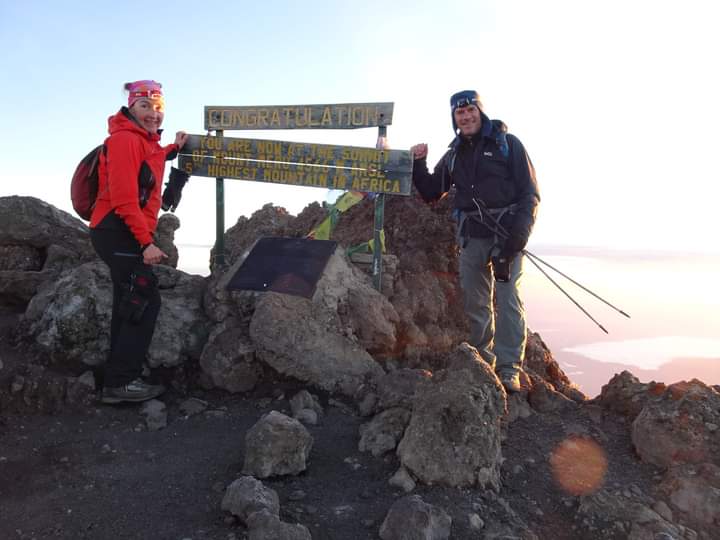
The most demanding part is summit night, which can take 12–15 hours in cold and windy conditions. Our guides provide constant support and motivation during this final push to Uhuru Peak.
Is Kilimanjaro Hard for Beginners?
Yes, Kilimanjaro is achievable for beginners. Many of our successful climbers have never hiked a mountain before.
The climb becomes harder if:
You choose a short route
You rush the ascent
You skip training
You ignore guide instructions
By choosing Africa Sights Safaris, beginners benefit from professional guides, careful pacing, and daily health monitoring.
Mental Challenge of Climbing Kilimanjaro
Mental strength plays a major role in summit success. Long trekking days, cold nights, and altitude fatigue can test your determination.
Mental challenges include:
Slow progress at high altitude
Reduced appetite
Cold temperatures
Sleep disruption
Our experienced guides provide encouragement, reassurance, and expert support to help you stay focused and motivated.
Which Kilimanjaro Routes Are Easier or Harder?
Routes recommended by Africa Sights Safaris for better success:
Lemosho Route – gradual ascent and beautiful scenery
Northern Circuit Route – longest route with highest success rate
Machame Route (7+ days) – excellent acclimatization profile
More challenging routes:
Umbwe Route (steep and rapid ascent)
Short Marangu itineraries (less acclimatization time)
Choosing the right route can make a huge difference in how hard the climb feels.
Does Age Matter When Climbing Kilimanjaro?
Age is not a limiting factor. Africa Sights Safaris has guided climbers from their teens to their 70s to the summit.
Success depends on:
Preparation
Health condition
Acclimatization
Attitude and determination
Is Climbing Kilimanjaro Worth the Challenge?
Absolutely. While Kilimanjaro is physically and mentally demanding, it is also one of the most rewarding adventures in the world. Reaching Uhuru Peak offers an unforgettable sense of achievement and breathtaking views.
Final Answer: How Hard Is It to Climb Mount Kilimanjaro?
Climbing Mount Kilimanjaro is challenging but achievable. It is not technically difficult, but altitude, endurance, and mental strength make it a serious trek. With proper training, the right route, and expert guides from Africa Sights Safaris, most people can successfully reach the summit.
FAQs – How Hard Is It to Climb Mount Kilimanjaro?
Can an average person climb Kilimanjaro?
Yes. With preparation and a well-paced itinerary, most average people can succeed.
What is the hardest day on Kilimanjaro?
Summit night due to altitude, cold, and long hiking hours.
Do I need experience to climb Kilimanjaro?
No technical experience is required, but training is strongly recommended.
What is the success rate with Africa Sights Safaris?
Our longer routes and acclimatization-focused itineraries achieve high summit success rates.