
Do You Need Oxygen to Climb Mount Kilimanjaro? – Africa Sights Safaris Guide
One of the most frequently asked questions by travelers planning a Kilimanjaro climb is: “Do I need supplemental oxygen to reach the summit?” The straightforward answer is no, oxygen is generally not needed for most climbers. However, understanding why and when oxygen might be necessary is essential for a safe and enjoyable ascent.
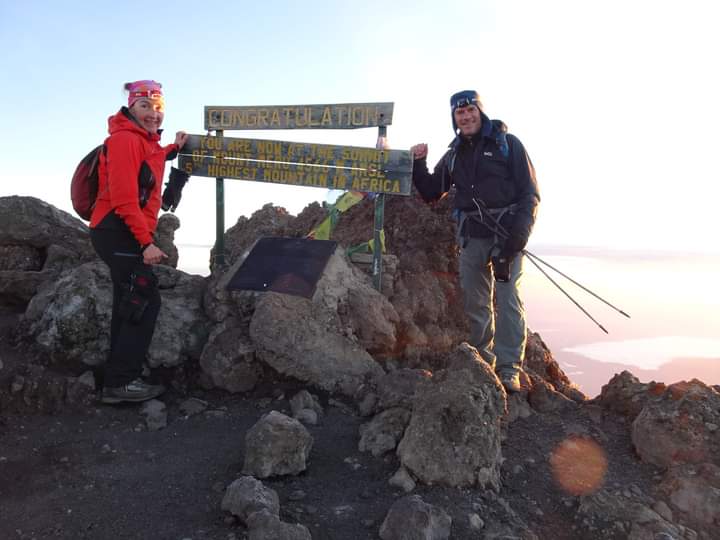
Mount Kilimanjaro, standing at 5,895 meters (19,341 feet), is Africa’s highest peak and the world’s tallest free-standing mountain. While the climb does not require technical mountaineering skills, altitude is the biggest challenge. At Africa Sights Safaris, we guide hundreds of trekkers each year, ensuring safe, well-paced climbs that allow natural acclimatization without relying on supplemental oxygen.
Why Oxygen is Usually Not Needed
Unlike Everest or other high-altitude peaks, Kilimanjaro is climbed without routine use of supplemental oxygen. Most climbers depend on gradual ascent and proper acclimatization. The non-technical trails, like Machame, Lemosho, and Northern Circuit, are designed to let your body adjust naturally to the thinning air.
At Africa Sights Safaris, we always emphasize:
A slow, steady pace (“pole pole”)
Adequate hydration and nutrition
Extended itineraries for better acclimatization
This approach helps most climbers summit safely without oxygen.
Understanding Kilimanjaro’s Altitude
As you ascend, oxygen levels drop significantly:
3,000 m: ~70% of sea-level oxygen
4,500 m: ~58%
Summit (5,895 m): ~49%
This reduction can lead to Altitude Sickness (Acute Mountain Sickness – AMS) if ignored. Africa Sights Safaris guides are trained to monitor symptoms daily, ensuring climbers remain healthy and safe.
When Oxygen May Be Used
Although not required, emergency oxygen is part of Africa Sights Safaris’ safety kit. It may be used if a climber develops:
Severe AMS symptoms (headache, nausea, dizziness)
High-Altitude Pulmonary Edema (HAPE) or Cerebral Edema (HACE)
Sudden medical emergencies
Important: Oxygen is not a shortcut to the summit. Descent is always the safest response to severe symptoms.
How to Climb Safely Without Oxygen
At Africa Sights Safaris, we recommend:
Choose the right route: Lemosho, Machame, or Northern Circuit allow better acclimatization.
Allow enough time: 7–8 days maximizes safety and summit success.
Walk steadily: Keep a slow, “pole pole” pace.
Hydrate and eat well: Water, snacks, and balanced meals help the body adapt.
Listen to your body: Report headaches, dizziness, or fatigue immediately.
We provide trained guides, pulse oximeters, and first-aid kits for every trekker, ensuring you have professional support throughout your climb.
Can Beginners Climb Kilimanjaro Without Oxygen?
Absolutely. Thousands of first-time trekkers summit Kilimanjaro each year without supplemental oxygen. Success depends less on prior high-altitude experience and more on:
Proper itinerary planning
Physical preparation and fitness
Experienced guiding support
At Africa Sights Safaris, we tailor each climb to individual abilities, maximizing both safety and enjoyment.
Emergency Support and Safety
Africa Sights Safaris is committed to climber safety. We provide:
Daily health monitoring
Emergency oxygen and medical kits
Evacuation procedures for any altitude-related illness
This ensures climbers can rely on professional support without needing oxygen under normal circumstances.
Final Verdict
Do you need oxygen to climb Mount Kilimanjaro? No. With Africa Sights Safaris, most climbers safely reach the summit using natural acclimatization, slow pacing, and professional guidance. Emergency oxygen is only a backup for rare situations, never a replacement for careful planning and pacing.
Frequently Asked Questions (FAQs)
Is oxygen allowed on Kilimanjaro?
Yes, but it is reserved for emergencies only. Africa Sights Safaris always carries emergency oxygen for safety.
Does oxygen improve summit success?
Not significantly. Proper acclimatization, pacing, and route selection are more effective.
What is the most challenging part of Kilimanjaro?
Altitude is the primary challenge, not technical climbing.
Can altitude sickness be prevented?
While not completely preventable, slow ascent, hydration, and careful monitoring reduce risks significantly.
Ready to Climb with Africa Sights Safaris?
Choose a well-paced itinerary, professional guides, and a safety-focused approach to summit Kilimanjaro successfully—no supplemental oxygen needed. Africa Sights Safaris ensures an unforgettable, safe, and rewarding adventure.