
Is Climbing Mount Kilimanjaro a Bucket List for Everyone?
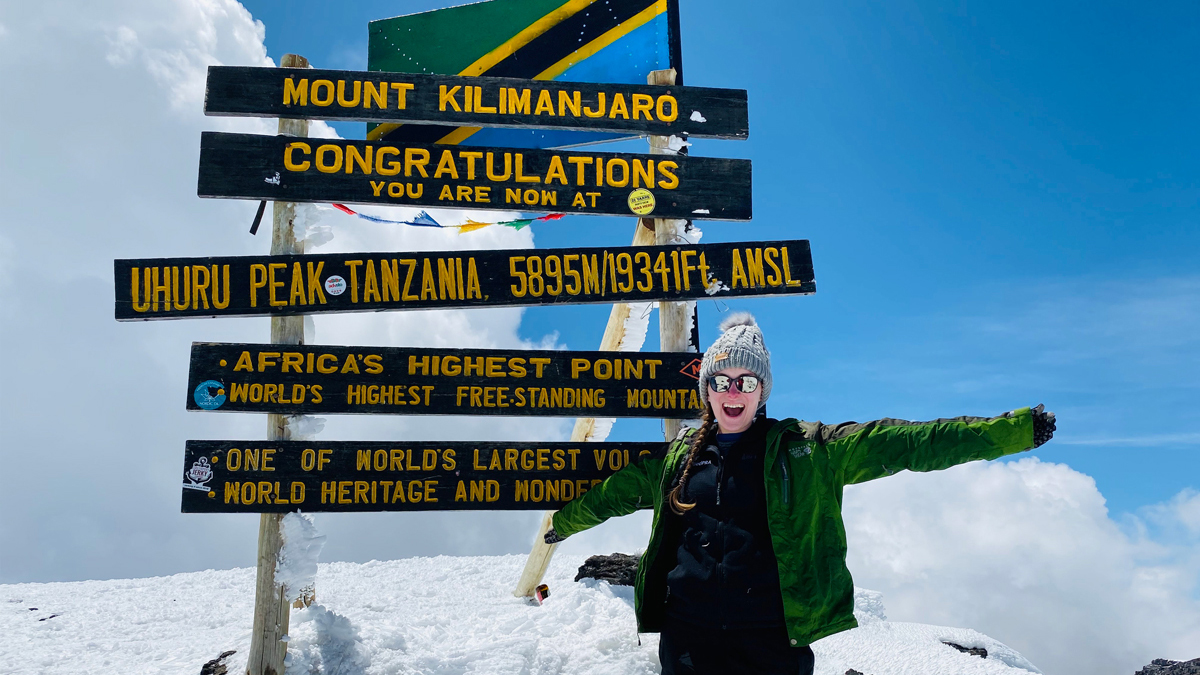
Mount Kilimanjaro, Africa’s tallest peak, towers majestically at 5,895 meters (19,341 feet) above sea level in northern Tanzania. Known as the “Roof of Africa,” Kilimanjaro is one of the most iconic mountains in the world. Its snow-capped summit rising above the equatorial plains attracts thousands of adventurers each year, eager to experience a journey that combines physical challenge, natural beauty, and cultural immersion.
But the question remains: is climbing Kilimanjaro truly a bucket-list adventure for everyone? This guide explores all aspects of the climb—from physical requirements to emotional rewards, routes, preparation, costs, and cultural experiences—so you can decide if this legendary mountain belongs on your personal bucket list.
Why Kilimanjaro Is Globally Famous
Africa’s Tallest Free-Standing Mountain
Unlike the peaks of the Himalayas or Andes, Kilimanjaro is a free-standing volcanic mountain. Its prominence makes it visible for miles and creates a dramatic landscape unmatched anywhere in the world. Climbers often describe the feeling of seeing the peak from afar as both intimidating and inspiring—a tangible symbol of adventure.
Unique Climatic Zones
Kilimanjaro offers a trekking experience unlike any other because of its five distinct ecological zones, each with unique flora, fauna, and weather conditions:
- Cultivated Farmland (800–1,800 m): Coffee and banana plantations with Chagga villages, waterfalls, and friendly local communities.
- Rainforest (1,800–2,800 m): Lush greenery, tropical birds, monkeys, and waterfalls.
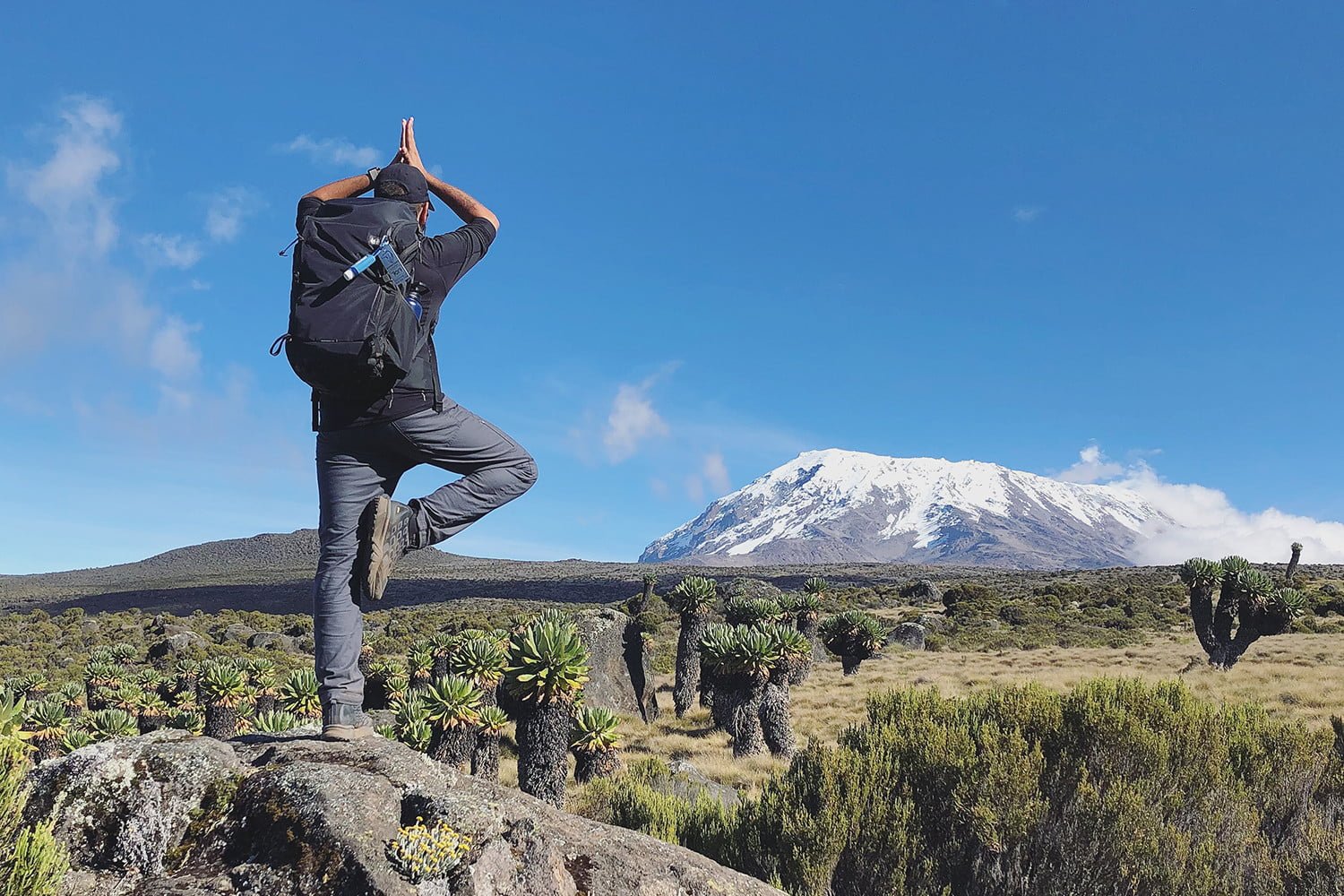
- Heather and Moorland (2,800–4,000 m): Shrubby landscapes, rare plants, and dramatic volcanic rock formations.
- Alpine Desert (4,000–5,000 m): Harsh, arid landscapes with sparse vegetation, creating a stark contrast to the lower forest.
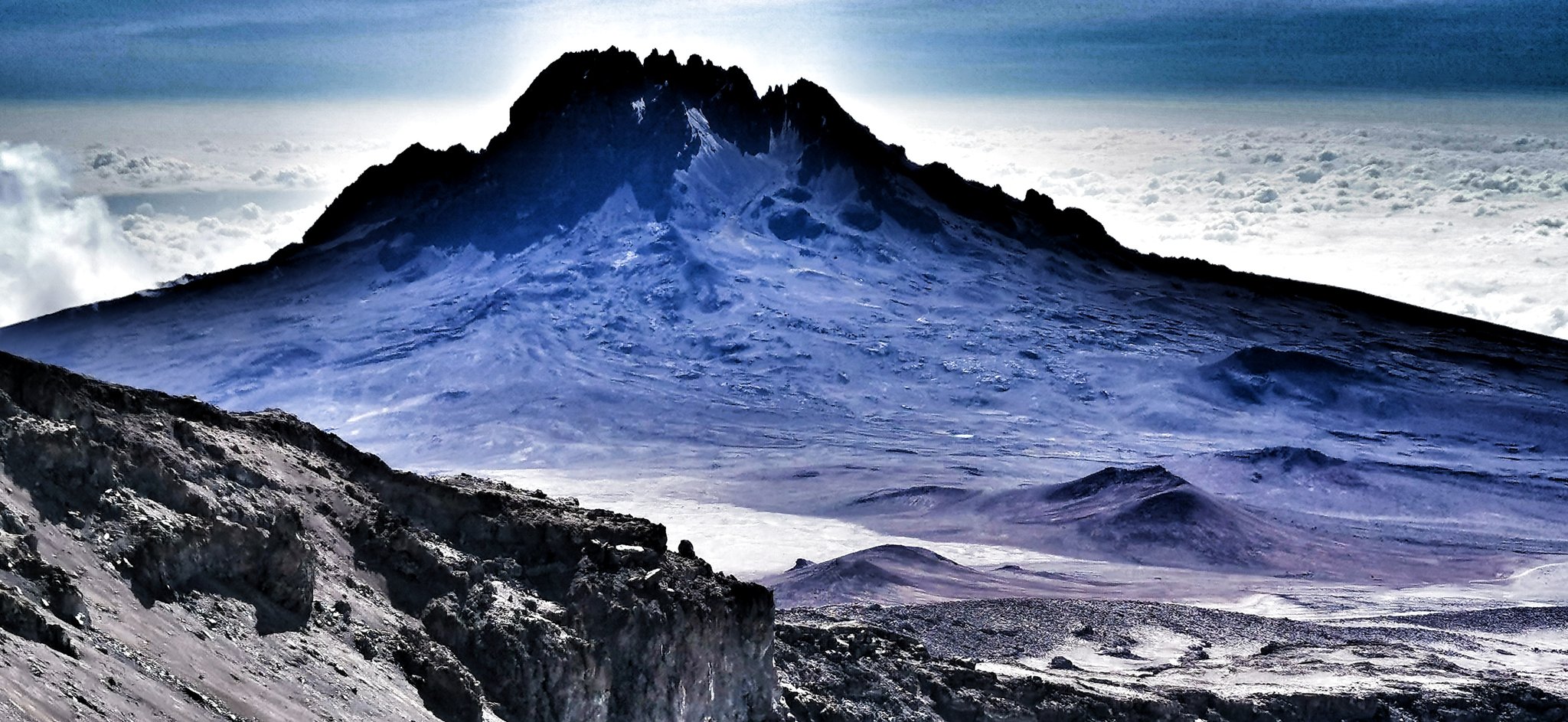
- Arctic Summit Zone (5,000–5,895 m): Glaciers, snowfields, and breathtaking sunrise views from Uhuru Peak.
Cultural Significance
The Chagga people, indigenous to Kilimanjaro’s slopes, offer climbers a rich cultural experience. From traditional coffee ceremonies to insights into local agriculture and community life, the cultural immersion adds meaning to the trek. Many climbers feel a deep connection to the mountain not only through the physical challenge but also through the people and culture surrounding it.
Physical Challenge: Preparing for the Roof of Africa
Climbing Kilimanjaro is often described as a “walk to the top of Africa,” yet this description can be misleading. While technical mountaineering skills like rope use or ice climbing are unnecessary, physical preparation is essential.
Fitness Requirements
- Cardiovascular endurance: Daily treks of 5–9 hours demand strong heart and lung capacity.
- Leg and core strength: Uphill hikes with a weighted backpack require endurance and muscular fitness.
- Acclimatization ability: Your body must adjust to high altitudes to avoid altitude sickness, a condition that can range from mild headaches to life-threatening complications.
Training Plan
- Walking & Hiking: Practice long walks and hikes 3–5 times per week, ideally with a backpack weighing 10–15 kg.
- Stair & Hill Training: Climbing stairs, hills, or using a stair-stepper strengthens leg muscles.
- Cardio Workouts: Running, cycling, and swimming improve overall stamina.
- Strength Exercises: Focus on legs, core, and back muscles with lunges, squats, planks, and deadlifts.
- High-Altitude Simulation: If possible, hike at higher elevations or use an altitude mask for short intervals to condition your body.
Health Considerations
Altitude sickness is the biggest risk. Symptoms include headaches, nausea, fatigue, and dizziness. Severe cases may require descent. Pre-existing conditions such as heart, lung, or kidney problems should be discussed with a doctor before the climb.
Choosing the Right Route: Tailoring Your Adventure
Kilimanjaro offers seven official trekking routes, each designed for different levels of experience, scenery preference, and time availability.
- Marangu Route – “Coca-Cola Route”
Duration: 5–6 days
Accommodation: Huts
Highlights: Gradual ascent, most accessible for beginners, suitable for moderate fitness levels.
- Machame Route – “Whiskey Route”
Duration: 6–7 days
Accommodation: Tents
Highlights: Diverse scenery through rainforest, moorland, and alpine desert, excellent acclimatization profile.
- Lemosho Route
Duration: 7–8 days
Accommodation: Tents
Highlights: Stunning views, longer trek allowing better acclimatization, lower crowds, panoramic scenery.
- Rongai Route
Duration: 6–7 days
Accommodation: Tents
Highlights: Approaches from the drier northern side, less crowded, more wildlife sightings.
- Northern Circuit Route
Duration: 8–9 days
Accommodation: Tents
Highlights: Longest route with 360-degree views of Kilimanjaro, excellent acclimatization.
- Umbwe Route
Duration: 6–7 days
Accommodation: Tents
Highlights: Steep, challenging, recommended for experienced hikers seeking a more demanding adventure.
- Shira Route
Duration: 7–8 days
Accommodation: Tents
Highlights: Starts high on the plateau, merges with Lemosho, less trafficked, scenic landscapes.
Choosing the right route depends on your fitness level, budget, and preference for scenery or challenge. Longer routes increase summit success rates due to better acclimatization.
Costs: Financial Considerations
Climbing Kilimanjaro is a significant investment. Costs vary based on route, duration, operator, and level of comfort.
Park Fees: $800–$1,000 per person for foreigners
Guide & Porter Fees: $300–$500
Equipment Rental: $50–$150 for trekking poles, sleeping bags, etc.
Tour Packages: $1,500–$5,000 depending on services, accommodations, and route.
Additional costs may include travel to Tanzania, insurance, tips for guides and porters, and personal gear. Careful planning ensures the climb remains safe, enjoyable, and environmentally responsible.
Emotional and Psychological Rewards
Climbing Kilimanjaro is as much a mental journey as a physical one.
- Sense of Achievement: Reaching Uhuru Peak, Africa’s highest point, is life-changing. Many climbers describe the experience as transformative, boosting confidence and personal resilience.
- Connection with Nature: Traversing five climatic zones in one trek allows hikers to experience the mountain’s extraordinary diversity and natural beauty.
- Community and Camaraderie: Trekking often involves working closely with guides, porters, and fellow climbers. Shared struggle and success often create lasting bonds.
- Potential Challenges: Who Should Think Twice
While Kilimanjaro is accessible to many, it is not for everyone:
- Physical Limitations: Those with serious health issues, mobility challenges, or extreme fear of heights may struggle.
- Time Constraints: The trek requires 5–10 days depending on the route.
- Cost: Expenses can be high, requiring careful budgeting.
- Environmental Impact: Kilimanjaro faces ecological pressures; responsible trekking is essential to preserve the mountain for future generations.
Tips to Make Your Kilimanjaro Experience Safer and More Enjoyable
Best Season to Climb: January–March and June–October (dry seasons)
Hire Certified Guides: Ensures safety, support, and cultural insight
Acclimatize Slowly: Increase summit success and minimize altitude sickness
Pack Smart: Layered clothing, proper footwear, trekking poles, water bottles, and first aid kits
Mental Preparation: Prepare for fatigue, mental challenges, and changing weather conditions
Alternatives for Non-Summit Experiences
For travelers unable or unwilling to summit, Kilimanjaro offers other experiences:
Lower Slopes Treks: Explore rainforest and moorland on day hikes
Safari and Wildlife Tours: Nearby Arusha National Park and surrounding savannahs offer wildlife encounters and scenic views
Cultural Immersion: Visit Chagga villages, coffee plantations, and local markets
Frequently Asked Questions (FAQs)
Q1: How hard is climbing Kilimanjaro?
A1: While technical climbing isn’t required, it is physically demanding due to altitude and long daily treks. Good preparation is essential.
Q2: How long does it take to reach the summit?
A2: Most routes take 5–9 days, depending on the route and pace. Longer routes increase acclimatization and summit success.
Q3: Can anyone climb Kilimanjaro?
A3: People with moderate fitness can often succeed, but serious medical conditions may prevent safe participation.
Q4: What is the best route for beginners?
A4: Marangu is the easiest for beginners, while Machame or Lemosho offer scenic diversity with higher success rates.
Q5: Do I need a guide?
A5: Yes, guides and porters are mandatory for safety, navigation, and ethical reasons.
Conclusion: Is Kilimanjaro for Everyone?
Mount Kilimanjaro is a truly iconic bucket-list adventure, but it requires preparation, endurance, and commitment. It is not universally suitable, yet for those ready to embrace the physical and mental challenges, the rewards are extraordinary: stunning landscapes, cultural richness, personal achievement, and memories that last a lifetime.
For many, standing atop Uhuru Peak is a defining life experience, and Kilimanjaro rightly earns its place on the bucket list of adventurers, nature lovers, and explorers worldwide.