
How to Train for High-Altitude Treks: The Ultimate Guide
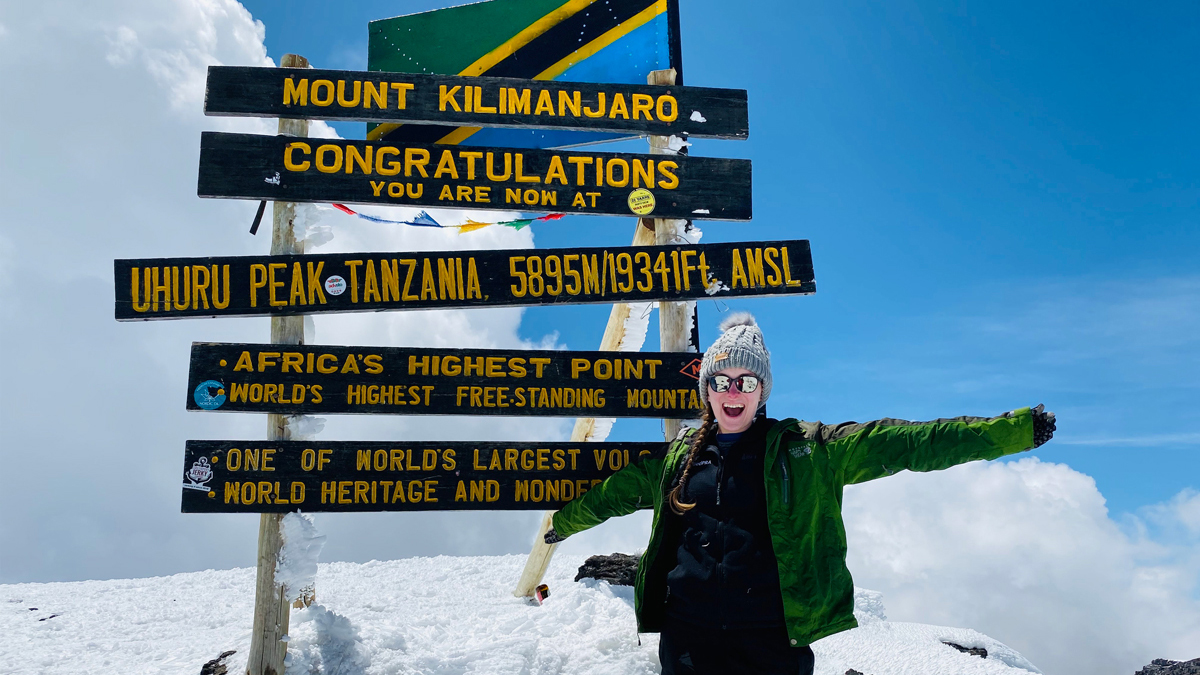
High-altitude trekking is an adventure like no other. Towering peaks, breathtaking landscapes, and a sense of achievement await, but the challenges are significant. Reduced oxygen, harsh weather, steep inclines, and long days of hiking demand not just determination but also careful preparation. Whether you’re planning to trek Mount Kilimanjaro, the Annapurna Circuit, the Inca Trail to Machu Picchu, or explore the Andes, training before your trek is crucial for success and safety.
This guide will walk you through everything you need to know to train effectively for high-altitude treks—covering physical fitness, mental preparation, acclimatization, nutrition, gear, safety, and step-by-step training plans.
- Understanding High-Altitude Challenges
Before training, it’s essential to understand what makes high-altitude trekking different from regular hiking:
1.1 Low Oxygen Levels
At high altitudes, oxygen levels are significantly lower. At 3,000 meters (9,800 feet) above sea level, oxygen saturation drops by nearly 30%. This reduced oxygen can lead to:
- Fatigue and shortness of breath
- Headaches and dizziness
- Nausea and loss of appetite
Severe cases: Acute Mountain Sickness (AMS), High-Altitude Pulmonary Edema (HAPE), High-Altitude Cerebral Edema (HACE)
1.2 Extreme Weather Conditions
- High-altitude regions are unpredictable. You may encounter:
- Rapid temperature drops and cold nights
- Strong winds and storms
- Snow, ice, and slippery trails
Proper training includes preparing for these physical and environmental stresses.
1.3 Physical Demands
- Trekking at altitude requires:
- Endurance to hike 5–8+ hours per day
- Strength to handle steep inclines, descents, and uneven terrain
- Balance for navigating rocky paths and icy trails
1.4 Mental and Emotional Challenges
- Extended treks demand mental resilience:
- Motivation to keep going despite fatigue
- Patience with slower progress at higher altitudes
- Stress management under isolation or harsh conditions
- Pre-Trek Medical Check-Up
Before you start training, consult a doctor to ensure you’re physically ready. Important steps include:
- Cardiovascular evaluation: ECG, blood pressure, and heart rate tests
- Respiratory check: Lung function tests, especially for asthma or prior breathing issues
- Previous altitude experience: Discuss any past episodes of altitude sickness
- Medications & vaccinations: Some regions require immunizations; discuss prophylactic medications for altitude sickness
Tip: Carry a small first-aid kit with medications for headaches, stomach issues, and altitude sickness.
- Building Physical Fitness
Training for a high-altitude trek combines cardiovascular endurance, muscular strength, flexibility, and balance.
3.1 Cardiovascular Training
- Improves oxygen delivery and stamina:
- Running/jogging: 30–60 minutes, 4–5 times per week
- Cycling: Great for leg endurance; alternate between stationary and outdoor routes
- Swimming: Low-impact, strengthens lungs and overall endurance
- HIIT (High-Intensity Interval Training): Boosts VO2 max and simulates the stress of steep inclines
3.2 Strength Training
Strong muscles prevent injuries and reduce fatigue:
- Legs: Squats, lunges, step-ups, calf raises
- Core: Planks, side planks, Russian twists, mountain climbers
- Upper body: Push-ups, pull-ups, shoulder presses to manage trekking poles and backpack
3.3 Flexibility & Balance
Flexibility prevents muscle strain; balance reduces falls:
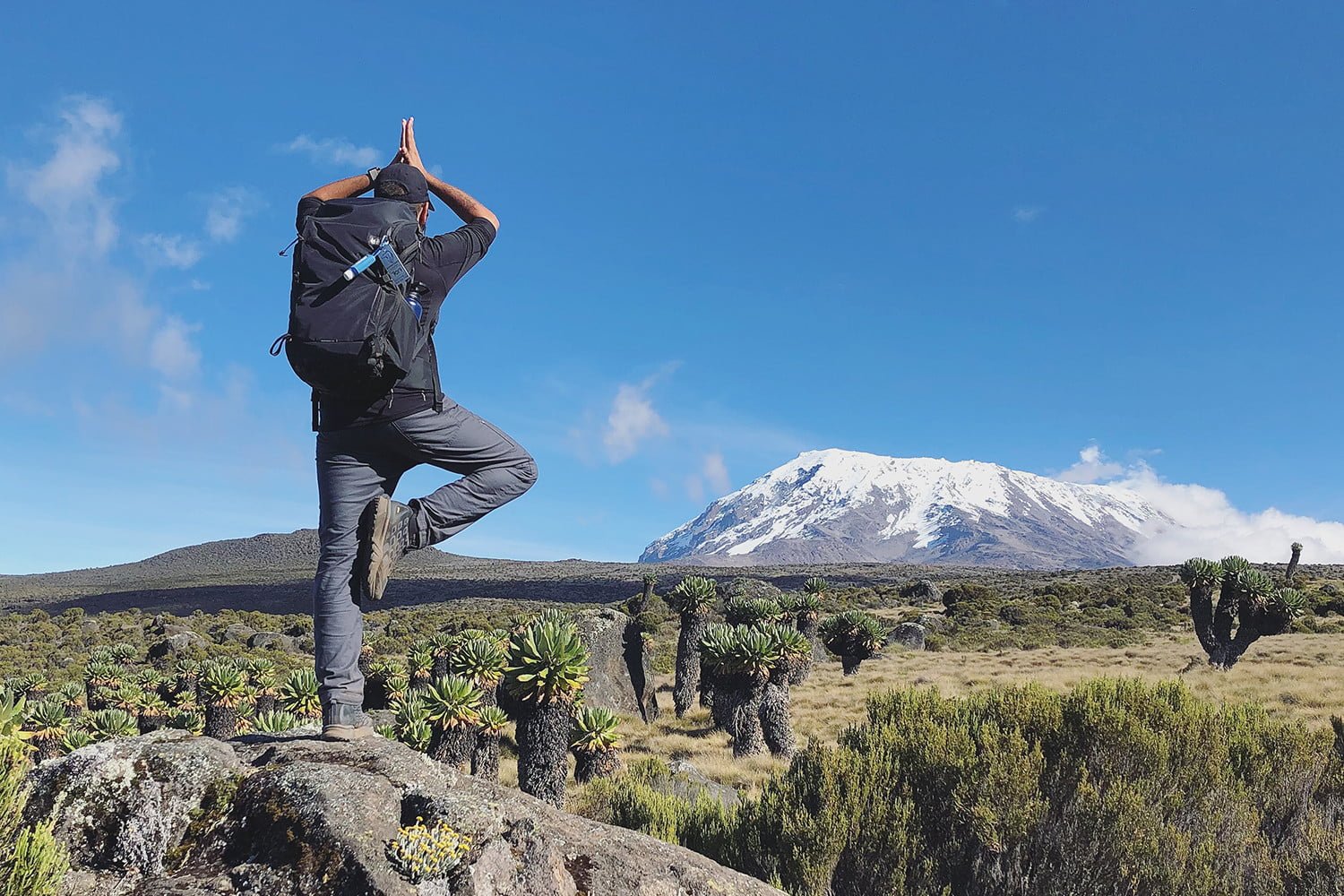
- Yoga: Enhances flexibility, breathing efficiency, and mental focus
- Balance exercises: Single-leg stands, Bosu ball training, trail walking
3.4 Endurance Hiking
Simulate trekking conditions with real hikes:
- Start with short hikes and gradually increase distance
- Include uphill climbs and uneven terrain
- Wear your backpack during hikes to condition your muscles
- Practice walking on rocky or slippery trails
- Acclimatization Techniques
Acclimatization helps your body adjust to high-altitude conditions and prevents serious illness.
4.1 Gradual Exposure
Spend time at progressively higher altitudes before your main trek
Weekend trips to mountains or high-altitude towns improve red blood cell efficiency
4.2 Hypoxic Training
Use altitude simulation masks or chambers (if available)
Enhances oxygen utilization and prepares lungs for low-oxygen conditions
4.3 Breathing Exercises
Diaphragmatic breathing: Improves oxygen intake
Pursed-lip breathing: Maintains steady breathing under exertion
Practice daily, especially before hikes or cardio sessions
- Nutrition & Hydration
Fueling your body before and during a trek is critical.
5.1 Pre-Trek Diet
- Carbohydrates: Whole grains, oats, brown rice for sustained energy
- Proteins: Lean meats, eggs, legumes for muscle repair
- Fats: Avocado, nuts, olive oil for endurance
- Vitamins & Minerals: Iron-rich foods support red blood cell production
5.2 Hydration
Drink 3–4 liters of water daily during training
Include electrolytes if sweating heavily
Avoid excessive caffeine or alcohol, which can dehydrate
5.3 Trekking Snacks
Energy bars, nuts, dried fruits
Trail mix with balanced carbohydrates and protein
Electrolyte tablets for longer days at high altitude
- Mental Preparation
Trekking at altitude is as much a mental challenge as a physical one.
- Goal Setting: Break the trek into daily milestones
- Visualization: Mentally rehearse challenging parts of the trail
- Stress Management: Meditation, yoga, and deep breathing improve focus
- Motivation: Keep a training journal to track progress and celebrate milestones
Pro Tip: Visualization of reaching the summit can dramatically improve endurance and mental resilience.
- Essential Gear Training
Training with actual trekking gear prevents discomfort and injury.
- Backpack: Gradually increase weight; practice long hikes carrying full load
- Boots: Break in trekking boots to prevent blisters
- Poles: Practice using trekking poles on uneven terrain
- Layered Clothing: Train in layers to adjust to changing temperatures
- Sample 12-Week Training Plan
- Week
- Cardio
- Strength
- Hiking
Notes
1-2
20–30 min runs, 3x/week
Basic 2x/week
Short hikes 1x/week
Focus on form
3-4
30–40 min runs, 4x/week
Moderate 2x/week
Medium hikes 2x/week
Introduce backpack
5-6
40–50 min runs, 4x/week
Strength 3x/week
Longer hikes 2x/week
Include elevation
7-8
50–60 min runs, 5x/week
Advanced 3x/week
Challenging hikes 2–3x/week
Hill sprints included
9-10
60 min runs, 5x/week
Full-body 3x/week
Long hikes with weight
Focus on endurance
11-12
60+ min runs, 5x/week
Maintain strength
Simulated trek 1x/week
Taper week before trek
- Safety Tips & Altitude Sickness Prevention
- Ascend Slowly: No more than 300–500 meters per day above 3,000 meters
- Recognize Symptoms: Headache, nausea, dizziness, fatigue
- Descend if Severe: Never ignore serious altitude sickness
- Medications: Acetazolamide or other prescribed drugs (consult doctor)
- Buddy System: Always trek with someone for safety
- Gear Checklist for High-Altitude Trekking
- Trekking boots and socks
- Layered clothing: base, mid, and outer layers
- Backpack (fit-tested)
- Trekking poles
- Sunglasses and sunscreen
- First aid kit with altitude sickness medication
- Water bottles and hydration system
- Energy snacks and electrolyte tablets
- Headlamp and extra batteries
- Additional Tips for a Successful Trek
- Train in conditions similar to your trek (heat, cold, altitude if possible)
- Focus on nutrition and hydration daily, not just during the trek
- Include rest and recovery days to avoid overtraining
- Practice mental exercises like mindfulness and visualization
- Document your progress and adjust training intensity if needed
Conclusion
High-altitude trekking is one of the most rewarding adventures you can undertake, but it is also demanding. Training effectively ensures your body and mind are ready for the challenges of steep climbs, reduced oxygen, extreme weather, and long trekking days. By combining cardio, strength, flexibility, mental preparation, acclimatization, and proper nutrition, you maximize your chances of success and safety.
Every step of your preparation contributes to the thrill of reaching the summit, the joy of breathtaking vistas, and the satisfaction of conquering a high-altitude adventure. With patience, consistency, and commitment, the mountains are not just a challenge—they are a triumph waiting to happen.