
Best Things to Do in Serengeti National Park – The Complete Safari Travel Guide (2026–2028)
If you are planning a Tanzania safari adventure, exploring Serengeti National Park should be your number one priority. Known worldwide as Africa’s most iconic wildlife destination, the Serengeti delivers dramatic landscapes, extraordinary wildlife encounters, luxury safari experiences, and one of the greatest natural spectacles on Earth — the Great Wildebeest Migration.
Whether your clients are honeymooners, photographers, families, or adventure seekers, this guide provides everything they need to know.
Introduction to Serengeti National Park
Located in Northern Tanzania, Serengeti National Park covers approximately 14,750 square kilometers (5,700 square miles) of pristine wilderness. It forms part of the larger Serengeti ecosystem, which includes the world-famous Ngorongoro Conservation Area and extends north into Kenya’s Maasai Mara National Reserve.
The park was established in 1951 and is now a UNESCO World Heritage Site. Its name originates from the Maasai word Siringet, meaning “the endless plains,” perfectly describing its sweeping savannahs dotted with acacia trees and rocky kopjes.
Serengeti is famous for:
- The Great Wildebeest Migration
- The Big Five (lion, leopard, elephant, buffalo, rhino)
- High predator concentration
- Year-round wildlife viewing
- Luxury tented safari camps
- Authentic Maasai culture
- Scenic hot air balloon safaris
- Witness the Great Wildebeest Migration
The Great Migration is the main reason many travelers visit Serengeti. This is the largest overland wildlife migration on Earth.
Each year, more than:
- 5 million wildebeests
- 250,000 zebras
- 500,000 gazelles
move in a circular pattern between Serengeti and Maasai Mara in search of fresh grazing and water.
Migration Timeline
January – March (Southern Serengeti & Ndutu)
Calving season takes place in the southern plains near Ndutu. Around 8,000 baby wildebeests are born daily at peak season. This attracts lions, cheetahs, hyenas, and leopards.
Best for: Predator action and baby animals.
April – June (Central & Western Corridor)
The herds move northwest through Central Serengeti toward the Western Corridor. The Grumeti River crossings begin, offering dramatic scenes.
Best for: Fewer crowds and massive herd gatherings.
July – October (Northern Serengeti – Mara River)
This is the most dramatic phase. Wildebeests cross the crocodile-infested Mara River.
Best for: River crossings and iconic safari photography.
November – December
The herds return south as the rains begin again.
Serengeti offers migration experiences almost year-round — location matters more than month.
- Go on Classic Game Drives
Game drives are the core safari activity. Professional safari guides navigate 4×4 vehicles across vast plains searching for wildlife.
Animals You Can See in Serengeti
- Large lion prides
- Elusive leopards
- Fast cheetahs
- African elephants
- Cape buffalo
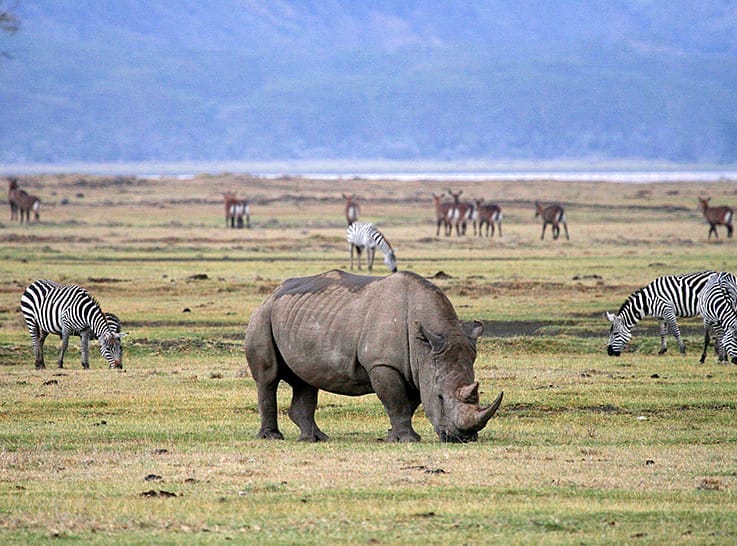
- Black rhinos (rare)
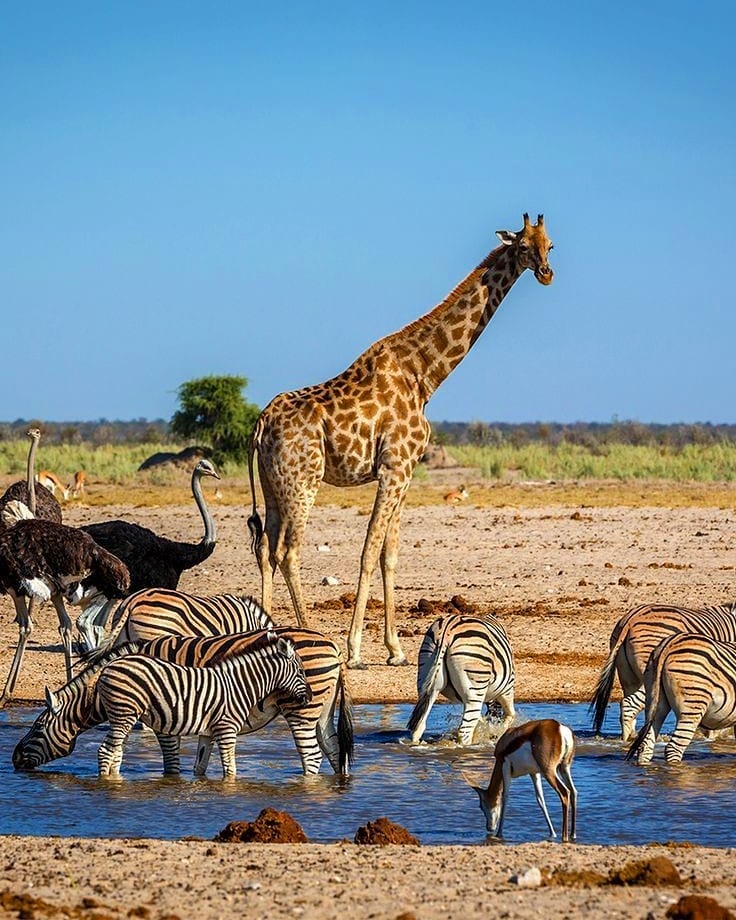
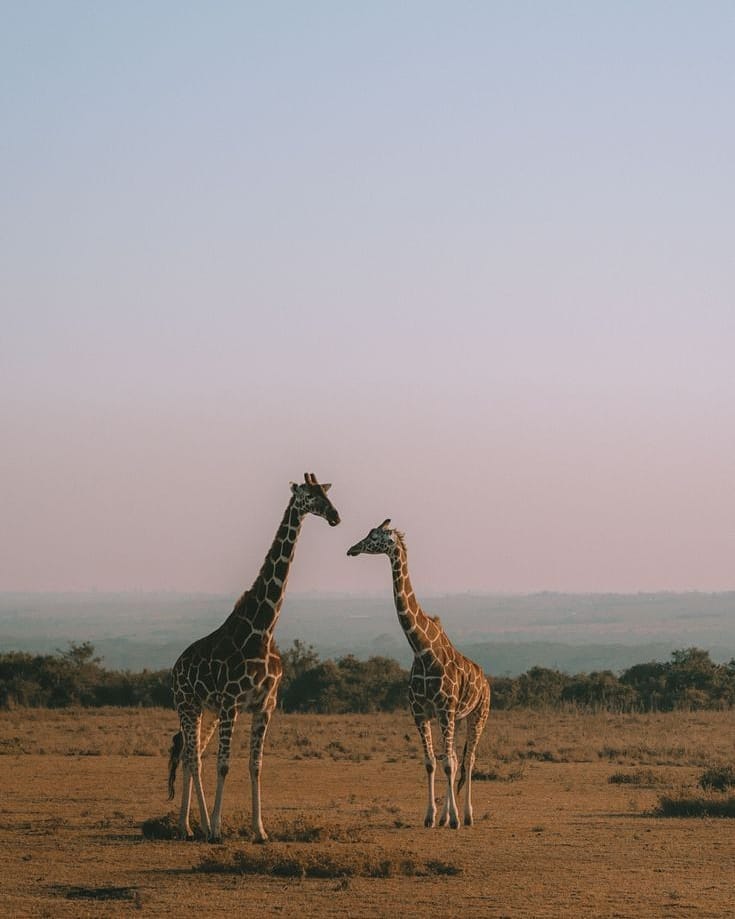
- Giraffes
- Hippos
- Crocodiles
- Hyenas
- Jackals
- Over 500 bird species
The Seronera Valley in Central Serengeti is considered the wildlife heart of the park due to permanent water sources attracting animals year-round.
Morning drives (6:00–10:00 AM) and late afternoon drives (3:30–6:30 PM) offer the best sightings.
- Take a Serengeti Hot Air Balloon Safari
A sunrise balloon safari is a once-in-a-lifetime experience.
Guests lift off at dawn, floating silently above:
- Wildebeest herds
- Elephant families
- Giraffes browsing treetops
- Lions resting on kopjes
The flight lasts approximately one hour and ends with a champagne bush breakfast in the wilderness.
Perfect for:
- Honeymoon safaris
- Anniversary trips
- Luxury safari packages
- Photography lovers
- Explore the Different Serengeti Regions
Serengeti is divided into key regions, each offering unique safari experiences.
Central Serengeti (Seronera)
- Best year-round wildlife viewing
- High density of predators
- Ideal for first-time visitors
- Numerous lodges and camps
Southern Serengeti (Ndutu Area)
Calving season (January–March)
- Short grass plains
- Excellent cheetah sightings
- Western Corridor
- Grumeti River crossings
- Scenic riverine forests
- Fewer tourists
- Northern Serengeti
- Mara River crossings
- Exclusive safari feel
- Rolling hills and dramatic landscapes
Choosing the right region based on season maximizes safari success.
- Visit the Iconic Kopjes
Kopjes are rocky granite outcrops scattered across the plains. These formations:
- Serve as lion lookout points
- Provide shade for wildlife
- Offer scenic picnic spots
- Create stunning photography backdrops
Many famous wildlife documentaries have been filmed around Serengeti’s kopjes.
- Experience a Walking Safari (Special Zones)
While most safaris are vehicle-based, select areas allow guided walking safaris with armed rangers.
Benefits:
- Learn tracking skills
- Understand ecosystems deeply
- Discover medicinal plants
- Experience Serengeti on foot
This activity adds adventure and intimacy to traditional safari programs.
- Cultural Visits to Maasai Communities
The Maasai people are semi-nomadic pastoralists who have lived in this region for centuries.
Visitors can:
- Tour traditional manyattas (homes)
- Learn about livestock culture
- Watch traditional dances
- Purchase handmade beadwork
Cultural tourism supports local livelihoods and enhances conservation awareness.
- Bird Watching in Serengeti
Serengeti is a birding paradise with more than 500 recorded species.
Common sightings include:
- Secretary birds
- Kori bustards
- Ostriches
- Lilac-breasted rollers
- Martial eagles
- Vultures
- Hornbills
The green season (November–April) is best for migratory birds.
- Enjoy Luxury Safari Lodges & Tented Camps
Accommodation options range from mid-range tented camps to ultra-luxury safari lodges.
Luxury features may include:
- Private plunge pools
- Outdoor showers
- Fine dining
- Spa treatments
- Butler service
- Private safari vehicles
Mobile camps move seasonally to follow the migration.
- Combine Serengeti with Other Northern Tanzania Parks
Most safari itineraries combine Serengeti with:
- Ngorongoro Crater
- Dense wildlife in volcanic caldera
- Black rhino sightings
- Stunning crater views
- Tarangire National Park
- Large elephant herds
- Massive baobab trees
- Excellent dry-season game
- Lake Manyara National Park
- Tree-climbing lions
- Flamingos
- Scenic lake views
A 7–10 day Northern Circuit safari provides a complete Tanzania wildlife experience.
Best Time to Visit Serengeti National Park
Serengeti is a year-round destination.
June – October: Best for general wildlife and river crossings
January – March: Best for calving season
April – May: Green season (fewer crowds, lower prices)
November – December: Short rains, beautiful landscapes
How to Get to Serengeti
International visitors typically arrive at Kilimanjaro International Airport.
Travel options to Serengeti include:
- Domestic flights from Arusha
- Charter bush flights
- Road safari via Ngorongoro
Flying saves time and provides aerial views of the savannah.
Suggested 7-Day Serengeti Safari Itinerary
Day 1: Arrival in Arusha
Day 2: Transfer to Central Serengeti
Day 3: Full-day game drive in Seronera
Day 4: Transfer to Northern Serengeti
Day 5: Mara River safari experience
Day 6: Sunrise balloon safari & afternoon drive
Day 7: Return flight to Arusha
Travel Tips for Serengeti Safari
Book migration season at least 6–12 months in advance
Pack neutral colors (khaki, beige, green)
Bring sunscreen and hat
Carry binoculars
Use reputable safari operators
Choose region based on migration movement
Why Serengeti is Africa’s Top Safari Destination
Serengeti stands above other parks because of:
- Unmatched predator density
- The Great Migration
- Endless open landscapes
- Year-round wildlife viewing
- Flexible safari styles (budget to ultra-luxury)
- Rich cultural heritage
Few places on Earth offer such raw, authentic wilderness experiences.
Final Thoughts
If you are searching for the best things to do in Serengeti National Park, the options are endless — from thrilling river crossings and Big Five encounters to peaceful balloon safaris and cultural experiences.
Whether planning for 2026, 2027, or 2028, Serengeti remains Tanzania’s most iconic safari destination and a bucket-list adventure for travelers worldwide.