
Accommodations for Sleeping on Mount Kilimanjaro: Your Complete Guide
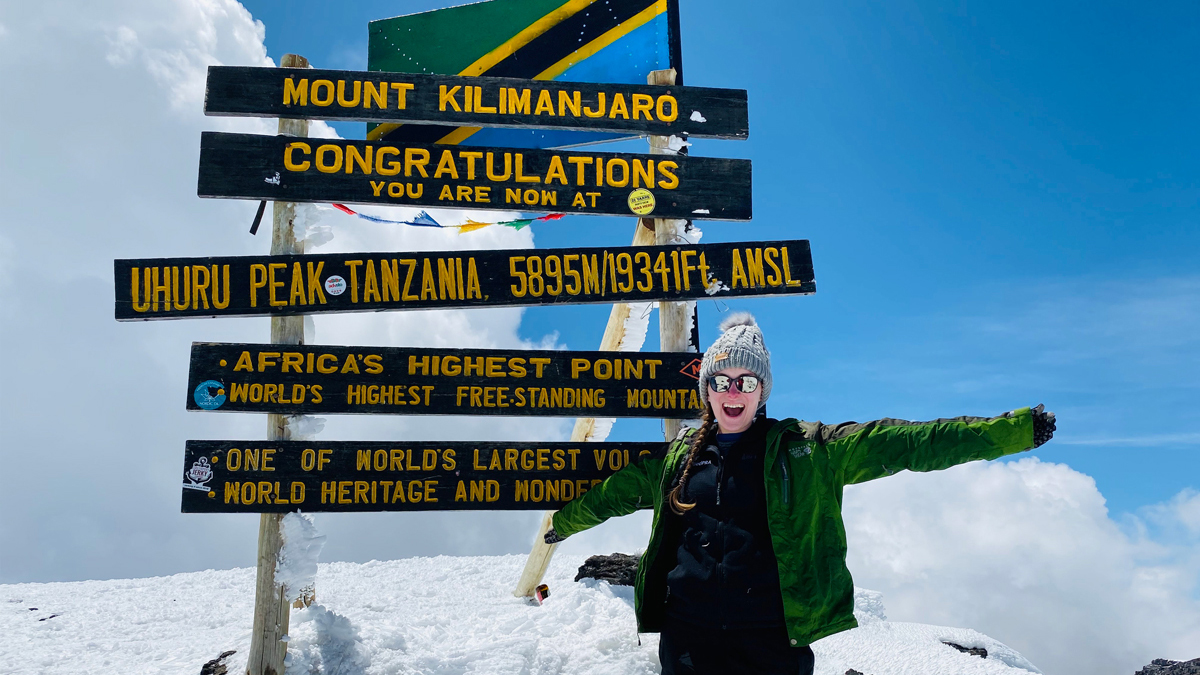
Climbing Mount Kilimanjaro, Africa’s highest peak at 5,895 meters (19,341 feet), is a life-changing adventure. One of the most crucial aspects of a successful climb is knowing where and how you will sleep along the journey. Unlike standard hotels or lodges, the sleeping arrangements on Kilimanjaro are unique and vary depending on the route, altitude, and type of experience you desire. This guide provides detailed insights into all sleeping options, from basic tents to luxury mountain huts, along with practical advice for acclimatization, comfort, and safety.
- Overview of Sleeping Options on Mount Kilimanjaro
The accommodations on Kilimanjaro can be categorized into three main types:
- Camping Tents
- Huts / Refuge Lodges
- Luxury Camps
Each option has its own benefits and considerations. The choice depends on your budget, comfort level, route, and personal preference.
- Camping on Mount Kilimanjaro
Camping is the most common sleeping arrangement for climbers on Kilimanjaro. Most trekking operators use high-quality expedition tents specifically designed for extreme conditions.
- a) Types of Tents
Standard Two-Person Tents: These tents are used for climbers and are windproof, waterproof, and equipped with thermal insulation. Typically, they measure about 2 x 2 meters, providing enough space for two people and their gear.
Dining/Group Tents: Climbers usually sleep in separate tents, but dining tents serve as communal areas for meals and briefings.
Toilet/Portable Tents: While most camps provide communal toilets (pit latrines or portable toilets), some high-end operators offer private portable tents.
- b) Tent Features
Four-Season Capability: Designed to withstand sub-zero temperatures and strong winds, especially above 4,000 meters.
Ground Insulation: Thick mats or foam pads are provided to insulate from cold ground.
Sleeping Bags: High-quality sleeping bags rated for temperatures as low as -15°C to -20°C are essential at higher altitudes.
- c) Camp Setup and Comfort
Camp staff will usually set up tents before climbers arrive, ensuring a smooth experience. Some campsites are situated near streams or small lakes for fresh water, while higher camps offer breathtaking views of glaciers, valleys, and surrounding peaks.
Popular Campsites by Route:
Marangu Route: Mandara Hut, Horombo Hut, Kibo Hut (hut stays but tent option possible)
Machame Route: Machame Camp, Shira Camp, Barranco Camp, Barafu Camp
Lemosho Route: Mti Mkubwa, Shira, Barranco, Barafu, Mweka Camps
- Hut Accommodations
The Marangu Route is unique because it offers hut accommodations rather than camping. These huts are stone-built or wooden dormitories with basic bedding.
- a) Hut Features
Dormitory-Style Rooms: Usually accommodate 6–12 climbers per room.
Mattresses and Blankets: Standard huts provide foam mattresses and blankets; sleeping bags are recommended for warmth.
Meals: Hut stays include meals prepared in communal dining areas.
Facilities: Basic toilets are available; showering is minimal or unavailable.
- b) Advantages of Hut Stays
Comfort: Offers a more stable and dry shelter compared to tents, especially during rainy seasons.
Less Gear: You can climb with lighter luggage as tents are not required.
Social Atmosphere: Huts foster camaraderie as climbers share spaces and dining areas.
- c) Disadvantages
Crowded: Huts can be crowded, especially during peak seasons (July–October, December–January).
Limited Privacy: Dormitory-style rooms offer little personal space.
Altitude Exposure: No heat insulation beyond basic bedding, so cold nights are still a challenge.
- Luxury and Glamping Options
For climbers seeking a premium experience, some tour operators offer luxury tented camps, sometimes referred to as glamping on Kilimanjaro.
- a) Features of Luxury Camps
- Spacious tents with proper beds, linen, and sometimes side tables
- High-quality sleeping bags and mats
- Private toilets and even hot water showers in some camps
- Gourmet meals served at elevated dining tents
- Wi-Fi or satellite communication in select high-end camps
- b) Recommended Operators
Luxury camps are mostly available on the Machame, Lemosho, and Rongai routes. While more expensive, they dramatically improve comfort and rest quality, which can help with altitude adaptation.
- Altitude Considerations for Sleeping
Sleeping arrangements on Kilimanjaro are designed to help climbers acclimatize safely. Altitude sickness can affect anyone, and sleeping accommodations play a key role in adaptation.
- a) Guidelines
Keep Warm: Temperatures can drop to -20°C near the summit; thermal sleeping bags and insulated mats are essential.
Hydration: Even in a tent, staying hydrated helps prevent altitude sickness.
Acclimatization Camps: Many routes have multiple nights at mid-altitude camps (3,500–4,000 meters) to allow your body to adjust.
Quiet Hours: Most camps enforce early lights-out policies to ensure climbers get sufficient rest.
- Toilet Facilities on Kilimanjaro
Sanitation varies depending on the accommodation type:
Camping Tents: Portable toilets or pit latrines at each camp. Some camps provide chemical toilets.
Huts: Basic shared toilets, sometimes located a short walk from sleeping quarters.
Luxury Camps: Private tents with toilet facilities and even composting toilets at high-end sites.
Tip: Always carry toilet paper, hand sanitizer, and a small trowel if you prefer outdoor options.
- Packing Essentials for Sleeping on Kilimanjaro
- To ensure comfort and safety, climbers should carry the following:
- Four-season sleeping bag
- Insulated sleeping mat or pad
- Thermal base layers
- Warm hat, gloves, and socks
- Headlamp for navigating camps at night
- Personal toiletries
- Earplugs (for huts or shared tents)
- Optional: A small pillow, hot water bottle, and personal snack supplies for energy during the night.
- Tips for a Good Night’s Sleep
Stay Dry: Moisture from rain or condensation can make nights extremely uncomfortable. Waterproof liners help.
Limit Alcohol and Caffeine: These can interfere with sleep and hydration at altitude.
Eat Light Before Bed: Heavy meals can disrupt sleep, while warm, light meals can aid digestion.
Adjust Sleep Schedule: Follow a routine to align with summit days and acclimatization stops.
Stay Calm: Altitude can cause restlessness; relaxation techniques like deep breathing help.
- Route-Specific Sleeping Considerations
- a) Marangu Route
Known as the “Coca-Cola Route” due to hut accommodations
Easier sleeping logistics; no tent setup required
Recommended for first-time climbers seeking comfort
- b) Machame Route
Popular for scenic diversity
Camping only, offering more flexibility but requires proper gear
High-altitude camps like Barafu Camp are extremely cold at night
- c) Lemosho Route
Remote and less crowded
Camping only, with well-staffed campsites
Luxury options available in some private itineraries
- d) Rongai Route
Approaches from the north
Camping mostly, fewer climbers, less noise
Quiet and peaceful sleeping environment
- Health & Safety Considerations
Sleeping arrangements are crucial for prevention of altitude sickness, frostbite, and hypothermia:
- Always sleep in insulated layers
- Use a sleeping bag liner for added warmth
- Avoid sleeping directly on the cold ground; mats are essential
- Drink water regularly, even at night
- Summary
Choosing the right sleeping accommodation on Mount Kilimanjaro can significantly affect your climbing experience. Whether you prefer the communal hut experience on the Marangu Route, traditional camping tents with all the comforts, or luxury glamping under the stars, being prepared is key. Pay attention to altitude adaptation, packing essentials, and camp hygiene to ensure a safe and memorable summit adventure.
Remember, a good night’s sleep is not just about comfort—it’s a crucial part of reaching the roof of Africa safely.