
Kilimanjaro Routes Reviews: Choose the Best Path to Africa’s Roof
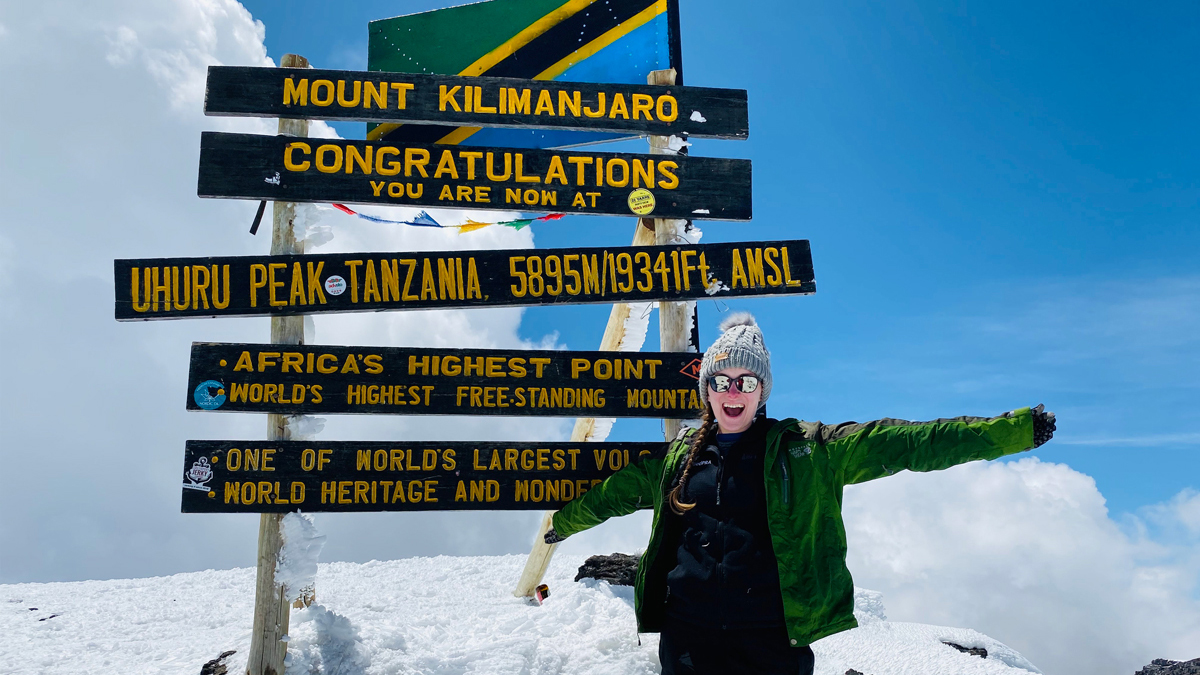
Climbing Mount Kilimanjaro, Africa’s highest peak at 5,895 meters (19,341 feet), is a dream adventure for trekkers worldwide. Selecting the right route is critical to your success, safety, and overall experience. Each route offers unique scenery, challenges, and opportunities for acclimatization. In this comprehensive Kilimanjaro routes review, we explore the main trails—Marangu, Machame, Lemosho, Shira, Rongai, and Umbwe—highlighting what makes each one special and helping you choose the route that best fits your style of climbing.
- Marangu Route: The Classic “Coca-Cola” Trail
The Marangu Route is the oldest and most established path to Kilimanjaro’s summit. Known as the “Coca-Cola Route,” it’s popular for those seeking a relatively straightforward climb with hut accommodations.
Route Overview:
Duration: 5–6 days
Distance: 64 km round trip
Difficulty: Moderate
Accommodation: Huts
Highlights:
- Gradual ascent with fewer steep inclines
- Comfortable hut lodges with beds, reducing the need for tents
- Scenic views of rainforests and alpine meadows
Pros:
- Well-marked and historically significant
- Suitable for first-time climbers
- Hut-based accommodation provides comfort
Cons:
- Less flexible; camping isn’t an option
- Shorter duration may reduce acclimatization, increasing risk of altitude sickness
- Crowded, especially during peak season
Ideal For: First-time climbers who prefer structured accommodations and less challenging terrain.
- Machame Route: “Whiskey Route” Adventure
The Machame Route, also known as the “Whiskey Route,” is famous for its stunning scenery and challenging trails. It is highly recommended for those who want a more immersive climbing experience.
Route Overview:
Duration: 6–7 days
Distance: 62 km round trip
Difficulty: Challenging
Accommodation: Camping
Highlights:
- Breathtaking landscapes, from rainforest to moorland and alpine desert
- Multiple viewpoints for spectacular photography
- Longer trek enhances acclimatization
Pros:
- High success rate for summit attempts due to better acclimatization
- Diverse scenery keeps the trek exciting
- Camp-based, allowing for a more traditional climbing experience
Cons:
- More physically demanding than Marangu
- Requires camping gear and more preparation
- Higher cost compared to Marangu due to logistics
Ideal For: Adventurous climbers who enjoy camping, photography, and longer treks with better acclimatization.
- Lemosho Route: The Scenic and Remote Choice
Lemosho Route is a favorite for climbers seeking a quieter, scenic journey. Its extended trail allows for optimal acclimatization, increasing summit success rates.
Route Overview:
Duration: 7–8 days
Distance: 70 km round trip
Difficulty: Moderate to challenging
Accommodation: Camping
Highlights:
- Remote and less crowded
- Stunning vistas of Shira Plateau and Lava Tower
- Offers some of the best photography opportunities on the mountain
Pros:
- High success rate due to gradual ascent
- Beautiful, less trafficked route
- Great wildlife spotting in lower forests
Cons:
- Longer duration may not suit climbers on tight schedules
- Camping logistics and gear are required
- More expensive than Marangu or Rongai
Ideal For: Experienced hikers or those seeking a scenic, less crowded climb with higher chances of summiting.
- Shira Route: High Plateau Exploration
Shira Route is similar to Lemosho but starts from the west side of Kilimanjaro’s Shira Plateau. It is ideal for climbers who want extra days for acclimatization and a serene trekking experience.
Route Overview:
Duration: 7–8 days
Distance: 70 km round trip
Difficulty: Moderate to challenging
Accommodation: Camping
Highlights:
- High-altitude plateau offers dramatic vistas
- Less crowded than Machame or Marangu
- Opportunity to explore volcanic formations
Pros:
- Excellent for acclimatization due to slower pace
- Scenic and peaceful
- Flexible itinerary
Cons:
- Requires camping equipment
- Fewer facilities and services compared to Marangu
Ideal For: Climbers who want to explore Kilimanjaro’s high plateau while maximizing summit success chances.
- Rongai Route: The Northern Alternative
Rongai Route is the only route that approaches Kilimanjaro from the north, near the Kenya border. It is known for being drier and less crowded.
Route Overview:
Duration: 6–7 days
Distance: 60 km round trip
Difficulty: Moderate
Accommodation: Camping
Highlights:
- Less rainfall compared to southern routes
- Offers unique northern perspectives of the summit
- Gradual ascent increases acclimatization success
Pros:
- Less crowded, peaceful trekking experience
- Good for dry-season climbs
- Suitable for moderate-level climbers
Cons:
- Fewer scenic landmarks than Lemosho or Machame
- Limited cultural experiences along the route
Ideal For: Climbers seeking a quieter, northern approach with moderate difficulty.
- Umbwe Route: For the Experienced and Adventurous
Umbwe Route is the steepest and most direct path to the summit. It’s often recommended for fit and experienced climbers who want a challenging, less crowded adventure.
Route Overview:
Duration: 5–6 days
Distance: 50 km round trip
Difficulty: Very challenging
Accommodation: Camping
Highlights:
- Dramatic rainforest and steep ascents
- Shortest route with the most physically demanding trek
- Fewer climbers, providing solitude
Pros:
- Ideal for experienced climbers seeking a challenge
- Less crowded trail
- Offers a sense of true adventure
Cons:
- High difficulty and rapid ascent can increase altitude sickness risk
- Limited facilities
- Not recommended for beginners
Ideal For: Seasoned trekkers looking for a physically demanding, adventurous climb with minimal crowds.
Comparing Kilimanjaro Routes
Route
Duration
Difficulty
Accommodation
Highlights
Summit Success
Crowd Level
Marangu
5–6 days
Moderate
Huts
Classic views, comfort
Moderate
High
Machame
6–7 days
Challenging
Camping
Scenic, diverse
High
Medium
Lemosho
7–8 days
Moderate/Challenging
Camping
Remote, scenic
Very High
Low
Shira
7–8 days
Moderate/Challenging
Camping
Plateau exploration
Very High
Low
Rongai
6–7 days
Moderate
Camping
Northern perspective
High
Low
Umbwe
5–6 days
Very Challenging
Camping
Steep, adventurous
Moderate
Very Low
Tips for Choosing Your Route
Consider your fitness and experience: Steeper routes like Umbwe are for experienced climbers, while Marangu is suitable for beginners.
Time availability: Longer routes improve acclimatization and summit success.
Desired experience: Hut vs. camping, crowded vs. remote, cultural exposure vs. pure adventure.
Season and weather: Rongai is drier in the rainy season; southern routes may offer more dramatic scenery.
Acclimatization matters: Routes like Lemosho, Machame, and Shira provide gradual ascent to reduce altitude sickness risk.
FAQs About Kilimanjaro Routes
Q: Which route has the highest summit success?
A: Lemosho and Shira routes have the highest success rates due to slower ascent and better acclimatization.
Q: Are huts available on all routes?
A: Only Marangu has huts. All other routes require camping.
Q: Which route is least crowded?
A: Umbwe, Lemosho, and Shira are generally less crowded than Machame and Marangu.
Q: Can beginners attempt Kilimanjaro?
A: Yes, Marangu and Rongai are suitable for beginners, though all climbs require basic fitness and preparation.
Conclusion
Choosing the right Kilimanjaro route is more than just picking a trail—it’s selecting your adventure. From the comfort of Marangu huts to the scenic and remote Lemosho journey, and the adrenaline-filled challenge of Umbwe, each route offers something unique. Consider your fitness level, desired experience, and summit goals to make the climb of a lifetime.
No matter the path, reaching the summit of Mount Kilimanjaro is a transformative experience, a journey through diverse ecosystems, and a test of both endurance and spirit. With careful planning and the right route, your Kilimanjaro adventure can be unforgettable.