
K2 vs Kilimanjaro – The Ultimate Mountain Comparison Guide for Adventurers
When comparing K2 vs Kilimanjaro, you are not simply choosing between two mountains—you are choosing between two completely different mountaineering experiences. One represents the ultimate test of elite technical climbing, while the other is the world’s most famous high-altitude trekking summit accessible to determined adventurers without prior climbing experience.
In this comprehensive guide, we break down the key differences between K2 and Mount Kilimanjaro, covering altitude, difficulty, routes, safety, cost, training, success rates, and which mountain is right for you.
Whether you are an experienced alpinist dreaming of the Karakoram or a trekker planning your first major summit in Tanzania, this detailed comparison will help you make an informed decision.
- Basic Facts: K2 vs Kilimanjaro at a Glance
Feature
- K2
- Kilimanjaro
Elevation
- 8,611 meters (28,251 ft)
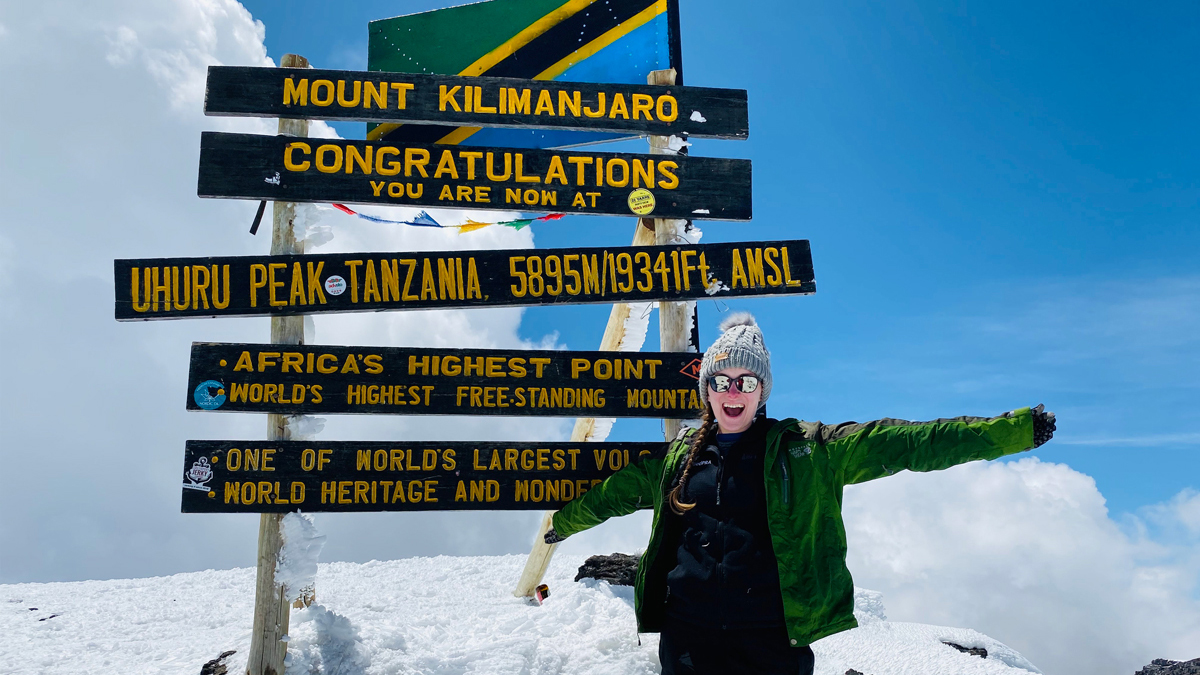
- 5,895 meters (19,341 ft)
Location
- Pakistan/China Border
- Tanzania
Mountain Range
- Karakoram
- East African Rift
Global Ranking
- 2nd Highest Mountain
- Highest in Africa
Technical Skills Required
- Yes
- No
Summit Success Rate
- Very Low
- 65–85% (route dependent)
Best For
- Elite mountaineers
- Fit trekkers & adventure travelers
- Elevation & Altitude Comparison
K2: The Savage Mountain
At 8,611 meters, K2 is the second-highest mountain on Earth after Mount Everest. However, many mountaineers consider it far more dangerous and technically demanding than Everest. It lies deep in the Karakoram Range and is known for extreme weather, steep faces, avalanche-prone slopes, and technical ice climbing.
Climbing above 8,000 meters places you in the “Death Zone,” where oxygen levels are insufficient to sustain human life for long periods. Every step requires careful planning, oxygen management, and expert guiding.
Kilimanjaro: The Roof of Africa
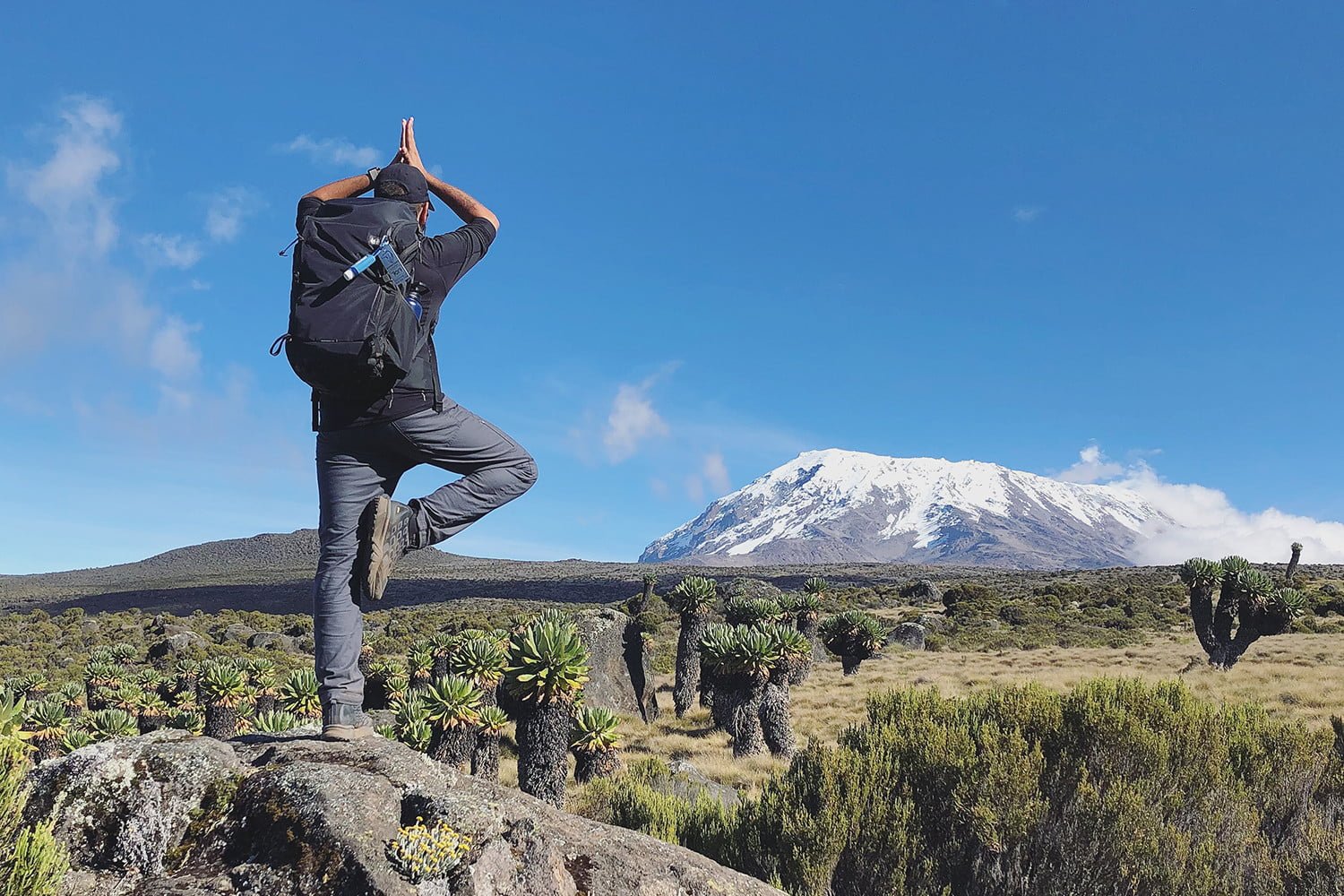
Mount Kilimanjaro stands at 5,895 meters, making it the highest free-standing mountain in the world. Unlike K2, Kilimanjaro is a non-technical trekking peak. No ropes, crampons, or technical climbing skills are required on standard routes.
However, altitude sickness remains a serious concern. Despite being a trekking mountain, nearly 35% of climbers fail to reach the summit due to poor acclimatization or insufficient preparation.
- Technical Difficulty
K2 Difficulty Level
K2 is classified as one of the most difficult and dangerous mountains in the world. Climbers face:
Technical rock and ice climbing
Steep slopes up to 60 degrees
Avalanche risks
- Falling seracs
- Sudden storms
- The infamous Bottleneck section
Only experienced high-altitude mountaineers with multiple 7,000m peaks under their belt attempt K2. Even among elite climbers, summit success rates are low.
Kilimanjaro Difficulty Level
Kilimanjaro is a high-altitude trek. It requires:
- Strong cardiovascular fitness
- Mental resilience
- Multi-day hiking endurance
- Acclimatization strategy
Routes such as Machame, Lemosho, and Northern Circuit provide gradual ascent profiles, increasing summit success rates.
It is physically demanding but not technically complex.
- Routes Comparison
K2 Routes
The most common route is the Abruzzi Spur. Other routes include:
Cesen Route
Polish Route
Magic Line (extremely technical)
Each route involves fixed ropes, glacier travel, crevasse crossings, and high-altitude camps above 7,000 meters.
Kilimanjaro Routes
Popular trekking routes include:
- Machame Route
- Lemosho Route
- Marangu Route
- Northern Circuit
- Rongai Route
Each route varies in scenery, acclimatization time, and success rates. Longer routes (7–9 days) dramatically improve summit chances.
- Safety & Risk
K2 Fatality Rate
Historically, K2 has had one of the highest fatality-to-summit ratios among 8,000-meter peaks. Risks include:
- Avalanches
- Icefall collapse
- Extreme cold (-40°C)
- Storms with hurricane-force winds
- Frostbite
- Altitude sickness in the Death Zone
- Rescue operations are extremely limited due to the remote location.
Kilimanjaro Safety
Kilimanjaro is significantly safer. Risks include:
- Acute Mountain Sickness (AMS)
- Hypothermia
- Dehydration
- Exhaustion
Guided climbs with reputable operators maintain high safety standards, oxygen monitoring, and evacuation procedures.
- Cost Comparison
K2 Expedition Cost
Climbing K2 can cost between $40,000 to $100,000+ depending on logistics, permits, Sherpa support, and oxygen supplies.
Costs include:
- International expedition team
- Permit fees
- High-altitude porters
- Oxygen cylinders
- Helicopter evacuation insurance
- It is a full-scale expedition lasting 60+ days.
Kilimanjaro Climb Cost
Climbing Kilimanjaro typically costs between $1,800 to $4,500 depending on route length, service level, and group size.
Costs include:
- Park fees
- Licensed guide
- Porters
- Meals and camping
- Transfers
- Most climbs take 6–9 days.
- Weather Conditions
K2 Weather
K2 is known for unpredictable and violent weather. Even during climbing season (June–August), storms can appear without warning. Temperatures drop below -30°C regularly.
Kilimanjaro Weather
Kilimanjaro has two main climbing seasons:
- January to March
- June to October
Temperatures vary by zone—from tropical rainforest at the base to Arctic conditions at the summit.
- Training Requirements
For K2
Years of mountaineering experience
- Ice climbing skills
- 7,000m peak experience
- Glacier rescue training
- Advanced rope systems
- High-altitude adaptation
For Kilimanjaro
2–3 months of cardiovascular training
- Long weekend hikes
- Strength training
- Stair climbing
- Altitude preparation if possible
- Scenery & Experience
K2 Experience
Remote, raw, and extreme. The Karakoram offers dramatic granite towers, glaciers, and wild landscapes rarely visited by humans. It is a true expedition environment.
Kilimanjaro Experience
Kilimanjaro offers:
- Rainforest
- Moorland
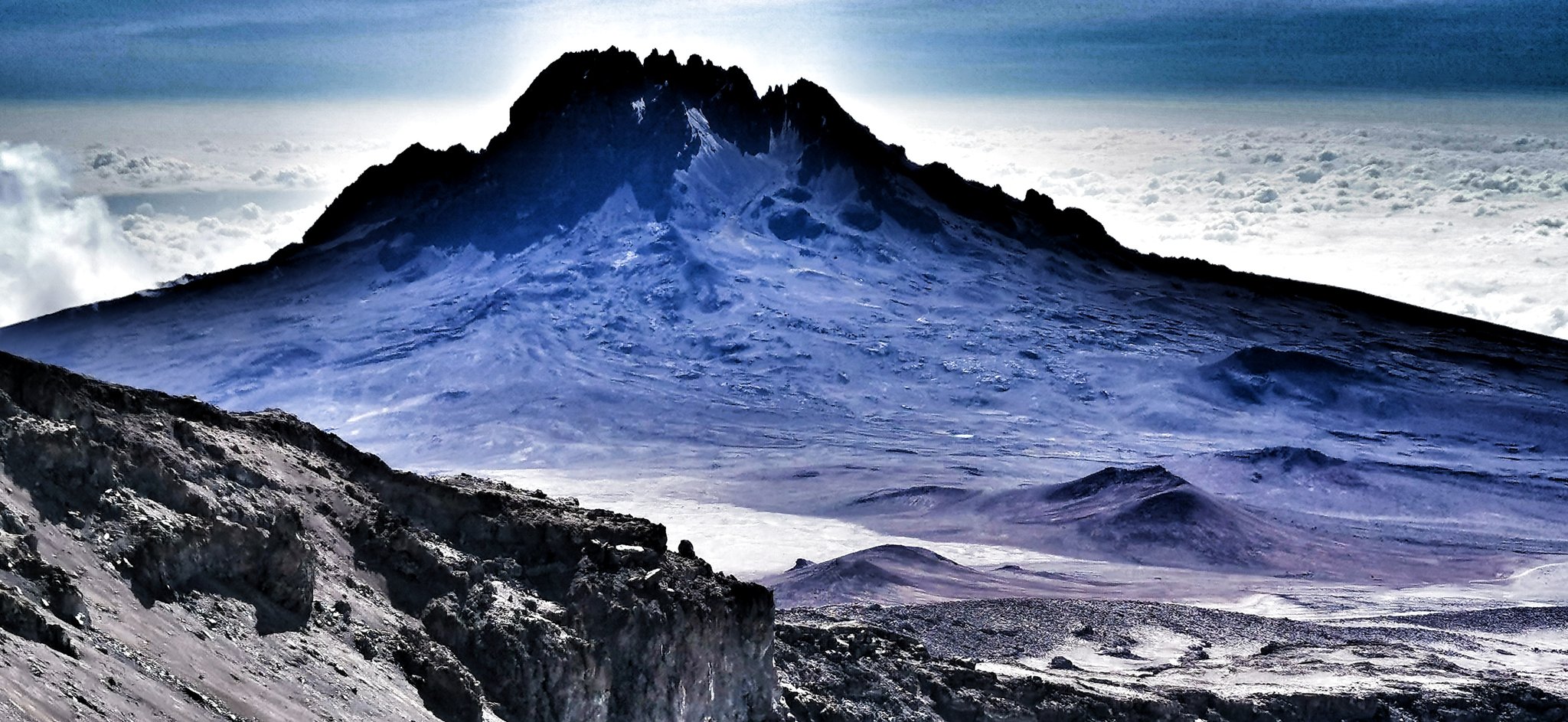
- Alpine desert
- Glaciers at Uhuru Peak
- Cultural interaction with Chagga communities
- It is both a physical and cultural journey.
- Who Should Choose K2?
Choose K2 if:
- You are an elite climber
- You have 8,000m aspirations
- You accept extreme risk
- You have significant expedition budget
- You have prior Himalayan experience
- Who Should Choose Kilimanjaro?
Choose Kilimanjaro if:
- You want your first high-altitude summit
- You are fit but not a technical climber
- You want a bucket-list African adventure
- You have limited time (1–2 weeks)
- You want a guided trekking experience
- Success Rate Comparison
K2: Historically below 30% depending on season
Kilimanjaro: 65–85% depending on route and acclimatization days
Longer Kilimanjaro itineraries dramatically increase summit success.
- Cultural & Geographic Setting
K2 lies within the Karakoram Range near the Pakistan-China border, in one of the most remote mountain regions on Earth.
Kilimanjaro lies within Kilimanjaro National Park in Tanzania and is accessible via Kilimanjaro International Airport near Moshi.
- Final Verdict: K2 vs Kilimanjaro
K2 is a mountaineering expedition designed for world-class climbers willing to face extreme technical challenges and serious danger.
Kilimanjaro is a life-changing trekking experience that pushes physical and mental boundaries without requiring technical climbing skills.
Both mountains command respect—but they serve very different types of adventurers.
If your goal is to experience high altitude, African landscapes, and the thrill of standing on the continent’s highest peak, Kilimanjaro is the more achievable and rewarding choice.
If your goal is to test yourself against one of the most difficult mountains on Earth, K2 represents the pinnacle of alpinism.
Frequently Asked Questions (FAQs)
Is K2 harder than Kilimanjaro?
Yes. K2 is one of the most technically difficult mountains in the world. Kilimanjaro is a high-altitude trek.
Can a beginner climb K2?
No. K2 requires advanced mountaineering experience.
Can a beginner climb Kilimanjaro?
Yes, with proper training and acclimatization.
Which mountain is more dangerous?
K2 is significantly more dangerous due to technical difficulty and extreme conditions.
How long does each climb take?
K2: 6–9 weeks expedition.
Kilimanjaro: 6–9 days trek.