
Mount Kilimanjaro Climb Cost & Itinerary Guide 2026 / 2027 / 2028
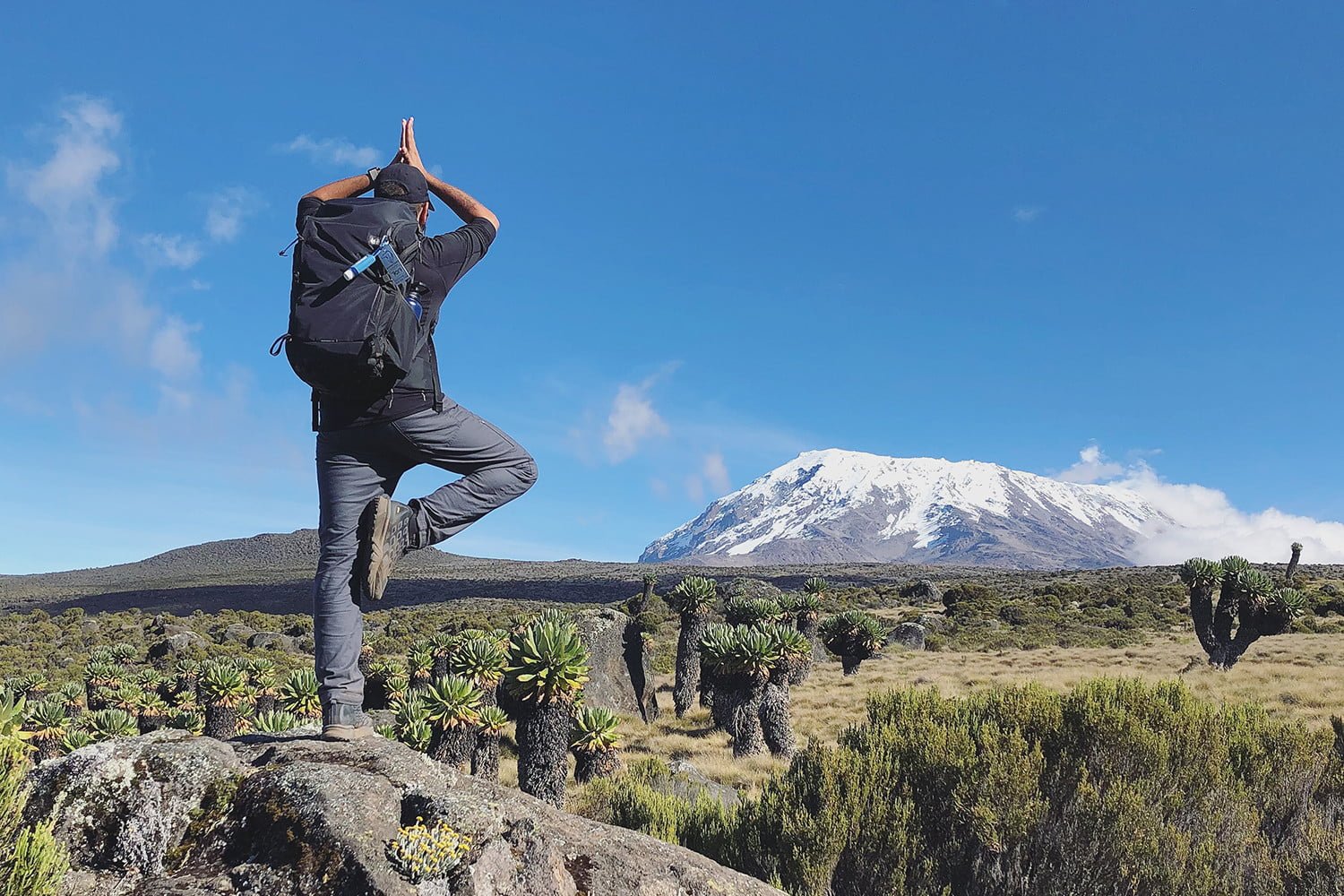
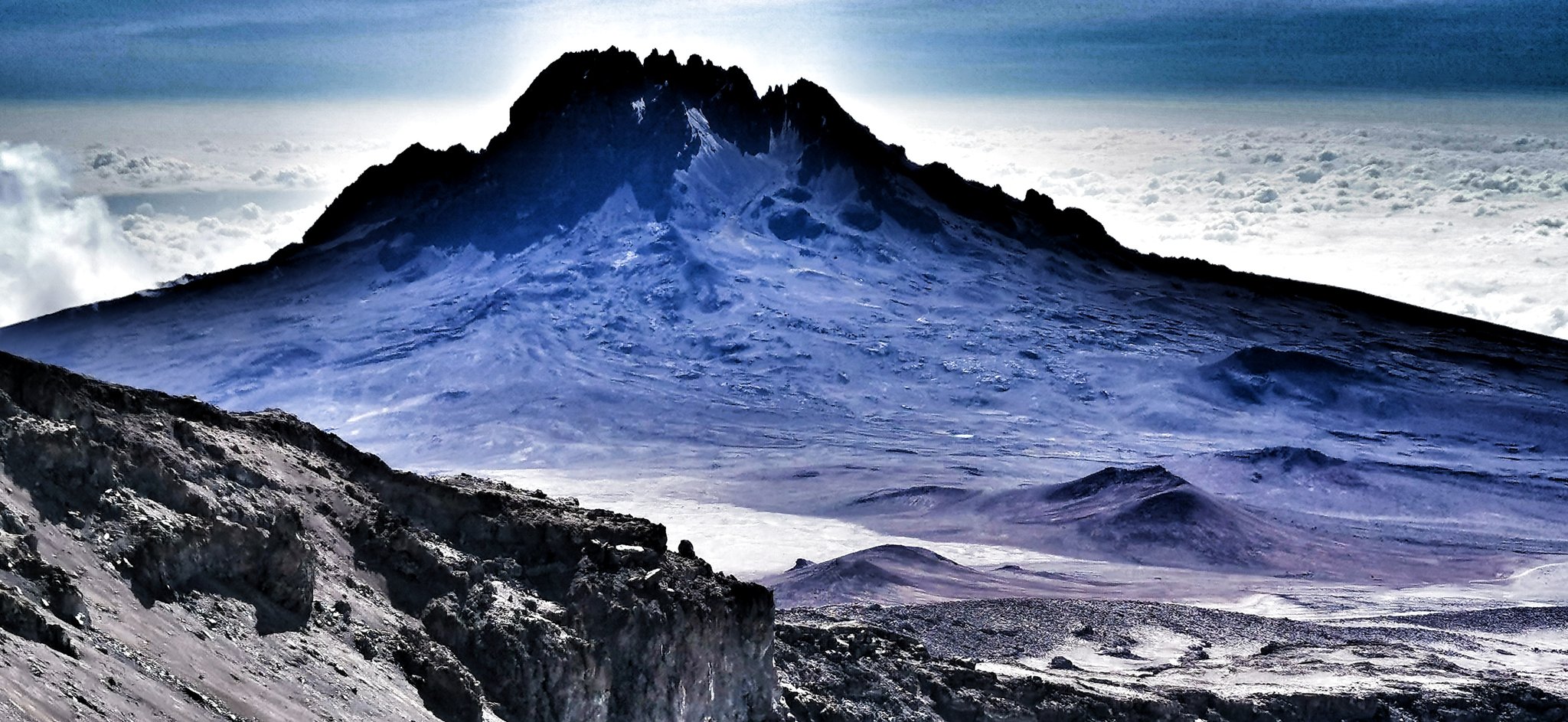
Climbing Mount Kilimanjaro (5,895m / 19,341ft) is one of the world’s most iconic adventure experiences. Known as the Roof of Africa, Kilimanjaro is the highest free-standing mountain on Earth and attracts thousands of climbers every year. If you are planning your Kilimanjaro climb in 2026, 2027, or 2028, this complete guide will help you understand the costs, routes, itineraries, best time to climb, and how to prepare for a successful summit.
Whether you are a beginner trekker, experienced hiker, solo traveler, or group organizer, this detailed Kilimanjaro climbing guide covers everything you need to know before booking your adventure.
How Much Does It Cost to Climb Kilimanjaro in 2026 / 2027 / 2028?
The cost to climb Mount Kilimanjaro depends on several factors including route selection, number of days, group size, service level, and season. For 2026–2028, the average Kilimanjaro climb cost ranges between:
Budget climb: $1,800 – $2,500 per person
Mid-range climb: $2,500 – $3,800 per person
Luxury climb: $3,800 – $6,500+ per person
Prices may increase slightly each year due to Tanzania National Park (TANAPA) fee adjustments, crew wages, and operational costs.
What Is Included in the Kilimanjaro Climb Cost?
A reputable Kilimanjaro tour package typically includes:
Kilimanjaro National Park entry fees
Camping or hut fees
Rescue fees
Professional English-speaking mountain guides
Assistant guides, cooks, and porters
All meals on the mountain
Tents and sleeping mattresses
Dining tent and camping equipment
Drinking water during the trek
Transfers from Moshi or Arusha to the gate
Government taxes and VAT
What Is Not Included?
International and domestic flights
Tanzania visa fees
Travel insurance (mandatory with high altitude coverage)
Tips for guides and porters (recommended $250–$400 per climber)
Personal trekking gear
Hotel accommodation before and after the climb (unless stated)
Kilimanjaro Route Options & Costs
Choosing the best Kilimanjaro route is important for success rate, scenery, and overall experience.
1. Machame Route (6–8 Days)
Known as the “Whiskey Route,” Machame is the most popular route due to its scenic beauty and excellent acclimatization profile.
Duration: 6–8 days
Success rate: High (especially 7–8 days)
Cost: $2,200 – $3,800
Best for: Adventurous trekkers who want dramatic landscapes and strong summit success chances.
2. Lemosho Route (7–9 Days)
The Lemosho Route is considered one of the best routes for acclimatization and panoramic views.
Duration: 7–9 days
Success rate: Very high
Cost: $2,700 – $4,500
Best for: Climbers seeking higher success rate, less crowding at the start, and beautiful scenery.
3. Marangu Route (5–6 Days)
The only route with hut accommodation instead of tents.
Duration: 5–6 days
Success rate: Moderate
Cost: $1,800 – $2,800
Best for: Budget climbers and those preferring hut accommodation.
4. Rongai Route (6–7 Days)
Approaches from the northern side near Kenya border.
Duration: 6–7 days
Cost: $2,000 – $3,200
Best for: Dry conditions during rainy season.
5. Northern Circuit Route (9–10 Days)
The longest and most scenic route with 360-degree views.
Duration: 9–10 days
Success rate: Very high
Cost: $3,500 – $6,500
Best for: Maximum acclimatization and highest summit success.
Sample Kilimanjaro
Itinerary – 8 Days Lemosho Route
Day 1: Arrival in Moshi / Arusha
Airport pickup and hotel briefing.
Day 2: Lemosho Gate to Mti Mkubwa Camp
Rainforest trekking, 5–6 hours.
Day 3: Mti Mkubwa to Shira Camp
Transition to moorland zone.
Day 4: Shira Camp to Barranco Camp via Lava Tower
Acclimatization day.
Day 5: Barranco Camp to Karanga Camp
Barranco Wall climb.
Day 6: Karanga to Barafu Camp
Preparation for summit night.
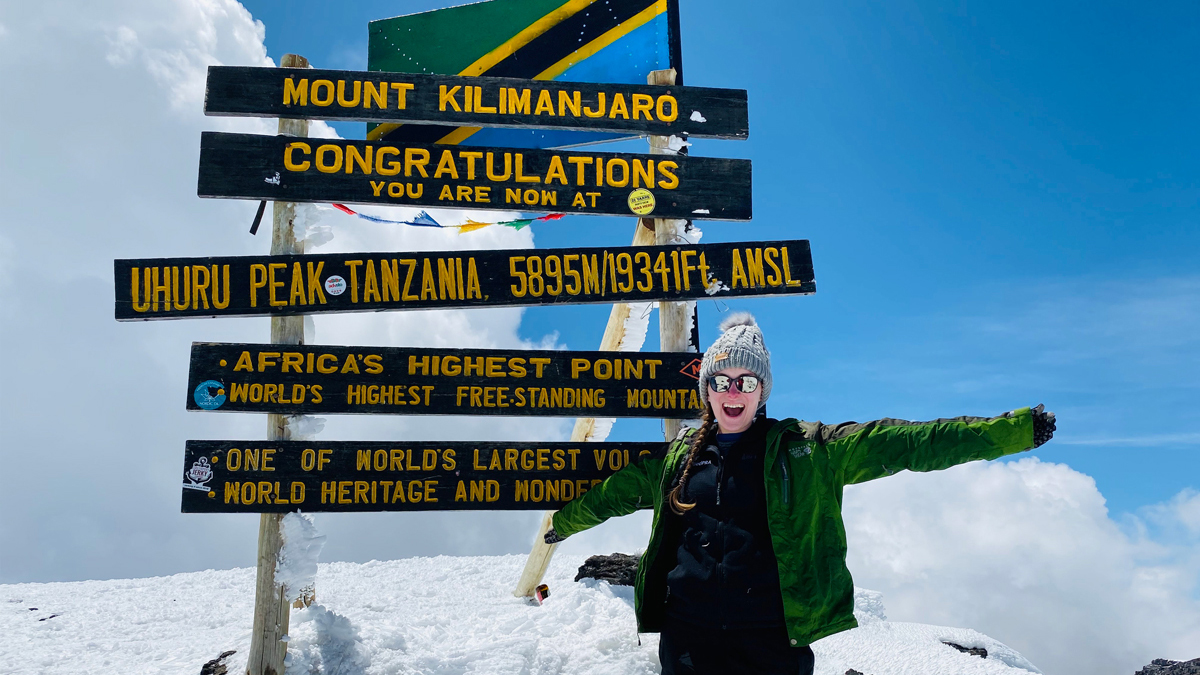
Day 7: Summit Day – Uhuru Peak (5,895m)
Midnight start, reach summit at sunrise, descend to Mweka Camp.
Day 8: Mweka Camp to Mweka Gate
Receive summit certificates.
Best Time to Climb Kilimanjaro (2026–2028)
The best months to climb are:
January to March – Cooler, less crowded
June to October – Dry season, most popular
December – Short dry season
Avoid heavy rains in April–May and November if possible.
Physical Preparation for Kilimanjaro
Climbing Kilimanjaro does not require technical climbing skills, but good fitness is essential.
Training tips:
Cardio workouts 3–4 times per week
Long hikes with elevation gain
Strength training for legs
Practice hiking with backpack
The key to success is slow pace (“pole pole”) and proper acclimatization.
Essential Packing List
Waterproof hiking boots
Down jacket
Thermal base layers
Rain jacket and pants
Warm gloves and hat
Headlamp
Sleeping bag (-10°C rating recommended)
Trekking poles
Gear rental is available in Moshi and Arusha.
Safety & Altitude on Kilimanjaro
Altitude sickness is the main challenge. Symptoms include headache, nausea, and fatigue. Professional guides monitor oxygen levels daily.
To reduce risks:
Choose longer routes (7+ days)
Stay hydrated
Walk slowly
Inform guide immediately if feeling unwell
Why Choose a Professional Kilimanjaro Operator?
A licensed and ethical Kilimanjaro company ensures:
Fair porter wages
Quality equipment
Emergency procedures
High summit success rates
Safe and enjoyable experience
Cheap operators often compromise on safety and crew welfare.
Add Safari or Zanzibar After Your Climb
Many climbers combine Kilimanjaro with:
Serengeti Safari
Ngorongoro Crater tour
Tarangire National Park
Zanzibar beach holiday
This makes your Tanzania trip complete.
Frequently Asked Questions
How long does it take to climb Kilimanjaro?
Between 5 and 10 days depending on route.
What is the success rate?
Longer routes have 85–95% summit success.
Do I need previous climbing experience?
No technical skills required, but good fitness helps.
Is tipping mandatory?
Tipping is customary and highly recommended.
Final Thoughts: Plan Your Kilimanjaro Climb 2026–2028 Today
Climbing Mount Kilimanjaro is a life-changing experience. With proper preparation, the right route, and a professional team, reaching Uhuru Peak is achievable for most determined trekkers.
If you are planning your Kilimanjaro adventure in 2026, 2027, or 2028, start preparing early, choose a reputable operator, and secure your preferred dates in advance—especially for peak season.
The Roof of Africa is waiting for you. 🌍🏔️